Animal Regeneration

Chandan Singh
| 24-12-2025
 · Animal team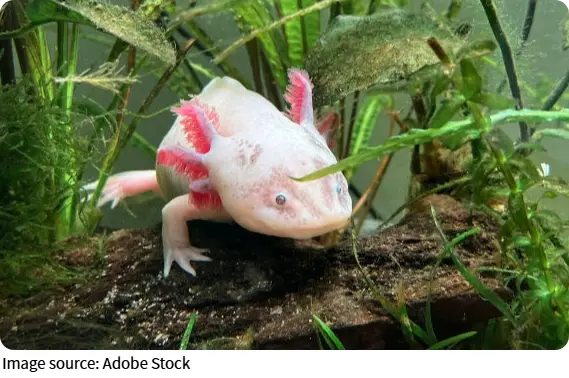
When you cut your finger, it takes a few days for your skin to heal. But imagine if you could regrow an entire limb! For some animals, this isn't just a fantasy—it's a reality.
Regeneration in the animal kingdom is not only amazing but also incredibly diverse.
Some creatures can regrow parts of their bodies when they're damaged, and others can regenerate entire tissues or even their whole bodies. How do they do it? Let's explore the wonder of regeneration in animals.
What is Regeneration?
Regeneration is the process through which an organism regrows lost or damaged body parts. It's like having a built-in repair system that kicks into gear when something goes wrong. While humans can heal from cuts and bruises, we can't regrow an entire arm or leg. However, many animals have this impressive ability.
The mechanism behind regeneration is complex, involving special cells that can transform into whatever is needed, like muscle or nerve tissue. These cells, called stem cells, are crucial for the regenerative process. They are capable of dividing and becoming different types of cells, allowing the animal to rebuild what it lost.
Animals with Extraordinary Regenerative Abilities
Some animals have mastered the art of regeneration, and their capabilities are nothing short of extraordinary. Here are a few remarkable examples:
Axolotls
These unique amphibians are capable of regenerating not just limbs but also their heart, spinal cord, and even parts of their brain. Their ability to heal without scars makes them a model of interest for scientists studying tissue regeneration. Researchers believe that axolotls might hold the key to unlocking similar regenerative powers in humans.
Starfish
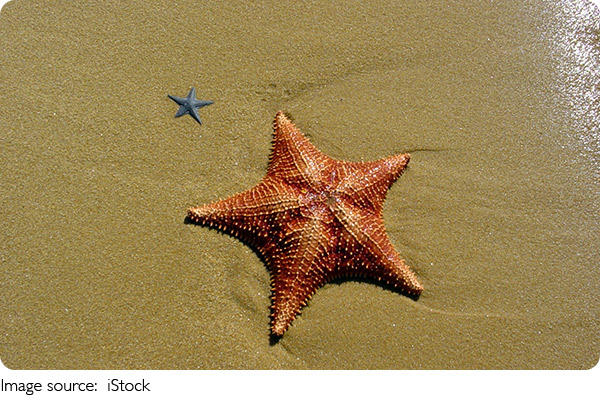
If a starfish loses an arm, it doesn't just have to live with the loss—it can grow it back! In some cases, a starfish can regenerate an entire body from just one of its arms. This ability is thanks to specialized cells that can transform into new tissue. What's even more fascinating is that the regeneration process begins almost immediately after the arm is lost.
Planarians (Flatworms)
Planarians are often called the “ultimate regenerators.” These tiny worms can regenerate entire bodies from just a small fragment of their tissue. If you cut a planarian in half, both halves will regenerate into two complete, fully functioning worms. They have one of the fastest and most efficient regenerative abilities in the animal kingdom.
Salamanders
Like axolotls, some species of salamanders can regenerate limbs, eyes, and even parts of their heart and liver. These creatures have been studied for their incredible healing abilities, which happen at a much faster rate than in humans. Unlike mammals, salamanders can activate the regenerative process without any major complications.
Why Can Some Animals Regenerate and Others Can't?
The ability to regenerate is not equally distributed across the animal kingdom. Some species have evolved this ability to cope with environmental threats, like predators or injury. But what's even more intriguing is that regeneration capabilities vary between different species.
Genetic Factors
In animals that can regenerate, special genes are at play. These genes help produce the proteins that facilitate the growth of new tissues. However, in most animals (including humans), these regenerative pathways are either inactive or very limited after development. This suggests that the genes responsible for regeneration are turned off or restricted once an organism reaches maturity.
Evolutionary Trade-Offs
Regenerating body parts can take a lot of energy. Animals that are highly regenerative may devote more resources to healing and less to reproduction or other functions. This means that the ability to regenerate might have evolved in specific environmental contexts where healing was more beneficial than other biological functions.
What Can We Learn from Animal Regeneration?
Understanding animal regeneration is more than just an academic pursuit—it could lead to groundbreaking advances in medicine. If scientists can decode how creatures like axolotls and salamanders regenerate, they might one day find ways to apply these principles to human healing. For example:
• Tissue Engineering
By studying how animals regenerate, researchers are working on creating artificial tissues. The hope is that one day we might be able to grow tissues that could replace damaged structures in humans.
• Wound Healing
Some regenerative species can heal without leaving scars. If scientists can understand how they do this, it could lead to improved treatments for human wounds, burns, and other injuries.
• Spinal Cord Regeneration
Certain animals, like the axolotl, can regenerate their spinal cords. Understanding this ability could have profound implications for treating spinal cord injuries in humans, potentially restoring mobility to people who are paralyzed.
The Future of Regeneration Research
While we're far from regenerating full tissues or limbs like some animals, the future of regeneration research looks promising. Scientists are making strides in understanding how regeneration works at a cellular level. The discovery of genes, proteins, and stem cells involved in regeneration may one day lead to therapies that can repair or replace damaged tissues and tissues in humans.
Just imagine a world where the body can heal from injuries that would normally be permanent—this is the power that the ability to regenerate holds, and the animals leading the way may just hold the answers to our most profound medical challenges.