Great Barrier Reef Creatures

Caroll Alvarado
| 23-12-2025
 · Animal team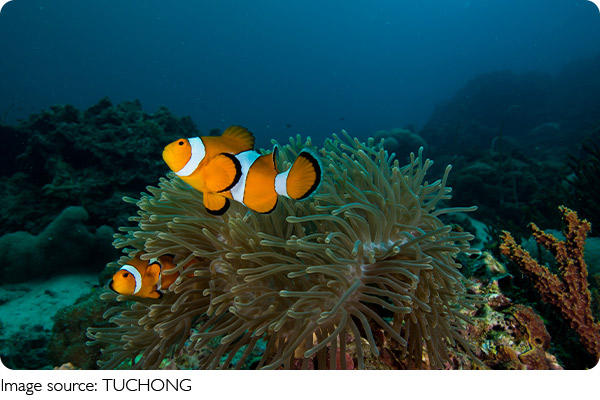
Have you ever wondered what it would be like to dive into the ocean and witness a world teeming with color and life?
Imagine swimming alongside schools of fish, massive sea turtles gliding gracefully, and vibrant corals that look like something out of a dream. This magical place exists, and it's called the Great Barrier Reef.
Stretching over 2,300 kilometers off the coast of Australia, it's the largest living structure on Earth. But what really makes it special? Let's explore the fascinating marine life that calls the Great Barrier Reef home.
A Living Ecosystem
The Great Barrier Reef is not just a collection of coral and fish—it's a dynamic, interconnected ecosystem that supports thousands of species, many of which cannot be found anywhere else on Earth. It's home to over 1,500 species of fish, 411 types of coral, and thousands of other marine animals, ranging from tiny seahorses to the majestic humpback whale.
1. Coral Reefs: At the heart of the reef's biodiversity are its corals. These tiny, soft-bodied organisms form massive colonies, creating the structure that gives the reef its signature appearance. Corals are the foundation of the entire reef system, providing shelter, food, and protection for countless other species.
2. Fish and Marine Life: The reef is a haven for fish. You'll find parrotfish, clownfish, surgeonfish, and even large predators like groupers and sharks. Each species has its niche—some clean parasites off other fish, while others play a role in pollination or help the corals thrive.
3. Marine Mammals and Reptiles: Sea turtles, dugongs (a type of sea cow), and dolphins are just a few of the larger creatures that roam these waters. Some, like the green sea turtle, visit the reef to lay their eggs, while others—like the humpback whale—use the reef as part of their migration route.
Colorful Corals: Nature's Underwater Gardens
One of the most stunning features of the Great Barrier Reef is the corals themselves. These colorful underwater gardens are more than just visually striking—they play a critical role in maintaining the health of the entire ecosystem.
1. Coral Growth and Diversity: Corals grow in massive colonies, each made up of millions of tiny polyps. These polyps secrete calcium carbonate to form the hard skeletons that create the reef's structure. Coral reefs support an incredible diversity of marine species, offering them a place to hide, breed, and find food.
2. Symbiotic Relationships: Corals and tiny algae called zooxanthellae share a symbiotic relationship, meaning they both benefit from each other. The algae live inside the coral polyps and provide them with food through photosynthesis, while the corals offer the algae a safe home. This relationship is a big reason why corals can grow in such vibrant colors.
3. Threats to Coral Health: Unfortunately, coral reefs around the world are facing threats like climate change, pollution, and overfishing. Rising sea temperatures cause coral bleaching, where the corals lose their vibrant colors and struggle to survive. Protecting these delicate ecosystems is critical to preserving the beauty and diversity of the Great Barrier Reef.
The Hidden World of Smaller Creatures
While the larger fish and animals are the stars of the show, many of the most fascinating creatures of the Great Barrier Reef are the tiny, often overlooked organisms that play key roles in the ecosystem.
1. Seahorses and Pipefish: These charming creatures are often found hiding among the seagrass beds of the reef. With their unique shape and slow-moving nature, seahorses are not only adorable but also important in controlling the population of small crustaceans.
2. Nudibranchs: These brightly colored, slug-like creatures are one of the reef's hidden gems. Though small, nudibranchs are vital to the ecosystem as they feed on algae, bacteria, and sponges, helping to keep the reef clean.
3. Crustaceans and Mollusks: The reef is home to a variety of crustaceans, from tiny shrimp to the much larger and more intimidating giant clams. These creatures help break down organic matter, keeping the water clear and allowing light to reach the corals.
The Reef's Role in the Ecosystem
The Great Barrier Reef is much more than just a stunning destination for divers and tourists—it's a crucial part of the planet's health. It provides essential services to the environment and local communities, acting as a barrier to protect coastal areas from storms, erosion, and the impacts of climate change.
1. Natural Protection: The coral reefs serve as natural barriers, protecting coastal areas from the force of waves and storm surges. This is especially important for coastal communities and the rich biodiversity that lives in shallow, protected waters.
2. Economic Importance: The reef also plays a major role in supporting local economies. Tourism, fishing, and research all rely on the health of the reef. It is estimated that the Great Barrier Reef contributes over $6 billion annually to the Australian economy.
3. A Hub for Scientific Discovery: Scientists and marine biologists continue to study the Great Barrier Reef to better understand its ecosystems, the creatures that inhabit it, and how to protect it from threats. Every dive into the reef uncovers new knowledge about the delicate balance that keeps the entire ecosystem alive.
Why We Must Protect the Reef
Sadly, the Great Barrier Reef faces numerous challenges. Climate change, overfishing, pollution, and coastal development all threaten its health. The coral reefs are particularly vulnerable to temperature changes, and even small shifts in water temperature can lead to coral bleaching, where the corals expel the algae living in their tissues. This leaves the corals stressed, weakened, and at risk of dying.
Efforts are underway to protect and preserve the reef, from sustainable fishing practices to initiatives aimed at reducing carbon emissions and ocean pollution. While the challenges are significant, the Great Barrier Reef is resilient, and with the right actions, we can help safeguard its future.
A Living Treasure
The Great Barrier Reef is one of the planet's most extraordinary natural wonders. It is a place of stunning beauty and incredible biodiversity, with each species playing a unique and vital role in maintaining the health of the entire ecosystem.
Whether you're snorkeling in its crystal-clear waters, studying its creatures, or simply marveling at its magnificence, the Great Barrier Reef is a reminder of the preciousness of nature—and the need to protect it. So, next time you think of the ocean, remember the hidden wonders of the reef and the unique, vibrant life it supports.