Fruit Hue

Rafael
| 12-02-2026
 · Cate team
Have you ever noticed how fruits come in so many colors? Red, orange, yellow, green, blue, purple, even white—each color is more than just eye-catching. They actually reveal the nutrients packed inside and the benefits they provide to our body.
By understanding the differences, we can make smarter choices to stay healthy, energized, and even look radiant. Today, let’s explore the colorful world of fruits and learn how we can eat them in the most effective way.
Red Fruits: Protect Your Heart and Eyes
Red fruits like strawberries, tomatoes, watermelon, and pomegranates are full of antioxidants such as lycopene and anthocyanins. These compounds help protect our heart, prevent cell damage, slow down aging, and maintain healthy vision. Including red fruits in our diet daily can be simple: we can enjoy a strawberry snack with breakfast, add tomato slices to sandwiches, or have watermelon as a refreshing afternoon treat. Over time, these little choices help strengthen our cardiovascular system and keep our eyes sharp, especially as we age.
According to Dr. Katherine D. McManus, MS, RD, LDN, a nutrition expert who has written for Harvard Health, the vibrant colors in fruits are caused by phytonutrients — plant compounds that act as antioxidants and protect against chronic disease. She explains that each pigment group (like reds, oranges, greens, and blues) contains different compounds that help support everything from heart and eye health to immune function and cancer protection. Including a variety of fruit colors in your diet not only supplies a broader range of vitamins and minerals but also ensures you get a mix of these phytonutrients that work together to promote overall health.
Orange and Yellow Fruits: Boost Immunity and Skin Health
Oranges, mangoes, pineapples, and papayas get their bright colors from beta-carotene and vitamin C. These nutrients not only boost our immune system but also promote skin health, repair damaged tissues, and support eye function. For example, a mango smoothie in the morning can give us a natural energy boost, while orange slices at lunch add a refreshing and nutritious snack. Eating these fruits regularly helps us stay strong during cold seasons and supports glowing, healthy skin.
Green Fruits: Aid Digestion and Strengthen Health
Green fruits like kiwi, green apples, avocado, and green grapes contain chlorophyll, dietary fiber, and vitamin K. These nutrients are excellent for digestion, lowering cholesterol, and supporting overall health. We can enjoy a green apple or kiwi for a mid-morning snack or make a small salad with avocado and grapes. These choices improve our digestive system, help maintain cholesterol levels, and provide essential nutrients for our well-being, which is particularly important for adults and the elderly.
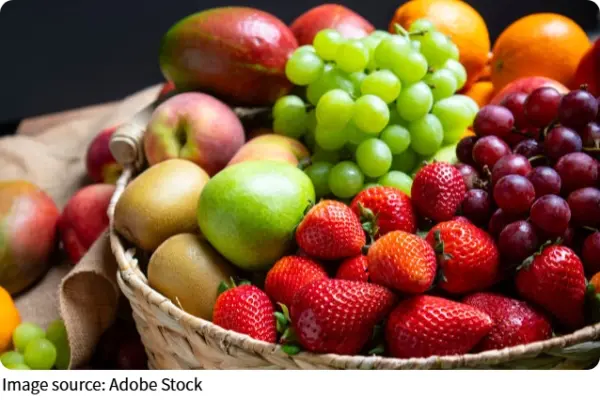
Blue and Purple Fruits: Brain and Anti-Inflammation Power
Blueberries, blackberries, grapes, and mulberries are rich in anthocyanins and resveratrol, which help fight inflammation, support brain function, and act as antioxidants to protect our cells. Eating a handful of blueberries or blackberries daily can help keep our mind sharp and reduce oxidative stress. A practical tip is to mix these fruits into yogurt, oatmeal, or smoothies for a brain-boosting breakfast. Not only are they delicious, but they also provide long-term protection for our memory and cognitive health.
White Fruits: Balance Blood Pressure and Aid Lungs
Fruits such as bananas, pears, lychee, and longan are rich in potassium and dietary fiber. These nutrients help maintain stable blood pressure, support digestion, and even soothe the lungs. For instance, having a banana in the morning can help regulate blood pressure and provide energy, while a few slices of pear after meals aid digestion. Including white fruits in our daily diet is a simple way to keep our cardiovascular and respiratory systems in check, especially if we live in busy, urban environments.
How to Eat a Rainbow of Fruits
To get the full benefits of fruits, we should aim for 200–350 grams of fresh fruits daily, ideally including a mix of colors. Choosing seasonal fruits usually ensures higher nutrient content and better flavor. Whenever possible, we should eat fruits whole rather than juiced, as juicing removes valuable fiber. A simple strategy is to plan meals with at least three different colors of fruit every day—for example, red strawberries, green kiwi, and yellow mango—so our body gets a broad range of vitamins, minerals, and antioxidants in a tasty way.
Extra Tips for Maximum Benefit
We can also combine fruits with other foods to enhance absorption of nutrients. For instance, pairing orange slices or mango with a small amount of healthy ingredients, like nuts or yogurt, helps our body absorb vitamin A and beta-carotene more effectively. Remember to wash fruits thoroughly, store them properly, and eat them fresh to get the best nutrition. By making small but consistent changes, we turn fruit consumption into a daily habit that truly benefits our overall health.
Wrapping Up Our Colorful Fruit Lesson
By understanding the difference between fruits of different colors, we can eat smarter and support our health in multiple ways. Red fruits protect our heart, orange and yellow fruits boost immunity, green fruits aid digestion, blue and purple fruits help our brain, and white fruits support blood pressure and lungs. Lykkers, let’s enjoy the rainbow of fruits every day, make our meals more colorful, and take care of our health in the tastiest and easiest way possible. Eating a variety of fruit isn’t just a habit—it’s a simple lifestyle change that brings long-term benefits for our body and mind.