Grow Your Own Herbs
Arvind Singh
| 24-12-2025
 · Lifestyle team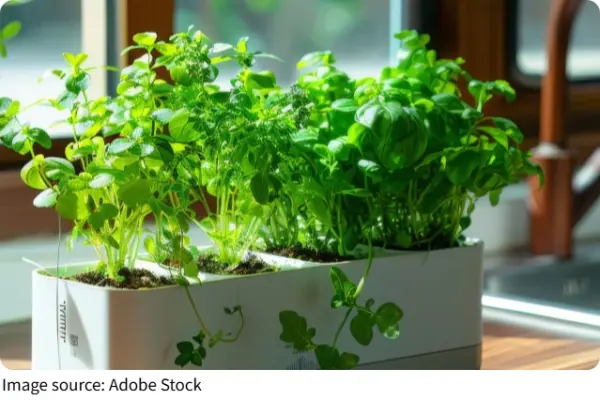
Have you ever found yourself reaching for a bunch of fresh herbs at the grocery store, only to use a small portion and throw the rest away a week later?
It's a common problem, but growing your own herbs could be the perfect solution. Not only will it save you money, but it also offers a whole host of benefits for your kitchen, health, and even your mental well-being.
Here's why you should start growing your own herbs today.
1. Freshness at Your Fingertips
There's something undeniably satisfying about plucking fresh herbs right from your own garden or windowsill. Whether it's basil, thyme, or rosemary, fresh herbs can elevate any dish with their vibrant flavors. When you grow your own, you don't have to worry about herbs sitting in the fridge for days, losing their flavor or wilting away. You can snip just what you need, when you need it, ensuring maximum flavor in your meals.
Benefits:
• Fresh herbs retain more nutrients and oils than store-bought ones that may have been sitting for days.
• You can experiment with herbs you might not usually buy, like mint, oregano, or dill, expanding your culinary horizons.
2. Cost-Effective Gardening
Herbs can be expensive to buy, especially if you're only using a small portion. But by growing your own herbs, you can save money in the long run. Even if you only have a small space, herbs like parsley, chives, and thyme can thrive in planters or small garden beds. Once established, they'll continue to provide fresh leaves season after season.
How it saves money:
1. A single herb plant can produce multiple harvests, so you won't need to buy new herbs constantly.
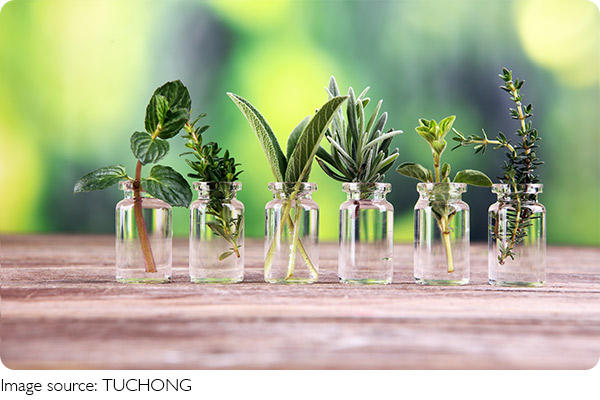
2. Herbs are easy to propagate, meaning you can grow more plants for free, just by taking cuttings.
3. Health Benefits and Nutrition
Herbs are packed with essential vitamins, antioxidants, and minerals that contribute to overall well-being. Many herbs have health-boosting properties that you might not get from other food sources. For instance, mint can aid digestion, while parsley is rich in vitamin C. Having fresh, organic herbs on hand means you're adding extra nutrients to your meals without even thinking about it.
Health benefits:
1. Basil is rich in anti-inflammatory compounds.
2. Thyme has antimicrobial properties, which can help support immune health.
3. Lavender is known for its calming effects and can improve sleep quality.
4. Environmental Impact
By growing your own herbs, you're also contributing positively to the environment. Store-bought herbs often come wrapped in plastic and require transportation over long distances, leading to excess waste and carbon emissions. Growing your own herbs eliminates this packaging and reduces the carbon footprint associated with food transport.
Eco-friendly perks:
• No plastic waste: Grow your herbs in biodegradable planters or directly in your garden.
• Reduces food miles: The closer your food source, the less impact it has on the environment.
• Helps pollinators: Many herbs attract bees and other beneficial insects, which are crucial for a healthy ecosystem.
5. A Therapeutic Hobby
Gardening, in any form, can be incredibly therapeutic. Tending to plants provides a sense of accomplishment, and the act of nurturing something can significantly reduce stress. Caring for herbs encourages mindfulness and can be a relaxing break from a busy day. Plus, watching your herbs grow and flourish gives you a deeper connection to nature and the food you eat.
Mental wellness:
1. Spending time outdoors or tending to your plants can lower levels of anxiety and boost mood.
2. Gardening offers a quiet time for reflection, allowing you to disconnect from digital distractions.
6. Easy to Grow
Unlike some vegetables that can be picky about soil or temperature, herbs are generally easy to grow and require minimal care. Whether you're an experienced gardener or a complete beginner, herbs are the perfect starting point. Many herbs can thrive in containers, making them ideal for apartments, balconies, or windowsills.
Easy herbs to start with:
1. Basil: Needs plenty of sunlight and moderate watering.
2. Chives: Perfect for containers, they're hardy and simple to grow.
3. Mint: Grows quickly and can be invasive, so it's best planted in planters.
4. Rosemary: Requires full sun and well-drained soil, and it's quite drought-tolerant once established.
7. It's Fun for the Whole Family
If you have kids, gardening can be a fun and educational activity for the whole family. Growing herbs offers a hands-on way to teach children about where their food comes from, responsibility, and the basics of plant care. Plus, it's rewarding for kids to watch their plants grow and be used in family meals.
Family-friendly gardening:
• Hands-on learning: Kids can help plant seeds, water plants, and harvest leaves.
• Creative cooking: Children will love adding the herbs they grew themselves to family recipes.
8. Great for Cooking Variety
Having a wide variety of fresh herbs available means you can easily enhance the flavors of your dishes. Whether you're making a salad, soup, pasta, or smoothie, the right herb can take your recipe to the next level. Fresh herbs provide an easy way to experiment with new flavors and give your cooking an exciting twist.
Herb cooking tips:
1. Use cilantro for a zesty kick in Mexican or Asian dishes.
2. Add rosemary to roasted potatoes or lamb for a savory depth.
3. Mix oregano and thyme into Mediterranean salads or tomato-based sauces.
Conclusion
Growing your own herbs is a small investment that reaps big rewards. Not only do you save money, but you also improve your health, benefit the environment, and enjoy a relaxing and rewarding hobby. Whether you have a spacious backyard or a small apartment, there's always space for a few planters of fresh herbs. The best part? You'll never have to worry about running out of fresh basil or cilantro again. So, grab a container, plant some seeds, and let the benefits of growing your own herbs unfold.