Cranes

Arvind Singh
| 24-12-2025
 · Animal team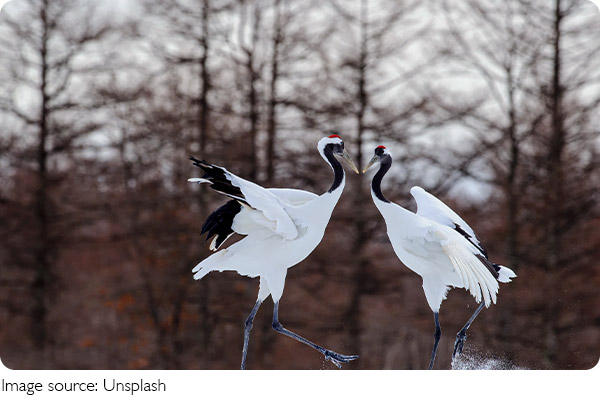
A serene landscape dotted with wetlands and wide-open skies. Suddenly, the quiet is broken by the graceful flapping of wings—thousands of cranes soar high in the sky, embarking on their incredible migratory journey.
These stunning birds travel across continents, covering vast distances, often crossing oceans and mountain ranges. But what drives them to make such long and perilous trips?
And how do they navigate the vast distances with such precision? Let's take a closer look at the incredible migratory journey of cranes.
The Great Migration Routes
Cranes are known for their long-distance migrations, often traveling thousands of miles between their breeding grounds and wintering habitats. These journeys are typically triggered by the changing seasons—cranes fly south as winter approaches and return north in the spring for breeding.
What's truly fascinating is how cranes follow specific migratory routes, often passed down through generations. They follow ancient flight paths that lead them to reliable food sources and favorable climates. For example, the whooping crane (Grus americana) travels in North America, while the red-crowned crane (Grus japonensis) migrates to some countries in South Asia.
Some cranes cover over 4,000 miles in one journey.
They follow ancient migration routes.
Migration is triggered by seasonal temperature changes.
Cranes typically travel in large flocks, which helps them maintain communication and navigate efficiently during the journey.
How Cranes Navigate Their Path
Navigating vast distances is no small feat, but cranes have evolved remarkable skills to help them find their way. They rely on a combination of environmental cues such as the position of the sun, the stars, and the Earth's magnetic field. Studies have shown that cranes also have an innate ability to recognize landmarks during migration, such as mountain ranges, coastlines, or even large bodies of water.
Interestingly, cranes have also been observed to learn migration routes from older, more experienced members of their flock. This communal aspect of navigation ensures that young cranes grow up with the knowledge they need to undertake these daunting migrations themselves.
Cranes use the sun, stars, and magnetic fields to navigate.
Experienced members of the flock guide the younger birds.
Environmental landmarks help cranes stay on course.
For example, studies tracking the migration of juvenile cranes have shown that they often stay close to mature cranes during their first migration, gradually learning the route.
The Challenges of Migration
The journey is not without its challenges. Cranes face a variety of obstacles, from extreme weather conditions to threats from predators. Strong winds, storms, and even exhaustion can take a toll on their physical condition. In addition, cranes are vulnerable to human activities such as habitat destruction, which can disrupt their migration routes.
One of the most significant dangers they face is hunting and poaching. Some species of cranes are hunted for their meat or feathers, while others fall victim to illegal trapping during migration. This makes their already perilous journey even more difficult.
Cranes face extreme weather conditions during migration.
Habitat destruction can disrupt their routes.
Hunting and poaching present significant risks to cranes.
For instance, the Eastern Crane migration across Eastern Europe has been heavily affected by human activities, particularly in areas where wetlands have been drained for agriculture.
The Role of Conservation in Protecting Migratory Cranes
Given the many challenges cranes face during migration, conservation efforts are crucial to ensuring their survival. Several organizations and governments are working to protect crane habitats, monitor migration routes, and prevent poaching. Wetland restoration projects, such as those in the North American Great Plains, aim to provide cranes with safe resting and feeding areas during their long journeys.
Additionally, some countries have established migratory bird reserves to create protected areas where cranes can safely rest and feed. These reserves are strategically located along major migratory routes to provide safe havens for cranes on their journey.
Wetland restoration projects support crane migration.
Migratory bird reserves help protect crane resting areas.
Monitoring and research are crucial for conservation.
For example, in the United States, the Whooping Crane Recovery Program has been instrumental in ensuring the survival of the whooping crane by providing protected migration routes and breeding areas.
The Future of Crane Migration
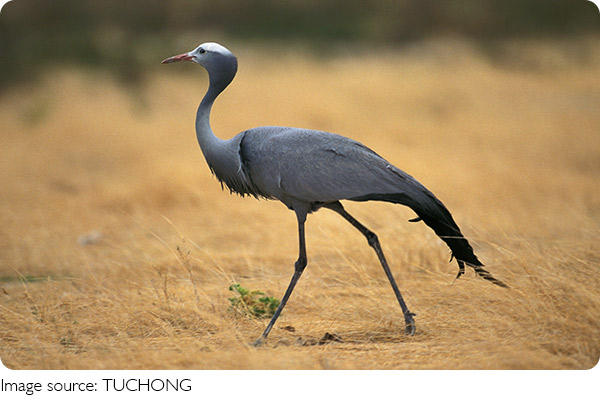
The future of crane migration relies heavily on continued conservation efforts and the protection of natural habitats. With climate change and human activity continuing to pose threats, it is essential to create more sustainable and safe environments for cranes to migrate. This includes preserving wetland ecosystems, reducing hunting pressures, and supporting research into migration patterns.
Cranes, like many migratory birds, serve as indicators of the health of our ecosystems. If we continue to protect their habitats and support their migratory routes, we can ensure that future generations will have the privilege of witnessing these majestic birds soaring across the skies.
Continued habitat protection is vital for the future of cranes.
Climate change threatens the stability of crane migration.
Sustainable conservation practices will secure their future.
For example, some conservation groups are working to provide artificial habitats for cranes that are losing their natural homes due to urban development and industrialization.
Preserving the Journey
The migratory journey of cranes is a testament to the resilience and adaptability of nature. These magnificent birds embark on long and perilous travels each year, facing challenges that would deter most creatures. Yet, through their perseverance and remarkable navigational abilities, they continue to inspire awe and admiration.
As we watch these elegant birds take flight, it's essential to remember that their journey is not just one of survival but also a reminder of how interconnected we are with the natural world. By supporting conservation efforts and respecting their migratory paths, we can help ensure that cranes continue to grace our skies for generations to come.