The Bloody Cost of Ivory

Raghu Yadav
| 24-12-2025
 · Animal team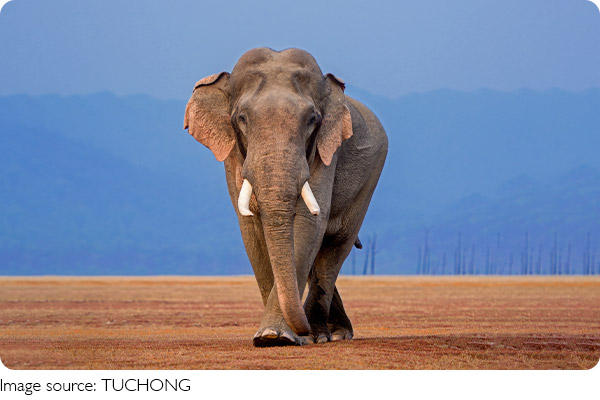
A herd of elephants moves slowly across the savanna, calves tucked safely between mothers and aunts. The scene looks timeless, but danger lurks beyond the horizon.
Poachers, armed and organized, track these giants not for food or survival, but for their tusks. Those tusks feed a dark global trade in ivory—one that has left thousands of elephants dead and entire ecosystems destabilized.
The Mechanics of Poaching
Poaching is rarely the act of a lone hunter. Instead, it's often carried out by organized groups that treat ivory like contraband. Equipped with rifles and advanced gear, they can wipe out entire family groups in a single attack.
The cruelty extends beyond the loss of life. Calves left behind often perish without the protection of the herd. Communities near elephant ranges also pay the price, as armed gangs clash with rangers, spreading fear and instability.
For individuals at the bottom of the chain, it's often about survival—desperate people lured by quick cash. But above them are traffickers and brokers, the real profiteers who turn tusks into high-value black-market goods.
The Black Market Network
Ivory doesn't pass through ports by accident. Its movement is highly organized, relying on covert routes and corrupt officials. Once tusks leave Africa, they pass through layers of dealers, carvers, and intermediaries before reaching buyers.
This trade is worth billions, ranking alongside narcotics and arms in terms of global underground economies. What makes it especially dangerous is its link to wider criminal networks. Profits from ivory trafficking often fund armed groups, fueling instability far beyond the savannas where elephants suffer.
The Toll on Elephants
The impact on elephants is devastating. In the 1980s, populations plummeted so fast that entire regions lost most of their herds. Even with international bans, illegal hunting continues today.
Elephants are more than charismatic giants—they're keystone species. Their movements shape landscapes, opening clearings in forests and spreading seeds across miles. When elephants disappear, entire ecosystems change, affecting countless other animals and even local communities who depend on healthy environments.
Efforts to Stop the Trade
The fight against poaching and ivory trafficking has grown more sophisticated. Conservationists, governments, and communities are working together on multiple fronts:
1. Anti-poaching patrols: Rangers use drones, GPS tracking, and trained dogs to detect ivory. Their work is dangerous, but it saves lives—both elephant and human.
2. Stronger laws: Many countries have banned domestic ivory sales, closing loopholes that traffickers once exploited.
3. Awareness campaigns: By reducing demand, conservationists cut off the incentive that drives poaching. Public pressure has led to declining ivory markets in some regions.
4. Community involvement: Providing local people with alternative livelihoods—such as eco-tourism jobs or conservation work—creates allies rather than adversaries in protecting elephants.
Each of these measures chips away at the global chain, though the fight is far from over.
What You Can Do
It's easy to feel distant from the ivory trade, but individuals can help too:
• Never buy ivory products, no matter how small or “antique” they seem.
• Support organizations that fund rangers, protect habitats, and advocate for elephants.
• Share stories that highlight the cruelty and cost of ivory—awareness is a powerful tool against demand.
Even small actions matter, because the ivory trade thrives in secrecy. Shining light on it helps reduce its power.
A Final Reflection
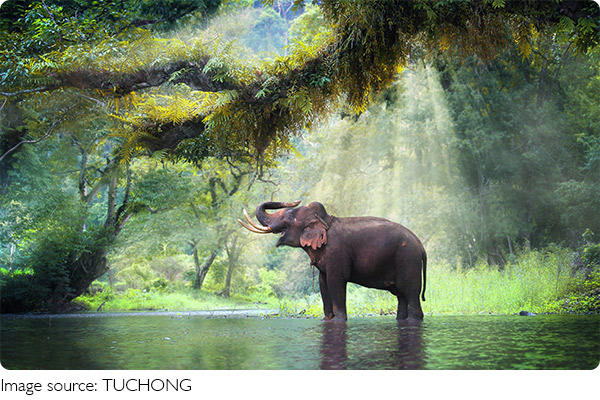
The image of elephants should be one of strength and endurance, not loss. Yet every tusk carved into trinkets carries with it a story of suffering and destruction.
Standing against the ivory trade means more than saving elephants. It means disrupting crime networks, protecting fragile ecosystems, and preserving one of Earth's most iconic species for future generations. The question is no longer whether we can afford to stop the ivory trade—it's whether we can afford not to.