Plastic vs. Sea Turtles

Pankaj Singh
| 24-12-2025
 · Animal team
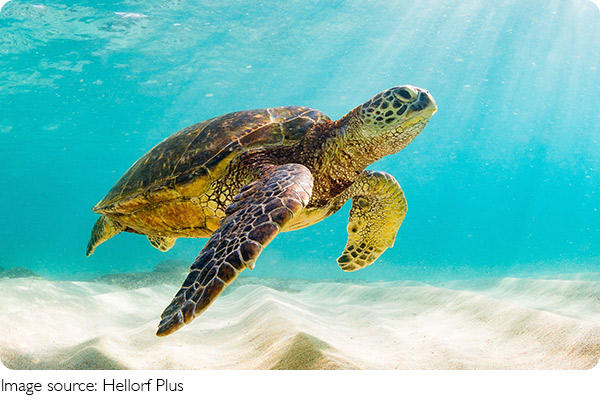
Picture a sea turtle gliding gracefully through turquoise water. Its flippers move like wings, carrying it across miles of ocean. Then, with one gulp, everything changes.
What looked like a drifting jellyfish was actually a plastic bag. For sea turtles, this mistake can mean the difference between life and death. Ocean plastic pollution is more than an eyesore—it's a growing threat to creatures that have survived for over 100 million years.
Why Turtles Mistake Plastic for Food
Sea turtles rely heavily on sight when searching for food. To them, a floating plastic bag looks uncannily like a jellyfish, one of their favorite meals. Transparent, wavy, and drifting with the current—it's easy to see why they'd be fooled.
But swallowing plastic has deadly consequences. It can block their digestive tracts, making turtles feel full even when they're starving. Sometimes sharp fragments puncture their stomachs. Even tiny microplastics, which are invisible to the eye, can build up in their bodies over time, affecting their health in ways scientists are still studying.
Entanglement in Ocean Debris
Plastic doesn't just threaten turtles from the inside—it also traps them from the outside. Discarded fishing nets, often called “ghost nets,” are some of the deadliest hazards. A turtle caught in one may drown because it can't surface for air. Others end up with flippers tangled, leading to injury or even amputation.
Old ropes, six-pack rings, and packing straps can tighten around young turtles as they grow, causing deep wounds or deformities. These images are heartbreaking, but they're also preventable.
Nesting Beaches Under Pressure
The danger doesn't end at sea. Plastic waste often washes up on beaches, the very places turtles return to lay eggs. When sand is clogged with trash, it makes it harder for females to dig proper nests. Hatchlings face obstacles as they crawl toward the ocean, sometimes getting trapped in litter before they ever touch water.
This matters because sea turtles already face slim odds: only about one in a thousand hatchlings survives to adulthood. Plastic makes those odds even worse.
What's Being Done Globally
The scale of the problem is daunting, but efforts are underway to turn the tide.
1. Beach cleanups: Volunteer groups worldwide organize cleanups to clear nesting areas before turtles arrive.
2. Fishing gear reforms: Some fisheries now use biodegradable nets or tracking systems so gear isn't abandoned.
3. Policy changes: Bans on single-use plastics, such as straws and bags, aim to reduce the most common items turtles mistake for food.
4. Rescue and rehab: Marine hospitals rescue turtles injured by plastic, nurse them back to health, and release them again.
These efforts show that while the problem is global, solutions often start locally—with communities caring for the beaches and waters they depend on.
How You Can Help
Protecting sea turtles from plastic isn't just a job for scientists or governments. Each of us can play a role:
1. Reduce single-use plastics: Carry reusable bags, bottles, and cutlery. The less plastic we use, the less ends up in the sea.
2. Support cleanups: Join or donate to groups that clear beaches and coastal waters. Even a few hours can make a visible difference.
3. Choose responsible seafood: Look for labels that certify sustainable fishing practices, helping reduce discarded nets.
4. Spread awareness: Share stories about the impact of plastic on sea turtles—it inspires action when people understand the problem.
Small steps, repeated by many, can shift the tide of plastic pollution.
A Final Reflection
Sea turtles are ancient navigators, outliving the age of dinosaurs and crossing oceans long before humans set sail. It would be a tragedy if their survival story ended with plastic waste.
Next time you see a plastic bag fluttering in the wind, picture it drifting in the ocean, mistaken for food by a hungry turtle. That single bag could mean the loss of a creature older than recorded history. Choosing to act—whether by reusing, cleaning, or supporting conservation—isn't just about protecting turtles. It's about honoring the resilience of a species that has shared this planet with us for millennia and ensuring they remain part of its future.