Sculpting Space

Mukesh Kumar
| 24-12-2025
 · Art team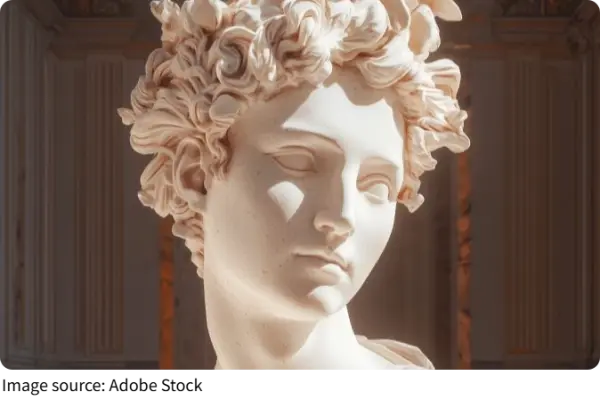
Ever walked into a room and felt immediately drawn to a large, bold sculpture, even though it doesn't seem to belong there? The way a sculpture interacts with its surroundings can be just as important as the form itself.
Sculpture, unlike other art forms, isn't confined to a canvas or a frame—it's an experience in space.
When artists create sculptures, they aren't just thinking about the object itself; they are engaging with the environment, molding the space around the piece and, in turn, influencing how we perceive it. This ability to shape perception is what gives sculpture its unique power.
Space as an Active Participant
1. Creating Contrast
Sculpture has the ability to transform a mundane space into something new. Take a large, minimalist piece placed in an otherwise sparse room. The empty space around it isn't just "background"; it becomes a part of the artwork. By using open space as a visual tool, sculptures can create contrasts that challenge our usual understanding of scale, balance, and even time. We may see the sculpture as monumental in one moment, only to realize how small or delicate it is in relation to its surroundings the next.
2. Negative Space
One of the most fascinating aspects of sculpture is how it can make us see what isn't there. Negative space—the areas between and around the sculpture—becomes just as important as the form itself. The interaction between the solid and the empty can make us rethink how we define space. A piece with intricate gaps and cutouts encourages the viewer to see not only what is physically present but also what is left out.
Movement Through Sculpture
1. Dynamic Interaction
Unlike paintings or drawings, which are static, sculptures invite interaction. Think about a piece you can walk around or one that changes its appearance as you move. The experience isn't just about a single viewpoint but a continuous evolution as you explore it from different angles. This dynamic relationship between the viewer and the sculpture is something only three-dimensional art can offer. Each new perspective reveals different details or transforms the artwork completely, creating a more personal, active relationship with the space.
2. Fluidity of Form
Some sculptors even use this movement within their work itself. For example, sculptures that incorporate materials that bend, sway, or interact with the environment—like those that respond to wind or light—invite viewers to witness change. The piece, though physically solid, becomes something that shifts and evolves in real-time, encouraging us to reconsider the fixed nature of the world around us.
How Sculpture Alters Perception of Space
1. Altering Scale
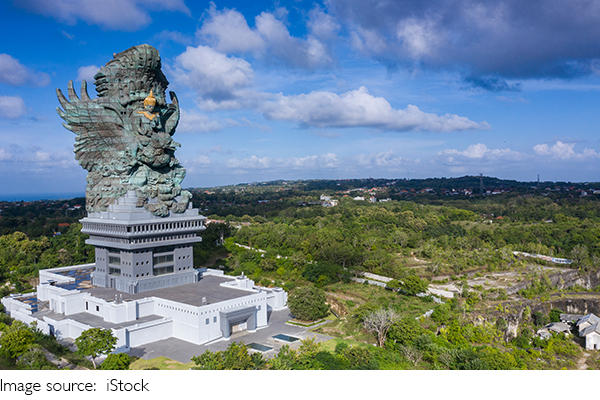
Sculptors are masters of scale. By playing with proportions, they can make objects seem larger or smaller, more imposing or delicate, than we would expect in everyday life. This shift can completely alter how we experience the environment. A gigantic sculpture in a small room might feel overwhelming or claustrophobic, while a tiny, intricate piece in a large open space could draw attention to overlooked corners. By manipulating size, sculpture can turn a familiar space into an entirely new landscape.
2. Defying Boundaries
Some artists use sculpture to question the very boundaries of a space. When a sculpture extends outside its designated area, reaching into the surrounding environment, it can create a feeling of expansion. The piece isn't confined to the walls, the floor, or the ceiling; it breaks free, making the viewer see the boundaries of the space as flexible and fluid. In this way, sculpture doesn't just inhabit a space—it challenges it.
The Emotional Impact of Sculpture
Sculpture is not just about physical form and space—it can also evoke powerful emotions. The way a sculpture interacts with its environment can trigger a range of emotional responses. A towering figure in the middle of an open plaza can evoke feelings of awe or intimidation, while a small, intimate piece tucked in a quiet corner might prompt reflection or peace. The artist's use of space can create tension, harmony, or surprise, shaping how we feel about the space around us. This emotional response is what makes sculpture such a unique and potent form of art.
Bringing Space to Life
The next time you find yourself standing before a sculpture, take a moment to consider not just the form, but how it shapes the space around it. Whether it's playing with scale, creating contrasts, or inviting interaction, sculpture has the ability to transform our perception of the environment. It makes space come alive, encouraging us to see things in new ways. Through sculpture, we're not just viewing an object; we're experiencing a dynamic relationship with the space we inhabit.
Conclusion
Sculpture challenges our conventional understanding of art. It invites us to engage with space in a dynamic and interactive way, offering fresh perspectives on the world around us. By altering the perception of the environment and shaping our emotional responses, sculpture isn't just about what's made—it's about how we experience the space that holds it. As artists continue to push the boundaries of form and space, our relationship with sculpture—and the spaces it occupies—will only deepen.