Sunscreen Truths

Arvind Singh
| 24-12-2025
 · Fashion team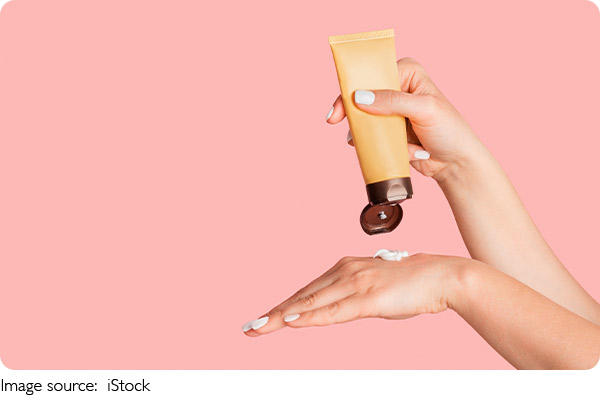
Sunscreen is one of the most important tools in maintaining healthy, youthful skin, yet misconceptions about its use are widespread.
Misunderstandings about SPF levels, application methods, and effectiveness can leave skin vulnerable to damage from ultraviolet (UV) radiation.
Debunking these myths is essential for achieving proper protection and avoiding long-term harm such as premature aging, pigmentation, and weakened skin barrier function.
Myth 1: Darker Skin Doesn't Need Sunscreen
A common misconception is that darker skin tones are naturally immune to UV damage. While higher melanin levels offer some protection, they do not prevent the harmful effects of UVA and UVB rays. Prolonged exposure can still cause pigmentation changes, accelerated aging, and increased risk of certain skin conditions. Applying a broad-spectrum sunscreen daily is crucial for all skin tones.
Myth 2: SPF 30 Is Enough for All Situations
Many assume that SPF 30 provides complete protection in all circumstances. SPF measures UVB protection only, and even high SPF does not provide indefinite defense. Factors such as sweating, swimming, or rubbing clothing can reduce effectiveness. Reapplication every two hours—or more often during heavy activity—is necessary to maintain consistent protection. Broad-spectrum formulas that guard against UVA are also essential for preventing long-term damage.
Myth 3: Sunscreen Is Only Needed on Sunny Days
UV rays pass through clouds, meaning that overcast days still carry risks of skin damage. UVA rays, in particular, are strong year-round and can contribute to wrinkles and hyperpigmentation even in low-light conditions. Daily sunscreen use, regardless of weather, ensures continuous protection against cumulative UV exposure.
Myth 4: Tanning Beds Are Safe Alternatives
Artificial tanning through beds is often perceived as a controlled way to get a "safe tan." In reality, tanning beds emit concentrated UV radiation that accelerates skin aging and increases the risk of DNA damage. They do not provide any protective benefit and can exacerbate photoaging. Avoiding tanning beds altogether is strongly recommended for maintaining long-term skin health.
Myth 5: A Small Amount of Sunscreen Is Enough
Many users apply insufficient product, assuming a thin layer is adequate. Studies show that most people use only 25-50% of the recommended amount. For full protection, a generous application—roughly one teaspoon for the face and neck, and a shot-glass-sized amount for the body—is necessary. Reapplication after swimming, sweating, or towel drying is equally important to maintain effective coverage.
Myth 6: Makeup or Moisturizer with SPF Replaces Sunscreen
While SPF-infused makeup or moisturizer provides some protection, these products often do not deliver sufficient coverage for the skin. Layering these items over a dedicated sunscreen is the most effective strategy. Skincare products with antioxidants or hydrating agents can complement sunscreen but should not be considered replacements.
Myth 7: Sunscreen Is Only for Outdoor Activities
UV exposure occurs not only outdoors but also indoors near windows. UVA rays pass through glass and contribute to cumulative photoaging. Daily use of broad-spectrum sunscreen—even when commuting or working near windows—provides essential defense against these hidden sources of UV stress.
Best Practices for Effective Use
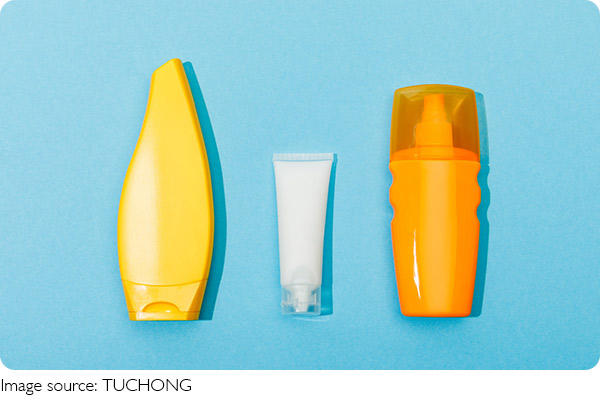
Choosing the right sunscreen requires attention to SPF, broad-spectrum coverage, and formulation suited to skin type. Creams or lotions provide hydration and are ideal for dry skin, while gels or lightweight fluids suit oily or combination skin. Consistency in application, reapplication, and integrating sunscreen into a broader skincare routine—including antioxidants and moisturizers—maximizes protection.
Conclusion: Clear Skin Requires Correct Knowledge
Sunscreen is a cornerstone of skin health, but myths and misconceptions can undermine its effectiveness. Understanding the realities about SPF, application, and UV risks allows individuals to protect their skin strategically. By applying sunscreen daily, using sufficient amounts, and combining it with complementary skincare practices, it is possible to prevent premature aging, maintain an even tone, and preserve long-term skin resilience. Knowledge, consistency, and proper technique are the keys to making sunscreen truly effective.