Everyday Healthy Eating

Amit Sharma
| 04-01-2026
 · Cate team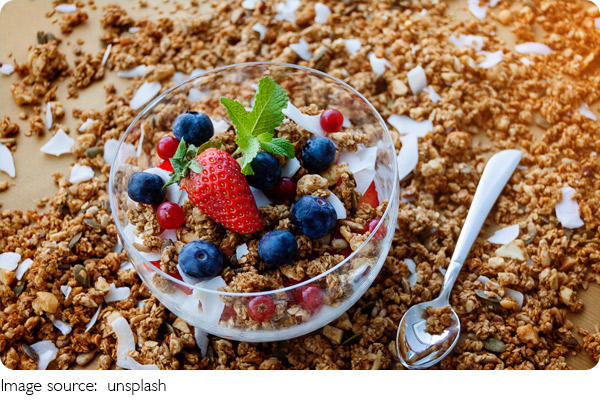
Have you ever stood in front of the fridge at night, hungry but unsure what to grab? You promise yourself you'll eat healthier tomorrow, but somehow chips or cookies sneak in again.
Eating well doesn't have to mean strict diets or giving up all your favorite foods. The trick is weaving small, simple habits into your day so healthy choices become the natural ones.
Start With Breakfast
Your first meal sets the tone for the day. If you skip it, you're more likely to reach for quick, sugary snacks later. A balanced breakfast doesn't have to be complicated. Think whole grains, fruit, and a source of protein. For example, a bowl of oatmeal topped with banana slices and a spoonful of nut butter fuels you better than a sweet pastry.
Nutrition researcher Dr. Christopher Gardner of Stanford University explains that meals containing both fiber and protein digest more slowly, which helps maintain steady blood sugar levels and prolong feelings of fullness. Even a simple combination—such as fruit paired with yogurt—can provide enough balance to support sustained energy when time is limited.
Pack in More Vegetables
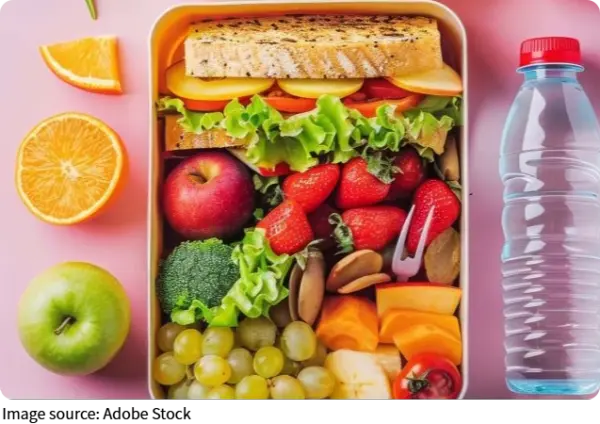
One of the easiest ways to improve your diet is to add vegetables to what you already eat. Instead of cutting things out, focus on crowding your plate with more greens, colors, and textures. Toss spinach into scrambled eggs, add roasted vegetables to pasta, or load sandwiches with cucumber and tomato.
Variety matters because different vegetables offer different nutrients. Bright orange carrots give you vitamin A, while dark leafy greens are rich in iron. The more colors on your plate, the better balance you'll get.
Choose Smarter Snacks
Snacking itself isn't the problem—it's what you snack on. When hunger hits between meals, it's tempting to grab chips or candy, but healthier options can be just as satisfying. A handful of almonds, apple slices with peanut butter, or hummus with carrots are all simple swaps.
The key is planning ahead. If healthy snacks are ready to go, you won't have to rely on impulse. Keep a small container of trail mix in your bag or sliced fruit in the fridge. That way, you're prepared when cravings strike.
Mind Your Drinks
Calories don't just come from food—many come from what we drink. Sugary sodas, fancy coffee drinks, and even fruit juices can sneak in hundreds of calories without filling you up. Swapping just one daily soda for water or sparkling water makes a huge difference over time.
If plain water feels boring, try adding slices of lemon, cucumber, or berries for a little flavor. Herbal teas are another great option, especially in the evening when you want something warm but light.
Watch Portion Sizes
Sometimes it's not about what you eat but how much. Oversized portions can trick you into consuming more than your body needs. A helpful tip is to start with smaller servings. You can always go back for more if you're still hungry, but often you'll find the first plate is enough.
Simple swaps help too. Use a smaller plate at dinner, or split restaurant meals into two portions before you start eating. This way, you enjoy the food without feeling stuffed.
Cook More at Home
Eating out is convenient, but restaurant meals often come with extra oil, sugar, and salt. Cooking at home gives you control over ingredients and portion sizes. The good news is you don't have to be a chef to make healthy meals.
Simple dishes like roasted vegetables, grain bowls, or homemade soups can be prepared in less than 30 minutes. Batch cooking once or twice a week also saves time. Make a big batch of brown rice, roast a tray of vegetables, and grill some chicken or fish. Mix and match throughout the week for quick meals.
Listen to Your Body
Healthy eating isn't just about rules—it's also about paying attention to how food makes you feel. Notice how your body reacts after different meals. Do you feel energized or sluggish? Satisfied or still hungry?
For example, a heavy, greasy meal might leave you tired, while a lighter one with vegetables and whole grains keeps you alert. Listening to these signals helps you choose foods that truly work for your body instead of following strict plans.

Small Steps Add Up
The biggest myth about healthy eating is that it requires huge, drastic changes. In reality, it's the small steps done consistently that make the difference. Swapping white bread for whole grain, replacing one soda with water, or adding an extra serving of vegetables each day may not seem like much—but over weeks and months, these choices add up.
Here are three simple habits you can start today:
1. Add one fruit or vegetable to every meal.
2. Replace one processed snack with a whole-food option.
3. Drink an extra glass of water before lunch and dinner.
These may seem minor, but they create a ripple effect. Soon, healthy eating feels less like a challenge and more like a natural part of your day.
The Takeaway
Eating healthier every day isn't about cutting everything you love or following complicated rules. It's about making simple swaps and listening to your body. The more you add in nourishing foods and small routines, the less room there is for habits that don't serve you.
Next time you open the fridge and wonder what to eat, remember: one small, smart choice is all it takes to move in the right direction. Over time, those choices stack up into a healthier, happier version of you.