Cantaloupe Basil Jam Magic

Tessa
| 05-01-2026
 · Cate team
The first time I tasted cantaloupe basil jam, I was surprised at how a simple fruit and herb pairing could feel so sophisticated.
It's the kind of flavor combination that turns an ordinary breakfast toast into a little moment of delight, and once you learn how to make it, you'll wonder why you never tried it before.
Choosing the Right Ingredients
Freshness is everything when making cantaloupe basil jam. You want a ripe cantaloupe that gives slightly to pressure and smells sweet at the stem. Basil should be vibrant green with no wilted leaves, as its aroma is what lifts the jam's flavor.
Tips for selecting ingredients:
Pick cantaloupes with a golden, slightly netted skin and a sweet scent. Avoid overly soft spots.
Use fresh basil from a local market or herb garden for the best fragrance.
Opt for organic sugar if possible; it dissolves evenly and enhances the fruit's natural sweetness.
Actionable example: Slice a cantaloupe into chunks and taste a piece. If it's sweet and fragrant, it's perfect for jam. If it tastes bland, choose another fruit to ensure your jam will shine.
Preparing the Fruit and Herb
Proper preparation helps the flavors meld evenly. Start by peeling and de-seeding the cantaloupe, then cutting it into uniform chunks. This ensures they cook at the same rate. For basil, roughly chop the leaves to release their oils without turning them into a puree.
Step-by-step guidance:
Remove the rind and seeds from the cantaloupe, then cut into 1-inch cubes.
Roughly chop 1 cup of basil leaves for every 4 cups of cantaloupe.
Keep the fruit and basil separate until you start cooking to preserve the bright color and aroma.
Example: If your basil is too finely chopped too early, the flavor can become overpowering during cooking. Adding it at the right time keeps the jam balanced.
Serving Ideas
Cantaloupe basil jam shines in unexpected ways. Spread it on morning toast, pair it with soft cheeses like ricotta, or even glaze grilled chicken for a sweet-herbal twist. Its bright color and fresh flavor make it a conversation starter at any table.
Serving tips:
Spread a thin layer on warm toast and top with a sprinkle of crushed nuts.
Mix a spoonful into plain yogurt for a fruity herbal snack.
Drizzle over a slice of cheesecake or panna cotta for a refreshing contrast.
Example: For a quick appetizer, dollop cantaloupe basil jam on crostini with goat cheese and a few basil leaves—sweet, savory, and aromatic in every bite.
Cooking the Jam
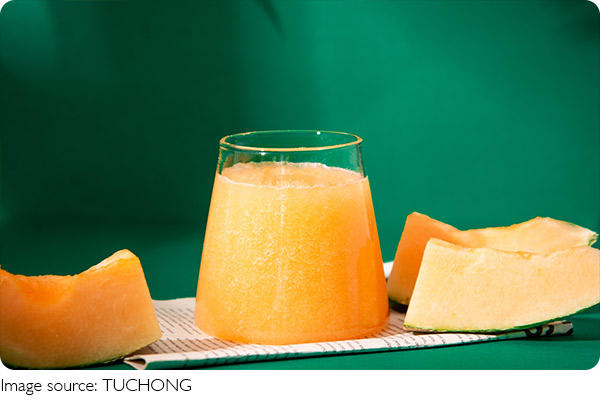
Cooking cantaloupe basil jam requires gentle heat to maintain the fruit's flavor while allowing the natural sugars to concentrate. Combine the cantaloupe and sugar in a saucepan, let it sit for 30 minutes to draw out juices, then cook over medium heat, stirring occasionally. Basil should be added in the last few minutes of cooking.
Cooking tips:
Use a heavy-bottomed pan to prevent burning and allow even cooking.
Test the jam's consistency by placing a spoonful on a cold plate; it should thicken but remain slightly runny.
Avoid overcooking the basil—too much heat can make it bitter.
Example: After 15 minutes of simmering, stir in the basil and cook for 3 more minutes. Taste and adjust sugar if needed before bottling.
Preserving and Storing
Proper preservation extends the jam's shelf life. Sterilize jars by boiling them, then pour the hot jam inside. Seal immediately to create a vacuum, which helps prevent spoilage. Store in the refrigerator for up to three weeks or process in a water bath for longer-term storage.
Practical steps:
Wash jars and lids thoroughly, then boil for 10 minutes.
Fill jars with jam, leaving half an inch of space at the top.
Twist lids on tightly and let them cool completely before storing.
Actionable example: Label each jar with the date to keep track of freshness. If refrigerated, use within three weeks for optimal flavor.
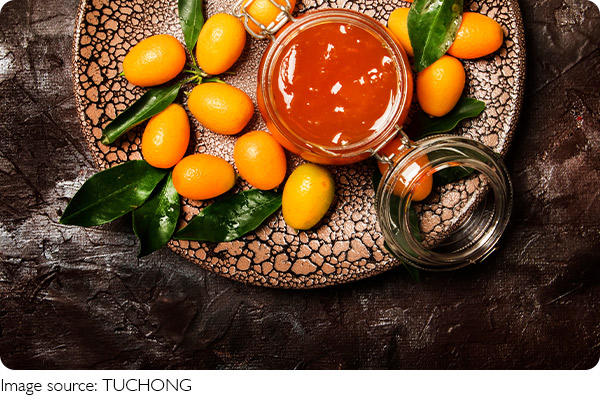
Making cantaloupe basil jam is more than just preserving fruit—it's about capturing a seasonal flavor combination that surprises and delights. Once you've mastered the basics, you can experiment with adding a hint of lemon zest or a splash of ginger to make it uniquely yours. Every jar you make tells a little story of freshness, flavor, and a touch of culinary adventure.