Inside the Life of Elks

Santosh Jha
| 05-02-2026
 · Animal team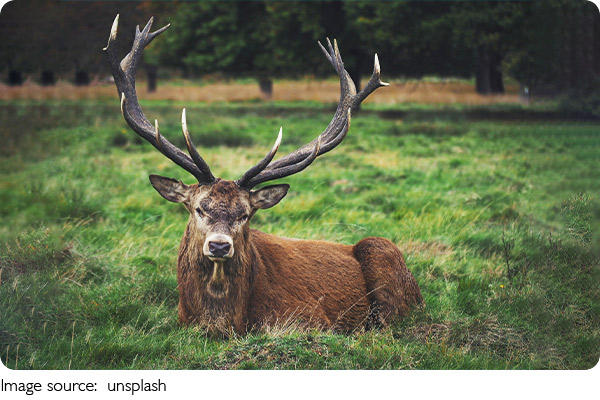
Walking through a misty forest or along an open meadow, you might catch a glimpse of a large, graceful animal grazing calmly in the distance. These are elk, also known as wapiti, moving with a mix of caution and confidence.
Observing them closely reveals fascinating patterns in how they feed, move, and interact, offering insight into their survival strategies.
Grazing and Feeding Patterns
Elk are primarily herbivores, and their feeding habits shape much of their daily routine. They spend a significant portion of the day grazing on grasses, leaves, and shoots, adjusting their diet seasonally depending on what's available.
1. Seasonal Shifts – In spring and summer, elk favor nutrient-rich grasses and forbs, which help them build energy for growth and reproduction. By late fall and winter, when fresh vegetation is scarce, they switch to hard-stemmed plants and twigs. Observers in national parks often notice elk moving from open meadows to forest edges as food availability changes.
2. Timing Strategy – Elk often feed in the early morning and late afternoon, avoiding the hottest parts of the day. Wildlife guides recommend observing them during these hours, as this is when they are most active and visible.
Herd Structure and Social Behavior
Elk are social animals, and their herd dynamics are crucial for protection and mating. Herds usually consist of females and young, while mature males form smaller bachelor groups outside the breeding season.
1. Dominance Hierarchies – Within herds, elk establish dominance based on age, size, and antler strength. This hierarchy influences access to food and mating opportunities. During the rutting season, dominant males gather harems and display their antlers to assert control. Observing a herd quietly can reveal subtle interactions, like gentle nudges or warning stances.
2. Group Safety – Herding provides safety through numbers. When threatened by predators, elk will alert each other with sharp calls, allowing the group to flee together. Trail cameras in forested areas often capture the coordinated movement of elk as a single unit, a natural defense mechanism that reduces individual risk.
Migration and Movement
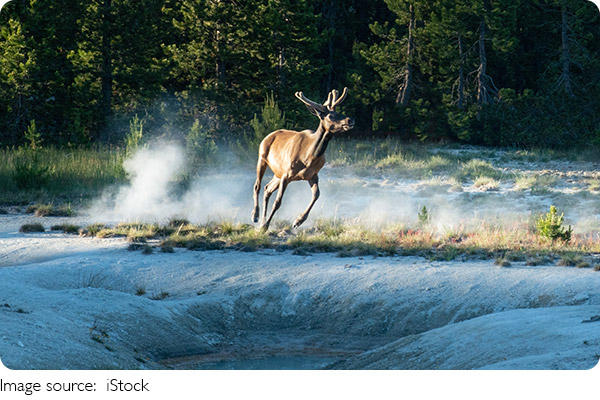
Elk are migratory in many regions, moving between summer and winter ranges to find food and shelter. These migrations can span tens of kilometers, and the routes are often passed down through generations.
1. Seasonal Routes – In mountainous regions, elk move to higher elevations in summer to access fresh vegetation and cooler temperatures. In winter, they descend to lower valleys where snow is lighter and food is easier to reach. Observers tracking GPS-collared elk have documented precise, repeatable patterns year after year.
2. Adaptive Flexibility – While migration is common, elk can adapt to smaller, localized movements in areas where food is plentiful year-round. This flexibility helps them survive in both remote wilderness and areas impacted by human activity. For wildlife enthusiasts, knowing where elk concentrate in different seasons can enhance observation opportunities.
Reproduction and Rutting Behavior
The rutting season is the most dramatic period in an elk's yearly cycle. Bulls compete for mates through vocalizations, displays, and sparring with antlers.
1. Bugling Calls – The iconic bugle serves multiple purposes: attracting females, warning rival males, and asserting dominance. In the early morning or evening, the haunting calls can carry for kilometers, marking the presence of a strong bull.
2. Strategic Courtship – Males often patrol their territories and monitor female movements. Observers note that bulls will carefully time their approaches and displays, conserving energy while maximizing chances of attracting mates. This strategy emphasizes patience and awareness over constant aggression.
Daily Rest and Shelter
Elk balance their feeding and movement with periods of rest. They prefer sheltered areas, such as forest edges or valleys, to avoid harsh weather and predators.
1. Resting Habits – Elk usually rest during the heat of midday, lying down in groups to maintain vigilance while conserving energy. Observers in open ranges often notice subtle ear movements, signaling alertness even while at rest.
2. Environmental Awareness – Choosing resting spots with clear sightlines helps elk detect threats early. Those in protected reserves show a strong preference for areas where they can feed nearby while maintaining escape routes.
Elk are a fascinating example of how social structure, seasonal movement, and feeding strategies intertwine to support survival. Observing their behaviors teaches patience, attentiveness, and appreciation for the subtle ways animals adapt to their environment. Next time you spot a herd in the distance, take a moment to watch—they offer a living lesson in balance, awareness, and resilience.