Scarlet Ibis: Wetland Jewel

Santosh Jha
| 11-02-2026
 · Animal team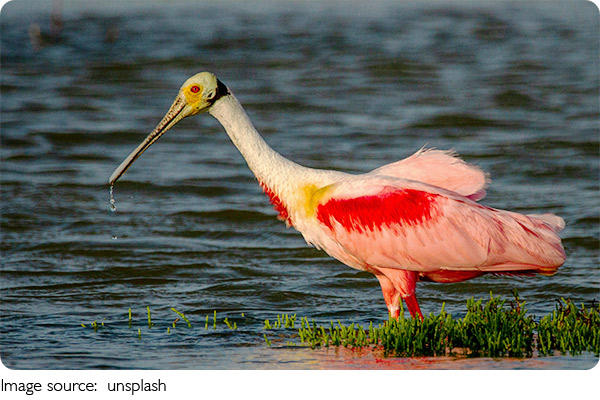
Watching a group of scarlet ibis wade gracefully through shallow waters is a moment that feels almost magical. Their brilliant red plumage seems to glow against the muted backdrop of marshes and mangroves, making them one of the most visually striking birds in the wild.
But the scarlet ibis is more than just a stunning appearance; its behaviors, feeding habits, and social interactions reveal a species finely tuned to its environment. Understanding these traits provides a window into how nature balances beauty and survival.
Why the Red Color?
The scarlet ibis's iconic red hue is more than just eye-catching; it reflects its diet and health.
1. Diet-based pigmentation – Their vivid coloration comes from carotenoid pigments in the crustaceans and small aquatic invertebrates they eat. These pigments are metabolized into the bright red feathers adults display.
2. Social signaling – Bright feathers indicate a healthy individual, useful during mate selection. More vibrant birds are often preferred by potential mates.
3. Seasonal changes – Juveniles are generally gray or pale, gradually developing red plumage as they consume carotenoid-rich food.
Example: If you ever observe a juvenile, you might notice faint pink tinges appearing first around the wings, showing the early stages of feather pigmentation.
Feeding Habits and Foraging
Scarlet ibises are wading specialists with feeding techniques adapted to wetland environments.
1. Probing in mud – Using their long, curved bills, they probe soft mud and shallow water to locate worms, crustaceans, and small mollusks.
2. Cooperative feeding – Often, ibises feed in groups, which helps stir up prey that would otherwise be hidden in the substrate.
3. Time of day – They usually feed during low tide when more mudflats are exposed, giving easier access to invertebrates.
Example: A group of five or six ibises walking in formation through a tidal pool is a perfect demonstration of cooperative feeding, maximizing their collective catch.
Social Life and Nesting
Scarlet ibises are highly social birds, thriving in colonies for safety and reproduction.
1. Breeding colonies – They build nests in mangroves or low trees, often in large groups to deter predators.
2. Shared parenting – Both parents are involved in incubating eggs and feeding chicks, ensuring higher survival rates.
3. Communal roosting – At night, they gather in large roosts, which helps reduce individual risk from predators and keeps the group alert.
Tip: Observing a colony during the early morning or late afternoon can reveal a complex web of social interactions, from nest maintenance to vocal communication between birds.
Migratory and Movement Patterns
Scarlet ibises are partially migratory, moving according to environmental conditions.
1. Seasonal movements – Some populations relocate following rainfall patterns or food availability in wetlands.
2. Short flights – While they can fly, they often walk through shallow waters to forage, conserving energy.
3. Group cohesion – Even in flight, they maintain tight formations, allowing for coordinated movements and protection against aerial predators.
Example: Watching a group take off together, their red wings create a moving ribbon of color against the sky—a display of both beauty and group strategy.
Conservation Insights
While not immediately endangered, scarlet ibises face habitat pressures that require attention.
1. Wetland protection – Preserving mangroves and tidal flats is essential for feeding and nesting.
2. Pollution awareness – Contamination of wetlands with chemicals can reduce the abundance of crustaceans, affecting their bright plumage.
3. Eco-tourism impact – Responsible wildlife viewing can support local economies while raising awareness about conservation.
Actionable example: Participating in guided eco-tours in wetland areas ensures minimal disruption to colonies while providing insight into sustainable wildlife observation.
The scarlet ibis reminds us how intricately color, diet, and social behavior are intertwined in the wild. Observing these birds can be mesmerizing, yet it's the deeper understanding of their survival strategies, cooperative life, and environmental adaptations that truly captivates. Next time you see their bright red wings against a reflective marsh, it's not just a splash of color—it's a story of nature's careful balance and the importance of protecting the delicate ecosystems they call home.