Bull Moose River

Raghu Yadav
| 10-02-2026
 · Animal team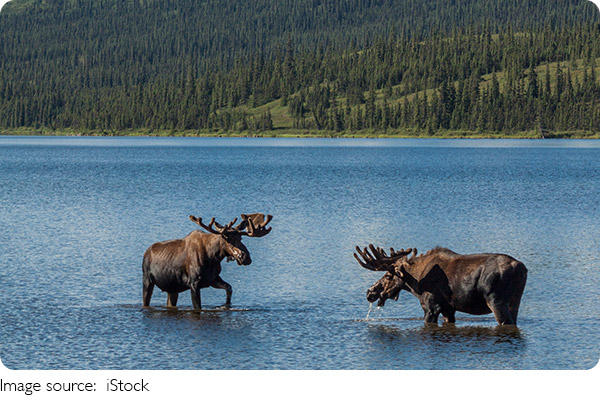
Early in the morning, by the edge of a quiet river, we spot a majestic bull moose with a young calf nearby. The male’s broad, palm-shaped antlers stretch wide, catching the first rays of sunlight, making him look truly impressive.
The calf, smaller and curious, stays close, learning the ways of the wild from the older moose. Watching them together, we see how nature blends power and care in a single moment.
Where They Roam
Bull moose thrive in northern forests across North America and parts of Europe. We often find them in boreal forests, mixed woodlands, and along rivers and wetlands where vegetation is plentiful. By the rivers, they can drink, graze, and even feed on aquatic plants, a special treat in their diet. Observing moose in these areas helps us understand their relationship with the environment—water sources are vital for their survival, especially during warm months.
Size and Majesty
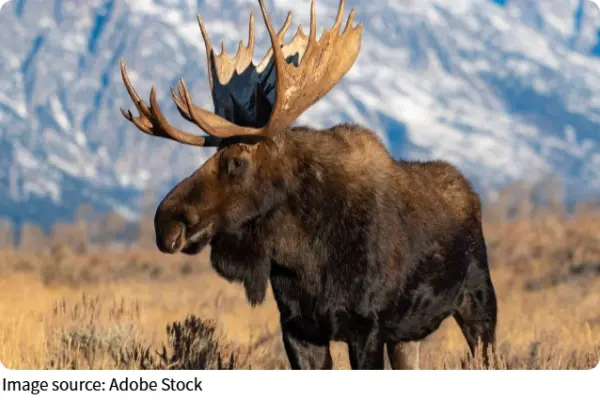
Mature bull moose are the largest members of the deer family. Their tall, muscular bodies and long legs make them powerful walkers in snow or swampy areas. The antlers are not just for show—they are used during the mating season to compete with other males and to display dominance.
Watching the bull moose near the river, we notice how calm it can appear, yet we know it has the strength to move quickly if startled. The contrast between the massive bull and the small, delicate calf is striking.
Feeding by the River
Moose are herbivores, and rivers are full of food for them. We see the bull bending down to nibble on aquatic plants, while the calf mimics the movements, learning what to eat. In summer, the river banks provide leafy plants, shrubs, and water lilies, while in winter, they switch to twigs and bark when greenery is scarce. This scene shows us the careful teaching and learning between generations in the wild, a bond that helps calves survive their first months.
Behavior and Interaction
Unlike many other deer, moose are mostly solitary. The bull may be alone most of the year, but in early summer, we sometimes spot a young calf nearby, under careful watch. We notice the gentle interactions between the older moose and young: soft nudges, protective positioning, and patience as the calf learns the surroundings.
Observing these behaviors reminds us that even the largest animals depend on care and learning during early life stages.
Staying Safe Around Moose
If we want to enjoy moose from riverside areas, patience and caution are key. Approaching too closely can startle them. Using binoculars or cameras from a safe distance allows us to capture their beauty without interference. Early morning or late evening is the best time to observe, as moose are most active during these hours. Dressing in muted colors and remaining still increases our chances of seeing natural behaviors up close.
Moose in Nature’s Balance
Witnessing a bull moose with a calf by the river gives us a window into the delicate balance of wildlife. We see strength, curiosity, and learning all in one scene. Lykkers, these moments teach us respect and admiration for wild animals, and the importance of preserving their habitats. Whether it’s in Alaska, Canada, or Scandinavia, riverside moose encounters are unforgettable, leaving us with memories of the wilderness that inspire and humble us.
Final Thoughts
The bull moose and its young calf embody the majesty and vulnerability of nature. Observing them by the river reminds us of the beauty, patience, and strength in wildlife. We leave the scene quietly, carrying a renewed appreciation for these gentle giants. Let’s continue to explore, respect, and protect moose and their river habitats, ensuring generations of us can witness such extraordinary wildlife moments.