Zebra Stripe Secrets
Owen Murphy
| 13-02-2026
 · Animal team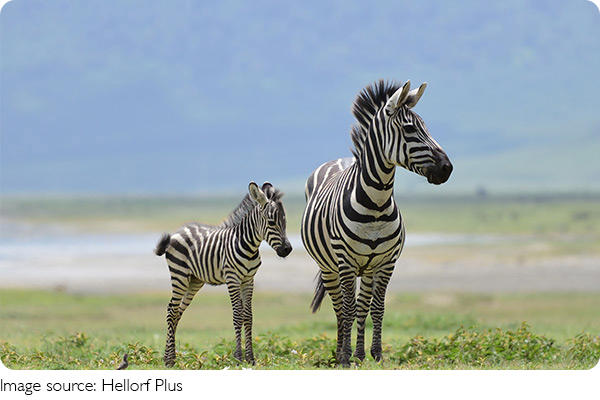
Watching a herd of zebras grazing in the golden light, it's easy to get mesmerized by their bold black-and-white patterns. At first glance, the stripes seem purely decorative, but these intricate designs hide a series of survival strategies that have fascinated scientists for decades.
Each stripe tells a story about evolution, protection, and social life on the savannah.
Stripe Patterns and Individual Identity
Zebra stripes are as unique as human fingerprints. No two zebras share the exact same pattern, which helps them identify each other within large herds. This visual cue is crucial, especially for mothers recognizing their foals in a crowd.
How it works: The brain of a zebra is tuned to spot subtle differences in stripe width, spacing, and direction. For instance, a mother zebra can spot her foal from over 100 meters away just by noticing these patterns.
Actionable insight: For wildlife photographers or safari guides, focusing on stripe patterns can help track and document individual zebras over time. Keeping a visual log of stripes is much more reliable than counting animals alone.
Camouflage in Motion
While black-and-white stripes might seem conspicuous, they serve as a surprisingly effective camouflage. When zebras move as a group, the stripes create an optical illusion that confuses predators, making it hard to target a single animal.
Why it works: Predators like lions rely on focusing on one target to make a successful hunt. The moving mass of stripes creates a “dazzle effect,” disrupting depth perception and motion tracking.
Example: A herd of 20 zebras running across open grasslands can appear as a shifting, unbroken pattern, making it difficult for a predator to isolate an individual. Safari guides often observe lions hesitate when attempting to single out a target from a tight group.
Temperature Regulation
Recent studies suggest stripes might help zebras regulate body temperature. Dark stripes absorb heat while light stripes reflect it, creating micro-air currents along the skin. These tiny flows could help cool the animal in hot savannah climates.
Practical insight: Observing zebras during midday, you might notice they prefer standing in mixed sun and shade. Their stripes work in tandem with behavior, maximizing cooling without expending extra energy.
Step to notice: Try noting the orientation of the stripes relative to the sun on a herd you see. Researchers have observed that the angle of the stripes can influence airflow, improving thermoregulation.
Insect Deterrence
Stripes may also act as a natural bug repellent. Certain biting flies find it harder to land on striped surfaces compared to solid-colored animals. This reduces irritation and lowers the risk of disease transmission.
How to observe: In areas with high fly activity, zebras tend to congregate in groups rather than isolated individuals. The visual confusion of multiple stripe patterns appears to repel insects effectively.
Actionable example: Livestock farmers sometimes use black-and-white striped cloth on herds of animals to mimic this effect, significantly reducing fly bites and stress in domestic animals.
Social Signals and Communication
Zebra stripes are more than camouflage—they play a role in social interactions. Changes in body posture, the tension of skin, and the way stripes align with movement can communicate mood or intentions.
Example: When threatened, a zebra might flare its hindquarters or arch its neck, making certain stripes more prominent. These visual cues alert herd members to danger without making noise, preserving stealth.
Tip for observers: Watch how stripe patterns seem to “shift” when zebras move their bodies. Subtle changes in pattern visibility can indicate dominance, submission, or readiness to flee.
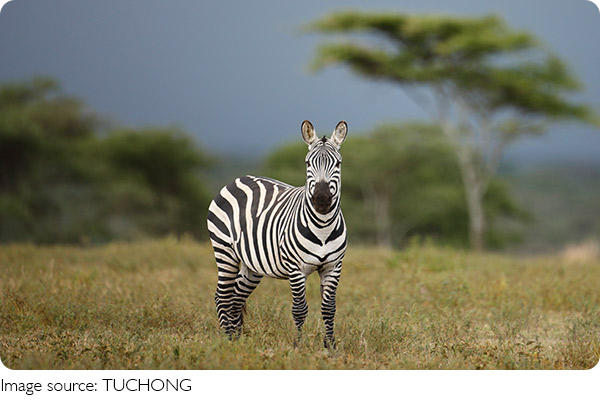
The next time you see a zebra, look beyond the striking black-and-white contrast. Each stripe carries multiple layers of meaning—from personal identity to predator evasion, temperature management, and social signaling. Understanding these patterns deepens our appreciation for the complexity of life on the savannah and reminds us that even something as simple as a stripe can be a masterpiece of evolution.
Zebra stripes aren't just decoration—they're a survival toolkit painted in black and white, blending art with biology in ways that continue to astonish researchers and safari-goers alike.