Colourful Macaw Wonders

Ethan Sullivan
| 14-02-2026
 · Animal team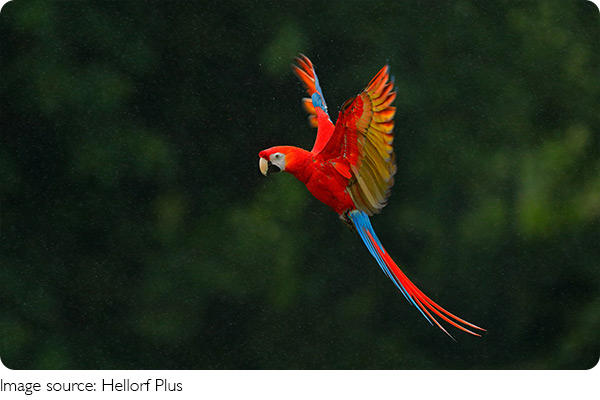
Walking through a tropical aviary, a flash of red, blue, and yellow immediately grabs your attention.
That's the macaw—a bird so vivid it looks painted. But their charm goes beyond colors; these birds are clever, social, and full of fascinating habits that make them one of the most beloved species among bird enthusiasts.
Striking Appearance and Adaptation
Macaws are instantly recognizable due to their brilliant plumage. Each species displays unique combinations of red, blue, green, and yellow feathers. Their long tails and strong curved beaks are not just for show—they help macaws navigate dense forests and manipulate food.
- Tips for Observing Colors: When watching macaws, notice how sunlight enhances the red feathers and how the blue feathers appear almost iridescent. Bird watchers often note that macaws will preen more in the morning when their colors are most vivid.
Intelligent and Social Birds
Macaws are known for their intelligence. They can solve puzzles, mimic human sounds, and even remember feeding routines. In the wild, they live in flocks of 10–30 birds, communicating constantly through calls, squawks, and body language.
- Practical Observation: At home or in a sanctuary, give a macaw simple toys or treats hidden in cups. You'll see how they use their beaks and feet together to retrieve items—an impressive display of problem-solving.
Specialized Diet and Feeding Habits
Macaws primarily eat nuts, seeds, and fruits. Their strong beaks allow them to access hard shells, giving them access to nutrient-rich kernels. Some species also consume clay from riverbanks, which helps neutralize toxins from certain seeds.
- Example Feeding Routine: Provide a varied diet in captivity, including almonds, walnuts, and fresh fruit. Rotating foods daily mimics natural foraging, keeping the birds mentally stimulated.

Flight and Physical Skills
Macaws are strong fliers, capable of navigating long distances in search of food. Their large wings, paired with lightweight bodies, allow agile maneuvers between trees. These birds often perform aerial displays, especially during mating season or social gatherings.
- Actionable Tip: If you're observing macaws in a sanctuary, watch for wing-flapping routines. These are exercises to strengthen muscles and maintain coordination—important even for birds not migrating long distances.
Bonding and Interaction with Humans
Macaws can form deep bonds with humans when raised in captivity or under rehabilitation programs. They enjoy interaction through talking, hand-feeding, and playful games. However, social stimulation is crucial; without it, macaws can become bored or stressed.
- Example Interaction: Spend 20–30 minutes daily with a macaw offering gentle verbal cues or teaching a simple trick, like retrieving a small toy. This strengthens trust and provides mental engagement.
Conservation Challenges
Many macaw species are threatened by habitat loss and the illegal pet trade. Conservation programs now focus on habitat preservation, breeding programs, and community education. Observing macaws responsibly means supporting sanctuaries and learning about their ecological role.
- Practical Support: Visiting certified aviaries or sanctuaries helps fund conservation efforts while giving you a chance to see natural behaviors up close. Documenting sightings and reporting illegal activity can also contribute to protection initiatives.
Walking away from a macaw exhibit, it's impossible not to feel a mix of awe and curiosity. Their dazzling colors are just the surface; their intelligence, social skills, and survival strategies reveal a complex, vibrant life. Spending time observing and understanding these birds offers a reminder of the beauty and resilience of wildlife. With awareness and respect, macaws can continue to captivate and inspire generations to come.