Siberian Cat Care Guide

Liam Reilly
| 26-02-2026
 · Animal team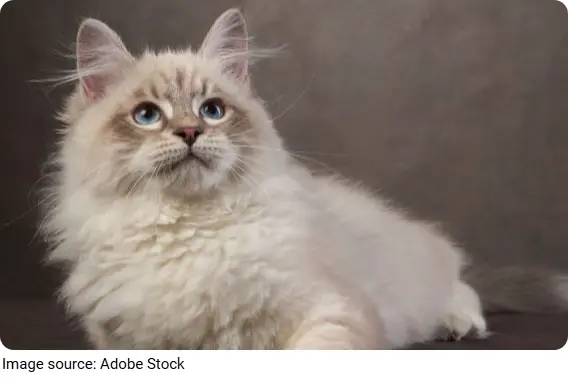
Watching a Siberian cat leap gracefully from a perch, it's easy to see why they're often called natural athletes.
Their thick, water-resistant fur and playful energy make them captivating companions—but they also come with specific care needs.
Understanding these needs ensures your Siberian stays happy, healthy, and connected with you.
Nutrition and Feeding
Siberian cats thrive on a balanced, high‑quality diet that meets their needs as a large, muscular, and active breed. A diet rich in animal‑based protein and essential nutrients supports their energy levels, maintains a healthy coat, and contributes to overall wellbeing. Wet food is especially beneficial since its higher moisture content helps support hydration and digestive health.
Older Siberians can also be given dry kibble in moderation, but portion control is important to help prevent unnecessary weight gain. When switching foods, introduce the new diet gradually over about a week (mixing increasing amounts of the new food with the old) to reduce the risk of digestive upset. Veterinarians also recommend feeding measured meals appropriate to your cat’s life stage, activity level, and body condition, and always ensuring fresh water is available.
Grooming and Coat Maintenance
Siberians have dense, triple-layered fur that can mat without regular care. Brushing keeps their coat smooth and reduces shedding.
Actionable steps:
Brush the cat at least three times a week using a wide-toothed comb to reach the undercoat.
Check and clean ears and eyes gently to prevent buildup.
Trim claws every two weeks, particularly for indoor cats, to prevent overgrowth and scratching damage.
Exercise and Enrichment
Intelligent and playful, Siberian cats need both physical activity and mental stimulation. Lack of engagement can lead to boredom or behavioral issues.
Suggestions:
Provide climbing structures like cat trees or shelves for vertical exploration.
Use interactive toys such as wand teasers, laser pointers, or puzzle feeders to challenge hunting instincts.
Rotate toys weekly to keep the environment interesting and prevent monotony.
Social Interaction
Siberians are social and affectionate, often following owners around and enjoying human companionship. They thrive in environments where they feel included.
How to encourage interaction:
Spend at least 15 minutes a day in focused play to build trust and connection.
Consider adopting a compatible companion cat if your Siberian is home alone frequently.
Use gentle petting and soft tones, as they respond well to calm and reassuring attention.
Health Monitoring
Routine veterinary care is essential to detect any health issues early. Siberians are generally healthy but may have genetic predispositions that require attention.
Practical steps:
Schedule annual check-ups including vaccinations, dental care, and general health screening.
Watch for signs of obesity, such as reduced activity or difficulty jumping, and adjust diet and exercise accordingly.
Note any changes in appetite, behavior, or coat condition, and consult a veterinarian promptly if needed.
Indoor Environment Safety
While Siberians can adapt to outdoor spaces, indoor life is safer and easier to manage. A secure, stimulating environment helps prevent accidents and keeps them content.
Tips for indoors:
Provide window perches for sunlight and visual stimulation.
Secure loose cords, small objects, or fragile items that could be knocked over or ingested.
Keep litter boxes clean and accessible, placing them in quiet areas to encourage consistent use.
Siberian cats are a blend of energy, affection, and curiosity. By addressing their dietary, grooming, and social needs, you create an environment where they flourish. Taking time for daily play and enrichment strengthens your bond and ensures your Siberian cat remains a vibrant, joyful companion for years to come.