Save Elephants Today!

Ravish Kumar
| 02-03-2026
 · Animal team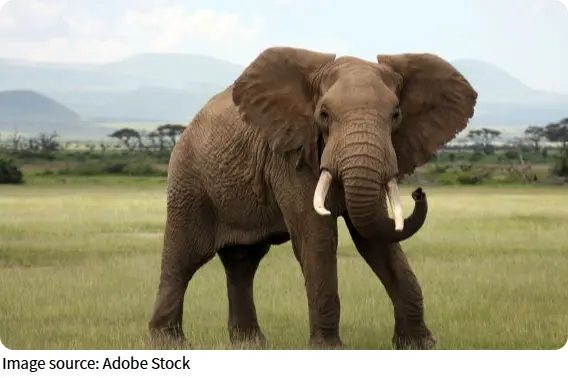
Elephants have long been symbols of strength, intelligence, and ecological balance. Yet today, these magnificent mammals stand at the brink of extinction in several parts of the world.
More than charismatic icons, elephants are vital ecosystem engineers — shaping landscapes, dispersing seeds, and supporting biodiversity. Understanding their plight requires a closer look at the species most at risk, the unique threats they face, and the solutions science and communities are deploying to secure their future.
Unraveling Elephant Diversity: The Main Threatened Species
Contrary to what many believe, there are not just one but several distinct species and subspecies of elephants — each with its own range, behavior, and conservation status.
1. African Forest Elephant (Loxodonta cyclotis)
The African forest elephant is smaller than its savanna counterpart, with straighter tusks and denser body hair. These elephants inhabit the dense rainforests of Central and West Africa. They play a pivotal role in maintaining forest health by spreading seeds of over 400 plant species, many of which depend exclusively on megafauna for regeneration.
However, forest elephants have experienced dramatic declines due to illegal ivory trade and habitat fragmentation from logging and mining. Recent genetic studies have confirmed that forest elephants are a distinct species — a realization that has intensified calls for stronger protection measures. Today, they are listed as Critically Endangered, with populations shrinking by more than 86% over the last three generations.
2. African Savanna Elephant (Loxodonta africana)
The African savanna elephant is the largest land animal on Earth, roaming expanses from East to Southern Africa. Recognizable by its expansive ears and curved tusks, this species thrives in grasslands, woodlands, and scrublands. Despite once numbering in the millions, savanna elephants now face increasing threats from poaching and human‑wildlife conflict.
Large tusks make them prime targets for illegal ivory hunters, while expanding agriculture forces them into contact with humans, often with fatal consequences. Although not as critically imperiled as forest elephants, savanna elephants are designated Endangered, with many populations in sharp decline.
3. Asian Elephant (Elephas maximus)
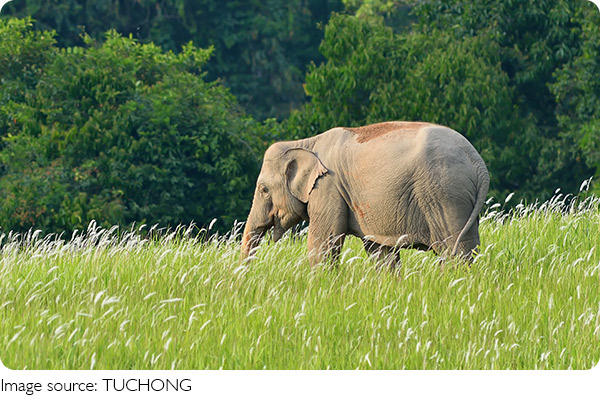
Asian elephants are smaller than African species, with distinct rounded ears and a more domed head. Their range stretches across South and Southeast Asia. Asian elephants exhibit complex social structures and remarkable cognitive abilities. This species faces a unique set of challenges.
Rapid urbanization, infrastructure development, and agricultural expansion have fragmented their habitats into isolated patches. As elephants wander in search of food and mates, they increasingly enter villages and farms, escalating conflict. Additionally, capture for tourism and cultural practices has further pressured wild populations. As a result, the Asian elephant is listed as Endangered on the IUCN Red List.
Primary Threats to Elephant Survival
The drivers pushing elephants toward extinction differ by region, but three major threats stand out globally:
1. Poaching and Illegal Trade
Ivory remains one of the most lucrative illegal commodities in the world. Despite international bans on ivory trading, criminal networks continue to exploit weak enforcement in source and transit countries. Poachers often use sophisticated tactics, including helicopters and night-vision equipment, to harvest elephants at industrial scales. In West and Central Africa particularly, poaching rates for forest elephants have surged, decimating entire family groups.
2. Habitat Loss and Fragmentation
Elephants require large territories to access sufficient food, water, and genetic diversity. But rapid human population growth has led to widespread land conversion for farms, roads, and urban zones. In Asia, elephant corridors — traditional migratory routes — have been severed by highways and plantations.
3. Human‑Elephant Conflict
As natural ranges shrink, elephants and humans compete for space. In agricultural hotspots, elephants raid crops, causing significant economic losses for rural communities. Retaliatory actions—either intentional or accidental—contribute significantly to elephant mortality. In addition, injuries from snares, traps, and electric fences further threaten individual animals.
Conservation Strategies: From Field to Policy
Efforts to protect elephants vary widely, but successful approaches share a commitment to science, local empowerment, and international collaboration.
1. Anti‑Poaching Patrols and Technology
On the ground, rangers are increasingly equipped with drones, GPS tracking, and real‑time monitoring tools to deter poachers. Innovative use of acoustic sensors can detect gunshots in remote areas, triggering rapid response teams. These technologies, paired with dedicated wildlife protection personnel, have demonstrably reduced poaching incidents in some reserves.
2. Protecting and Restoring Habitats
Conservationists are mapping critical elephant corridors — linking fragmented habitats to ensure genetic flow and seasonal migration. Legal protection of key landscapes, such as forest reserves and national parks, also contributes to long‑term habitat integrity.
3. Community Engagement and Conflict Mitigation
Transforming human‑elephant relationships is essential. Innovative strategies include early‑warning systems, bee‑hive fences (which deter elephants without harming them), and compensation schemes for crop losses. These initiatives help reduce conflict and build support among local people, whose cooperation is vital for sustainable conservation.
4. International Agreements and Policy Enforcement
International cooperation — such as the Convention on International Trade in Endangered Species (CITES) plays a critical role in regulating ivory markets. Strengthening legal frameworks and ensuring accountability in both source and consumer nations are necessary steps toward eliminating illegal trade.
Elephants are more than majestic giants; they are cornerstones of ecological health and cultural heritage. Their survival reflects the broader health of our planet and our ability to coexist with nature. While their challenges are enormous, the combination of scientific innovation, strengthened law enforcement, and community‑based stewardship offers a path forward. Protecting elephants isn’t just conservation; it’s a testament to the choices humanity makes about life on Earth.