Majestic Jungle King

Owen Murphy
| 02-03-2026
 · Animal team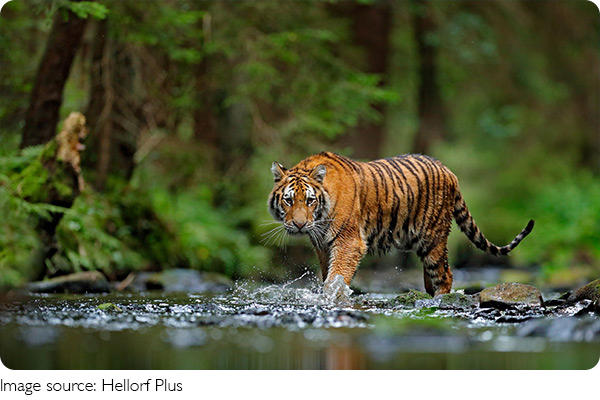
let us step into the wild and meet the Royal Bengal Tiger, one of the most powerful and impressive big cats on our planet.
As we explore its habitat, behavior, population trends, and the protection efforts surrounding it, we begin to understand not only its strength, but also its importance to the natural world. The more we learn about this magnificent animal, the deeper our connection with nature becomes, and the clearer it is why conservation truly matters.
Understanding the Royal Bengal Tiger
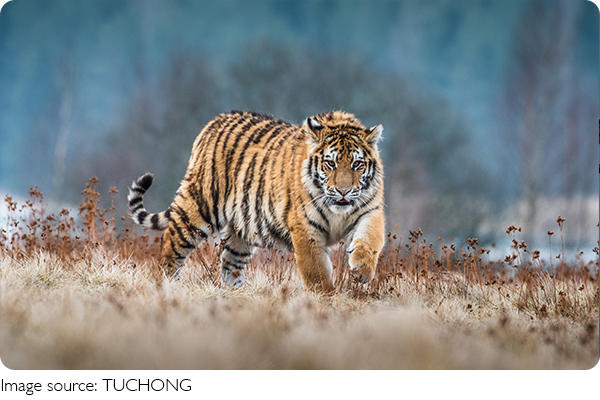
The Royal Bengal Tiger is one of the largest tiger subspecies in the world. It belongs to the genus Panthera and stands at the top of the food chain in its ecosystem. Its bright orange coat with dark vertical stripes makes it easy to recognize. Each tiger has a unique stripe pattern, much like a fingerprint, which helps researchers identify individuals in the wild.
A fully grown male can weigh over 200 kilograms and measure nearly 3 meters from head to tail. Females are slightly smaller but equally agile and strong. Their powerful muscles and sharp senses allow them to survive in challenging environments.
Where We Find Them
The Royal Bengal Tiger lives mainly in South Asia, including forest regions of Bangladesh, Nepal, and Bhutan. It prefers habitats with dense vegetation, access to fresh water, and abundant prey. We can find them in tropical forests, mangrove swamps, and grasslands.
These environments provide natural cover for hunting. Tigers rely on stealth rather than speed. They quietly approach prey before making a short, powerful charge. Because they need large territories, protecting continuous forest areas is essential for their survival.
Population and Current Situation
Over the past decades, tiger numbers have faced serious decline due to habitat loss and illegal hunting. However, conservation efforts have helped stabilize and even increase populations in certain protected areas.
Wildlife authorities conduct regular surveys using camera traps and tracking techniques. By analyzing stripe patterns and movement data, experts estimate population size and monitor health trends.
Although recovery signs are encouraging, the Royal Bengal Tiger remains a vulnerable species. Continuous protection and responsible land management remain necessary to ensure long term survival.
Main Threats We Must Address
Habitat fragmentation remains one of the greatest threats. Expanding agriculture, infrastructure, and human settlements reduce forest space. When forests break into smaller sections, tigers struggle to find mates and maintain genetic diversity.
Illegal hunting also impacts the population. Strong enforcement, ranger patrols, and stricter penalties help reduce these activities. Community awareness plays a vital role in discouraging wildlife trade.
Human-wildlife conflict is another challenge. When natural prey decreases, tigers may approach livestock areas. To reduce tension, communities use better livestock shelters and early warning systems. Cooperation between local residents and wildlife teams creates safer outcomes for both sides.
Conservation Efforts We Support
Protected reserves are central to tiger survival. These areas limit deforestation and provide secure breeding grounds. Wildlife corridors connect separated forests, allowing safe movement between territories.
Technology strengthens conservation work. GPS collars, camera traps, and satellite monitoring provide valuable data. This information helps scientists design better management plans.
Education programs encourage respect for wildlife. When communities understand the ecological importance of tigers, they become active partners in protection efforts. Sustainable tourism also creates economic incentives for conservation without harming natural habitats.
Why the Royal Bengal Tiger Matters to Us
As a top predator, the Royal Bengal Tiger maintains ecological balance. By controlling herbivore populations, it protects vegetation and forest health. Healthy forests store carbon, protect water sources, and support countless other species.
When we protect the tiger, we protect an entire ecosystem. Its presence signals a strong and functioning environment.
Supporting conservation organizations, spreading correct information, and respecting wildlife regulations are simple but powerful actions we can take. Every effort contributes to long term success.
Our Shared Responsibility
The Royal Bengal Tiger symbolizes strength, beauty, and resilience. Although progress has been made, its future still depends on careful protection and shared responsibility.
Lykkers, if we value nature, we must act together. Through awareness, support, and sustainable choices, we help ensure that future generations can witness this magnificent animal roaming freely in the wild.
Together, we protect. Together, we preserve.
ROYAL BENGAL TIGER - The Most Majestic Feline
Video by WildFacts