Duck Adaptations

Caroll Alvarado
| 03-03-2026
 · Animal team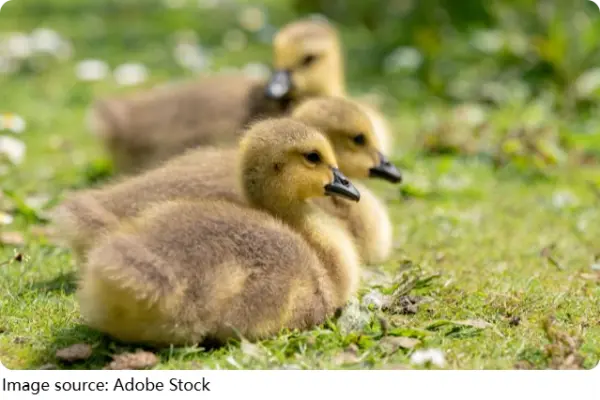
A duck glides across a pond, leaving gentle ripples behind. Its quack echoes softly, and its feet paddle beneath the surface in rhythmic motion.
At first glance, it seems ordinary, yet these birds hide remarkable abilities that few people notice.
From unique communication skills to unexpected physical adaptations, ducks are full of surprises.
Physical Adaptations for Life in Water
1. Waterproof Feathers
Ducks have specialized feathers coated with natural oils produced by the preen gland near their tails. This waterproofing allows them to stay dry even when diving or swimming for long periods. The feathers also provide insulation, keeping them warm in cold water while maintaining buoyancy for effortless floating.
2. Webbed Feet for Efficient Swimming
A duck's webbed feet act like natural paddles. Each toe is connected by a thin membrane, creating a broad surface that pushes against water. This adaptation allows ducks to swim swiftly and maneuver precisely, whether chasing food or escaping predators. On land, the same feet help distribute weight on soft surfaces such as mud or snow.
3. Unique Bill Structure
Duck bills are not just for quacking—they are carefully adapted for feeding. Many species have comb-like ridges called lamellae along the edges, which help filter food such as small plants, insects, and crustaceans from water. This efficient design allows ducks to separate nutrition from water with minimal effort.
Surprising Behaviors and Communication
1. Quacks and Vocal Communication
While the quack of a female mallard is familiar, ducks produce a wide range of vocalizations. These sounds can indicate alarm, location, or social interaction within a flock. Studies show that ducklings recognize their mother's call almost immediately after hatching, demonstrating early communication skills.
2. Migratory Navigation Skills
Many duck species migrate thousands of kilometers each year. They navigate using a combination of visual landmarks, the sun's position, and the Earth's magnetic field. This remarkable sense of direction ensures they reach breeding grounds or wintering sites reliably, even over vast distances.
3. Social and Cooperative Behavior
Ducks are social creatures, often forming flocks for feeding and migration. Within these groups, they establish hierarchies and cooperative strategies, such as taking turns leading during flight. This coordination improves energy efficiency and protects younger or weaker individuals from threats.
Extraordinary Senses and Survival Skills
1. Exceptional Vision
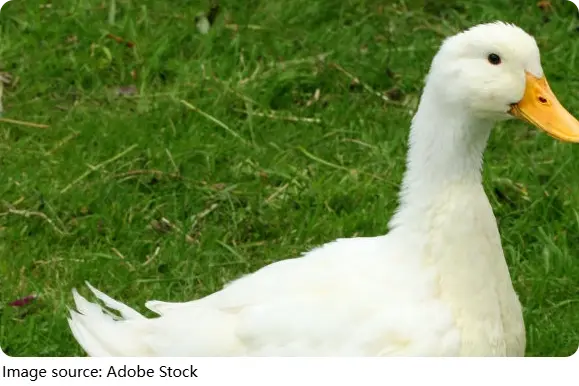
Ducks have eyes positioned on the sides of their heads, providing a wide field of vision—almost 300 degrees. This allows them to detect predators approaching from almost any direction while foraging. Their color vision is also highly developed, aiding in food detection and mate selection.
2. Temperature Regulation
Ducks can regulate their body temperature efficiently even in extreme conditions. Blood flow to the feet is adjusted to minimize heat loss, while feathers trap air to insulate against cold water. These adaptations allow them to thrive in diverse climates, from icy lakes to tropical wetlands.
3. Rapid Growth and Early Independence
Ducklings grow quickly and are capable of swimming and foraging shortly after hatching. This early independence increases their survival chances in the wild. In addition, the protective behavior of the mother ensures they learn essential survival skills while remaining safe from predators.
Watching ducks in their natural environment reveals a delicate balance of physical ability, social intelligence, and survival strategy. From gliding effortlessly on water to communicating through complex calls, these birds demonstrate a combination of efficiency and adaptability that often goes unnoticed.
Even a common pond duck is a marvel of evolution, perfectly equipped for aquatic life. Observing their behaviors provides insight not only into their survival but also into the intricate connections between anatomy, instinct, and environment. Each ripple, quack, and glide tells a story of resilience, cleverness, and life finely tuned to the water.