Protecting the Gentle Giants

Arvind Singh
| 04-03-2026
 · Animal team
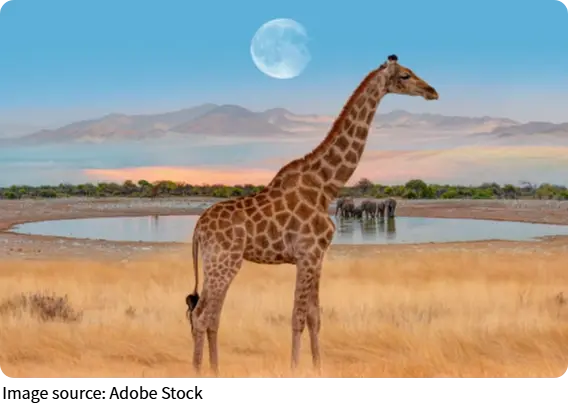
In the golden light of an African savanna, a giraffe stretches its long neck to nibble on the highest leaves of an acacia tree. Its graceful silhouette against the horizon seems eternal, yet these gentle giants are facing unprecedented challenges.
Once common across much of Africa, giraffe populations have been declining steadily, and without urgent action, the iconic spots and towering presence of these animals may become rare in the wild. Exploring the threats giraffes face and the conservation efforts underway helps us understand the delicate balance required to preserve their future.
Major Threats to Giraffes
1. Habitat loss and fragmentation
Rapid human expansion, agriculture, and infrastructure development reduce the open savanna and woodland areas giraffes depend on. Roads, fences, and settlements fragment their habitat, making it difficult for herds to find food, water, and mates. This isolation increases vulnerability to predation and limits genetic diversity.
2. Poaching and illegal hunting
Giraffes are targeted for their meat, hides, and tails, which are used in traditional crafts and cultural practices. Although not as heavily hunted as elephants or rhinos, localized poaching can significantly impact small populations, especially in areas where law enforcement is limited.
3. Environmental and climate challenges
Droughts, wildfires, and seasonal variations in rainfall affect the availability of foliage for feeding. Extended dry periods force giraffes to travel longer distances for nutrition, exposing them to predators and human conflict. Climate change exacerbates these challenges, altering ecosystems faster than many species can adapt.
Population Decline and Current Status
1. Numbers and distribution
The global giraffe population has fallen by over 40 percent in the last three decades. Subspecies such as the Kordofan and Nubian giraffes are now critically endangered, with only a few hundred individuals remaining in the wild. Other populations remain vulnerable due to fragmented habitats and increasing human activity.
2. Conservation status classifications
The International Union for Conservation of Nature (IUCN) classifies giraffes as “Vulnerable,” signaling that without intervention, further decline is likely. These classifications guide funding, research, and policy decisions aimed at safeguarding the species.
3. Monitoring and research
Conservationists track giraffe populations using aerial surveys, GPS collars, and field observations. Accurate population data is essential to identify high-risk areas, plan protected reserves, and implement targeted anti-poaching measures.
Global Conservation Efforts
1. Protected areas and reserves
National parks and wildlife reserves, such as Kruger National Park in South Africa and Niokolo-Koba National Park in Senegal, provide safe habitats for giraffes. These areas limit human interference, control poaching, and preserve critical feeding grounds.
2. Community engagement
Conservation success often depends on local communities. Programs that involve residents in monitoring, eco-tourism, and education create incentives to protect giraffes rather than exploit them. Awareness campaigns highlight the ecological and economic importance of these animals.
3. Rescue, relocation, and captive breeding
In some cases, giraffes are relocated to safer habitats or breeding programs are established to increase population numbers. Zoos and wildlife sanctuaries also play a role in maintaining genetic diversity and educating the public about giraffe conservation.
Taking Action for the Future
1. Supporting wildlife organizations
Individuals can contribute to conservation through donations, volunteering, or supporting ethical tourism initiatives that fund habitat protection and anti-poaching programs.
2. Educating others
Raising awareness about the threats giraffes face encourages broader societal support for conservation. School programs, documentaries, and social media campaigns help people understand the species' importance and vulnerability.
3. Responsible environmental practices
Reducing deforestation, supporting sustainable agriculture, and advocating for policies that protect natural habitats indirectly benefit giraffes and countless other species sharing the ecosystem.
Giraffes are more than symbols of the African wilderness—they are keystone species, shaping their environment through grazing patterns and maintaining ecological balance. Preserving their populations requires global awareness, local engagement, and sustained conservation efforts. Watching a giraffe stretch across the horizon is a reminder that the survival of such majestic creatures depends not only on their resilience but on human choices today. By understanding their challenges and supporting protection efforts, we ensure that these gentle giants continue to grace the savannas for generations to come.