Full Curl Ram Secrets

Finnegan Flynn
| 06-03-2026
 · Animal team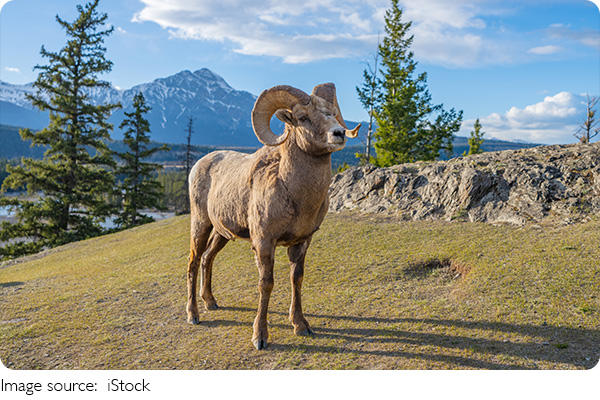
A hiker pauses along a rocky desert ridge and suddenly spots a silhouette standing above the canyon.
At first it looks like a strange spiral shape against the sky. Then the animal turns its head, and the sunlight reveals the enormous curved horns of a desert bighorn ram. That dramatic spiral, known as a full curl, is one of the most remarkable features in the wild.
The horns of a mature desert bighorn ram are more than just decoration. They tell a story of age, survival, competition, and adaptation to some of the harshest landscapes on the continent. Understanding what a full curl means reveals how extraordinary these animals truly are.
The Meaning of a Full Curl
- A Sign of Maturity
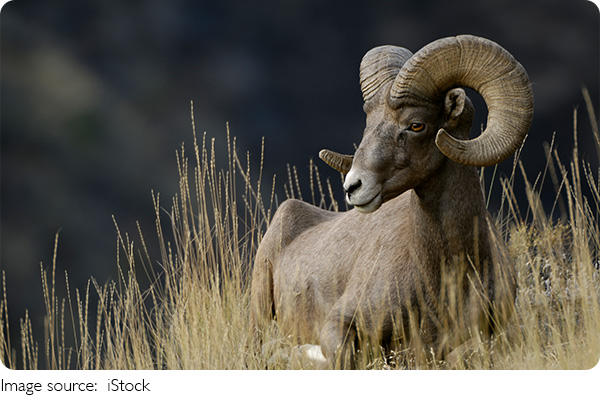
A “full curl” refers to the shape of a ram's horns when they grow in a complete spiral that reaches or passes the line of the eye when viewed from the side. This level of growth takes many years to achieve.
Desert bighorn sheep typically add new horn growth each year. These annual layers create visible rings, somewhat similar to growth rings in trees. By counting them, wildlife biologists can estimate a ram's age.
Most rams reach full curl status around seven to nine years old. Reaching that age in the wild is impressive because desert environments are demanding. Limited water, rugged cliffs, and natural predators mean many animals never live long enough to grow such massive horns.
- A Symbol of Strength
Large curled horns also signal strength and health. During mating season, rams compete for dominance through dramatic head-to-head clashes.
Two rams may charge toward each other across open ground and collide with a loud thud that echoes across the canyon walls. Their horns act as protective shock absorbers. The spiral shape helps distribute the force of impact, protecting their skulls and brains.
Only the strongest and most experienced rams tend to dominate these contests. A full curl ram therefore represents years of survival and successful competition.
- Built for Harsh Landscapes
Desert bighorn sheep live in steep, rocky terrain where temperatures can swing dramatically between day and night. Their horns continue growing throughout their lives and may weigh more than 25 pounds in large individuals.
Despite this weight, the animals remain agile climbers. Their muscular shoulders and specialized hooves allow them to move across narrow ledges and cliffs where few predators can follow. The horns may appear cumbersome, but experienced rams carry them with remarkable balance.
Why the Horn Shape Matters
- A Natural Defense System
The spiral design of the horns is not random. The curve acts like a built-in shock absorber. When two rams collide during dominance contests, the impact force travels along the curve rather than straight into the skull.
This design helps reduce injury during repeated clashes. Wildlife researchers studying these animals have observed that the horn structure, combined with thick skull bones and specialized sinuses, allows rams to endure powerful impacts.
- A Record of Survival
Every year of a ram's life adds another visible growth ring. Harsh seasons can slow horn growth, while healthy years produce thicker bands.
Because of this pattern, the horns become a kind of biography carved in keratin. Biologists can study these rings to learn about drought cycles, food availability, and environmental conditions in a particular region.
In other words, the horns do more than impress observers—they preserve ecological history.
- A Visual Language in the Wild
Among desert bighorn sheep, horns communicate status without constant fighting. Younger rams often recognize the size and curl of an older ram's horns and avoid unnecessary challenges.
This visual hierarchy helps reduce injuries within the herd. A mature full curl ram may maintain dominance largely through presence alone, saving energy that would otherwise be spent on repeated confrontations.
A Rare Sight Worth Protecting
- Masters of Desert Survival
Desert bighorn sheep are highly specialized animals. They can travel long distances between water sources and survive on sparse vegetation found in rocky terrain.
Their excellent eyesight allows them to detect movement from far away, while their climbing ability gives them quick access to steep escape routes.
- Sensitive to Environmental Change
Although they appear rugged, desert bighorn sheep are sensitive to habitat disruption. Water availability, human disturbance, and habitat fragmentation can all influence herd health.
Conservation programs in many regions now focus on protecting migration corridors and maintaining safe access to water sources.
- A Symbol of Wild Landscapes
Seeing a full curl ram standing on a cliff edge often leaves a lasting impression. The animal embodies resilience, patience, and the slow passage of time in nature.
Those massive horns did not grow overnight. They represent nearly a decade of surviving scorching summers, cold desert nights, and fierce competition.
Watching such a creature quietly survey its rocky kingdom reminds us how much patience nature requires. The next time a spiral silhouette appears on a distant ridge, it might not just be another animal—it could be a living record of years spent mastering one of the toughest environments on Earth.