Canada Geese

Arvind Singh
| 06-03-2026
 · Animal team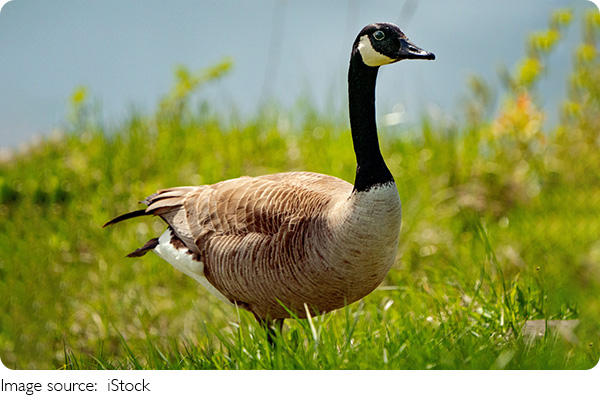
Walking near a lake or park, it's hard not to notice a flock of Canada geese gliding across the water or honking from the sky.
Their familiar V-shaped flight pattern is a staple of North American landscapes, yet behind this seemingly ordinary sight lies a complex set of behaviors and remarkable adaptations.
Canada geese are more than migratory birds—they are social strategists, resilient survivors, and skilled navigators of both land and air.
Migration Mastery
1. Precision in Flight
Canada geese are famous for their V-shaped formation, which is more than a picturesque spectacle. This formation reduces air resistance, allowing each bird to save energy by taking advantage of the upwash from the wings of the bird in front. Leading birds rotate regularly, ensuring no individual tires prematurely during long migrations.
2. Long-Distance Travelers
Some populations of Canada geese travel thousands of miles each year, from the Arctic tundra to southern United States or even northern Mexico. These journeys require incredible endurance, navigation skills, and the ability to rest strategically along lakes, rivers, and wetlands.
3. Remarkable Navigation
Canada geese use a combination of environmental cues, including the sun, stars, and magnetic fields, to maintain precise migratory routes. Young geese learn these routes from older flock members, demonstrating both inherited instincts and social learning.
Social Structure and Behavior
1. Lifelong Partnerships
Canada geese are monogamous and typically mate for life. Pairs work together to raise goslings, defend territory, and coordinate migratory flights. Their enduring partnerships contribute to the survival of their offspring and strengthen flock cohesion.
2. Hierarchies Within Flocks
Within large groups, geese establish social hierarchies that influence feeding order, resting positions, and leadership during flight. Dominant individuals often guide younger or weaker members, maintaining order and efficiency.
3. Communication and Coordination
Honking is not just noise; it is a sophisticated communication system. Geese use vocal signals to maintain spacing in flight, warn of danger, and coordinate movements while foraging or swimming. Each call conveys specific information understood by the flock.
Survival Skills and Adaptations
1. Seasonal Flexibility
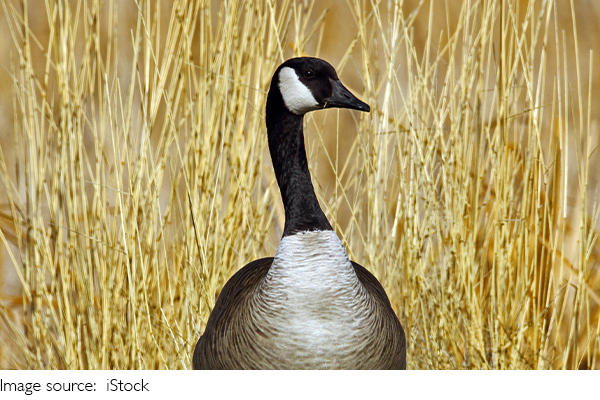
Canada geese can adapt to a wide range of climates and habitats, from Arctic tundra to urban parks. They adjust diet and behavior to available resources, consuming grasses, aquatic plants, grains, and even insects when necessary.
2. Anti-Predator Strategies
Geese are vigilant and protective. Adults often form defensive circles around goslings when threatened, and loud honking can deter predators. Their size, wingspan, and aggression make them formidable against smaller threats.
3. Urban Adaptation
In many cities, Canada geese have successfully adapted to human environments, finding open lawns, ponds, and golf courses as feeding grounds. Their ability to coexist with people demonstrates flexibility and opportunistic survival skills.
Watching Canada geese in action—whether gliding across a pond, honking from a park, or flying in formation against the sunset—reveals more than a familiar sight. These birds exemplify endurance, social intelligence, and adaptability, reminding us that even common species possess extraordinary complexity. Observing them carefully can deepen appreciation for nature's intricate designs and inspire a sense of connection to the cycles of life and migration around us.