Cat Care Schedule

Raghu Yadav
| 30-03-2026
 · Animal team
We all know that bringing a cat home is exciting, but keeping them happy and healthy requires some routine. For new cat owners, knowing exactly when and how to care for your furry friend can make life much easier.
Today, we’re sharing a detailed cleaning and care schedule for cats that covers daily, weekly, biweekly, monthly, quarterly, and half-yearly tasks. Let’s dive in and make sure our cats thrive!
Daily Care Essentials
Every day, we need to pay attention to a few simple but important habits.
- First, brushing their fur helps maintain smooth, tangle-free hair and strengthens our bond with them. Use a soft brush and comb from front to back to minimize hair shedding.
- Next, cleaning the cat’s bowls is key. Cats eat with their paws and whiskers close to the bowl, and leftover oils can accumulate. Stainless steel or glass bowls are ideal because they’re easy to clean and prevent buildup that can lead to black chin spots.
- Scooping litter is a must. We should remove waste promptly after our cat uses the litter box, as some cats might refuse to use a dirty box. Afterward, gently wiping their bottom with a damp cloth can prevent discomfort, especially if they have soft stools.
- Lastly, refresh their food and water daily. Cats prefer fresh water, so refill the bowl in the morning and evening. Adding a little extra food before bedtime ensures they stay satisfied overnight.
Weekly Cleaning Routines
Once a week, we focus on areas that need a little more attention.
- Use a wet wipe to clean your cat’s chin, checking for any black spots. Gently clean around their eyes to remove discharge and prevent tear stains or irritation.
- Cleaning paw pads is important too. Even though cats lick their paws, we can help remove dust and bacteria weekly to keep them healthy.
- Ear cleaning requires care: hold your cat’s head steady, apply ear drops, massage the base gently, then let your cat shake its head. Wipe any remaining liquid with a cotton pad.
- Teeth should be brushed weekly to prevent dental issues and keep their breath fresh.
Biweekly Tasks
Every two weeks, trimming nails is important. Press the paw pad to expose the nail and carefully cut, avoiding the quick. Using treats can help distract uncooperative cats.
Long-haired cats benefit from trimming foot fur to prevent slipping while running or playing.
Cat litter should be fully replaced every two weeks. Choose low-dust options to protect respiratory health.
Monthly Maintenance
Each month, we focus on deeper cleaning.
- Wash the litter box with soapy water and let it air dry to prevent bacterial buildup. The cat’s bed should also be cleaned and sun-dried to reduce germs and dust.
- Home cleanliness matters, too. Vacuum under sofas, beds, and cabinets where cats love to explore, ensuring a safe and clean environment.
- For outdoor cats, apply topical parasite treatment monthly. Indoor cats can usually follow a two-month schedule. Apply the drops to the skin as directed for effective protection.
Quarterly Care
Every three months, clean cat scratchers by removing paper debris and nail remnants to keep them sanitary.
Internal parasite control is also important. Give deworming medicine internally every 3–4 months. Outdoor cats may need it every two months. Pills can be mixed with wet food or placed carefully in the side of their mouth. After treatment, probiotics can help prevent stomach upset and support overall health.
Toys also need cleaning. They can carry saliva and germs, so replace broken toys and wash the rest regularly.
Half-Yearly Tasks
Every six months, wash cat carriers used for trips or vet visits. Frequent cleaning keeps them hygienic.
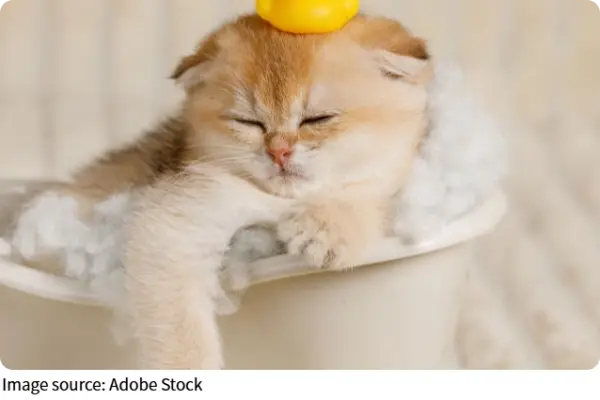
Bathing is rarely needed since cats self-clean, but when necessary, keep water around 39°C, rinse thoroughly, and dry immediately to prevent dehydration.
Finally, deep clean carpets and curtains where cats like to lounge. Even if dust seems minimal, a thorough cleaning every six months helps maintain a healthy home environment.
Wrapping Up
With this schedule, we can keep our cats happy, healthy, and comfortable. Following daily, weekly, biweekly, monthly, quarterly, and half-yearly tasks may seem like a lot, but breaking them into manageable steps makes cat care stress-free. Lykkers, remember, a clean and well-cared-for cat is a happy cat—and a happy cat means a joyful home for all of us!