Pets Boost Kids' Growth

Owen Murphy
| 30-03-2026
 · Animal team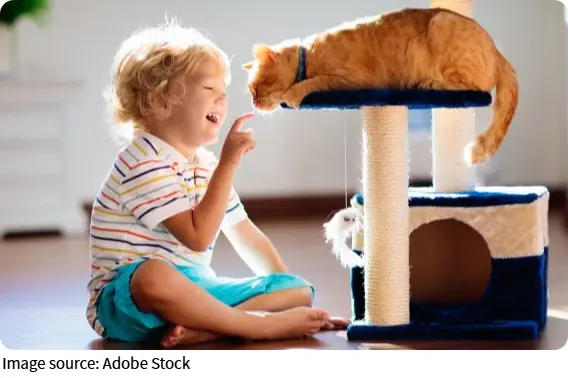
Have you ever noticed how a child's face lights up when they're playing with a puppy or petting a kitten?
The bond between children and their pets can be a powerful force in a child's emotional and social development. Beyond the joy pets bring, they offer benefits that go far beyond companionship.
Let's dive into the positive impact pets have on children's growth and development.
Emotional Development: Building Empathy and Responsibility
One of the most significant ways pets contribute to children's development is by helping them develop emotional intelligence. Caring for a pet can teach children about empathy, kindness, and responsibility.
1. Teaching Empathy: When children care for a pet, they learn to recognize the needs and emotions of another living being. They understand that pets have feelings too, which helps kids become more empathetic and aware of the world around them.
2. Building Responsibility: Taking care of a pet requires commitment. Children learn to feed, groom, and clean up after their pets, which teaches them responsibility. These tasks can help children feel a sense of accomplishment and pride.
3. Managing Emotions: Pets provide unconditional love and companionship, helping children manage their emotions. When kids feel sad or anxious, spending time with a pet can provide comfort and reduce stress.
For example, a child who feeds their dog every morning learns the importance of consistency and taking care of something beyond themselves. Over time, they may grow more attuned to their pet's needs, fostering a sense of care.
Social Skills: Enhancing Interaction and Communication
Pets also play a role in developing children's social skills. Interacting with pets can provide valuable lessons in non-verbal communication, turn-taking, and patience—skills that are important for friendships and relationships.
1. Learning Non-Verbal Cues: Pets don't speak our language, so children must learn to understand non-verbal communication. This can enhance their ability to read body language, both in animals and humans.
2. Improving Communication: Kids often talk to their pets as if they are conversing with another person. This helps children practice their speaking skills and improves their ability to communicate their thoughts and emotions.
3. Patience and Cooperation: Taking care of a pet and playing with them teaches patience. Pets require time and attention, and children must learn to wait for their pet to respond, which can improve their ability to cooperate and interact with others.
An example of this is a child who learns how to gently call their pet when it's time for a walk, waiting for the animal to respond. This teaches them how to communicate and wait for someone else's actions, which is crucial in peer interactions.
Physical Activity: Encouraging an Active Lifestyle
Pets, especially dogs, encourage children to be more physically active. Whether it's going for a walk, playing fetch, or simply running around the yard, pets help children get outside and move.
1. Increased Exercise: Pets, particularly active breeds like dogs, require regular walks and playtime. This naturally encourages children to be more physically active, reducing the likelihood of a sedentary lifestyle.
2. Improved Health: Research has shown that children with pets tend to have stronger immune systems. Exposure to animals can help build resistance to common allergies and illnesses.
3. Developing Motor Skills: Running, jumping, and playing games like tug-of-war or fetch help children improve their coordination and fine motor skills.
For example, a child who regularly plays fetch with their dog gets exercise while improving their coordination and balance.
Psychological Benefits: Reducing Stress and Anxiety
Having a pet can also benefit children's mental health by providing emotional support and reducing stress. Pets offer companionship, which can help kids feel less lonely or anxious.
1. Stress Relief: Studies have shown that spending time with pets can reduce stress and anxiety. When children interact with their pets, their levels of cortisol (the stress hormone) decrease, and their levels of oxytocin (the bonding hormone) increase.
2. Improved Self-Esteem: Pets provide children with a sense of purpose. Taking care of a pet helps children feel needed and valuable, which can improve their self-esteem and confidence.
3. Support During Difficult Times: Pets offer comfort to children during challenging moments, such as moving to a new home or dealing with school stress. The calming presence of a pet can ease anxiety and help children cope with changes.
For instance, a child who is anxious about a new school year may find comfort in their pet, knowing they have a reliable source of unconditional affection and companionship.
Cognitive Benefits: Enhancing Learning and Problem-Solving Skills
Pets can also contribute to cognitive development in children. By interacting with pets, children can improve their problem-solving skills and cognitive abilities.
1. Learning to Solve Problems: Pets often require creative thinking to solve problems, such as figuring out how to train a dog or teach a cat a trick. These activities engage children's brains and help improve their problem-solving abilities.
2. Focus and Attention: Taking care of a pet requires attention to detail, such as ensuring they are fed on time, given enough exercise, and their health is monitored. This teaches children to focus and stay organized.
3. Academic Benefits: Studies have shown that children who grow up with pets tend to do better academically. The skills they develop through pet care—like responsibility, focus, and time management—can translate to better performance in school.
For example, a child who trains their dog to perform tricks may develop better attention to detail and patience, both of which can benefit them in their studies.

Final Thoughts
The positive impact of pets on children's development cannot be overstated. From emotional growth to physical activity, pets provide children opportunities to learn valuable life skills. They teach empathy, responsibility, patience, and communication—all while offering love and companionship. By introducing a pet into your child's life, you're not just adding a furry friend to the family; you're providing them with lifelong lessons in growth and care.