Kassel: Green, Grand, Clever
Kai
| 21-05-2026
 · Travel team
Between forested hills and the Fulda River, Kassel surprises with palace parks, cascading water shows, and a world stage for contemporary art.
It’s the hometown of the Brothers Grimm and home to two vast historic gardens. Here’s a concise, price-savvy guide so you can see more, spend smart, and move smoothly.
How to arrive
Kassel-Wilhelmshöhe station sits on Germany’s high-speed line; trains from Frankfurt or Hanover often take 35–75 minutes. Local trams (RMV/NVV network) run frequently; a 24-hour city ticket is typically €7–9 (zones vary). Many sights cluster along Wilhelmshöher Allee, so trams 1, 3, and 4 are handy.
Stay nearby
For park access, sleep in Bad Wilhelmshöhe (10–15 minutes by tram to the palace). Expect:
• Budget guesthouses: private rooms €55–85
• Midrange hotels: €95–140 near the spa quarter
• Design stays in the center: €120–180
Ask for a room facing a courtyard—trams are quiet, but mornings can hum.
Bergpark basics
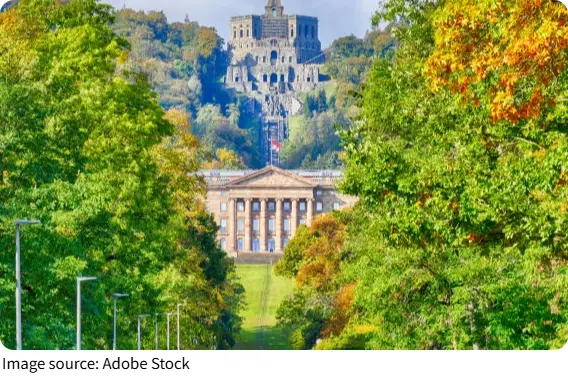
Bergpark Wilhelmshöhe (UNESCO) is free and open daily. Start at Schloss Wilhelmshöhe and follow shaded paths uphill toward Hercules. Allow 3–4 hours for palace, gardens, and viewpoints. Wear sturdy shoes; gradients are real. Small kiosks sell snacks; water fountains are limited—bring a bottle.
Old Masters
Inside Schloss Wilhelmshöhe, the Gemäldegalerie Alte Meister showcases works by Rembrandt, Rubens, Dürer, Titian, and Caravaggio. Typical admission €10–12; family and student discounts available. Lockers are free; photography rules vary by room. Plan 60–90 minutes before garden wandering.
Water show
The Wasserspiele (May–October, usually Wed & Sun 14:30) is a gravity-powered spectacle: torrents tumble from Hercules down cascades, bridges, and faux-antique ruins, culminating in a fountain near the palace around 15:45. It’s free; arrive 30–40 minutes early at the upper cascade and follow the flow downhill.
Hercules view
Climb to the Hercules Monument (about 200 steps from the terrace level) for a city-to-horizon panorama. Monument area open daily; platform access hours vary seasonally (often late morning to late afternoon). Combine with the water show or a picnic at nearby lawns.
Romantic “ruin”
Löwenburg, a late-1700s pleasure castle crafted to look medieval, mixes fantasy façades with real armory and period rooms on guided tours. Entry €6–8; tours in German with handouts in English. Book a late-morning slot, then loop back through woodland trails to the palace.
Karlsaue calm
Across town, Karlsaue Park is formal, flat, and perfect for gentle strolls. The Siebenbergen island blooms through spring and summer; allow 45 minutes for paths and flowerbeds. Pack a blanket—lawns by the canals are picnic-friendly and close to tram stops for an easy exit.
Karlsaue Park
Palace & planets
At Karlsaue’s edge, the Orangerie hosts the Astronomisch-Physikalisches Kabinett: historic clocks, microscopes, and instruments. Admission usually €6–8; the attached planetarium (10-meter dome) adds shows for €3–5 extra. Check same-day showtimes at the desk and pair with a park walk.
Marble Baths
The Marmorbad (in the Orangerie’s west pavilion) is a late-Baroque gem with statues and reliefs inspired by classical narratives. Access is typically by timed entry or guided visit; expect €4–6 and a compact 20–30 minutes onsite. Combine with the Orangerie ticket to save time.
Contemporary edge
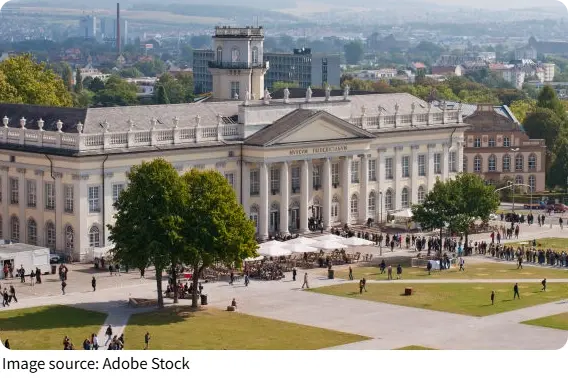
Every five years, documenta transforms Kassel with installations and performances for 100 days. Outside those dates, the Fridericianum runs rotating exhibitions (admission €7–10). Tip: pick one major venue plus a walk between outdoor pieces—your feet (and brain) will thank you.
Grimm stories
Grimmwelt Kassel turns language and tales into interactive exhibits—great for families. Standard tickets €10–12; family passes often available. Expect 60–90 minutes; the rooftop terrace has city views. Nearby cafés serve kid-friendly lunches for €9–14 per plate.
Reflect & learn
The Museum für Sepulkralkultur explores remembrance and the craft around farewells with objects spanning centuries. Entry €8–9. It’s thoughtful, design-rich, and suited to teens; allow 60 minutes and balance the visit with a sunny walk in Karlsaue afterward.
Food & markets
At Markthalle Kassel (Thu–Fri all day, Sat morning), snack on fresh pastries, salads, and regional specialties. Typical bites €3–7; full plates €8–14. Many stalls accept cards, but small change speeds things up. Early lunch beats the crowds and secures a seat.
Local logistics
• City mobility: Trams and RegioTram lines crisscross the center; a group day pass often pays off for 2–5 travelers.
• Seasonal hours: Museums close one day weekly (often Monday). Gardens are open daily; indoor sites may reduce hours in winter.
• Savings: Ask hotels about a local guest card—some include public transport discounts.
Wrap-up
Kassel blends hillside theatrics, palace galleries, playful science, and design-forward exhibitions—easily filled into two or three unhurried days. Which chapter fits your mood first: a gravity-powered cascade, a Caravaggio close-up, or a quiet hour among canals and marble?