Why Cats Heal the Mind

Chandan Singh
| 02-04-2026
 · Animal team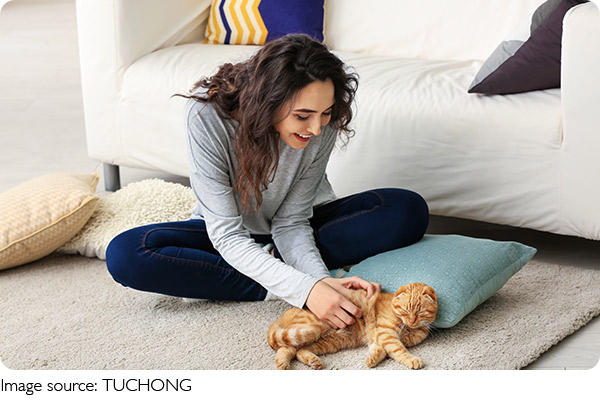
A cat doesn't announce its comfort. It simply appears—curling beside your laptop, blinking slowly from across the room, or pressing a warm forehead into your hand.
These moments feel small, but they carry surprising emotional weight. For many people, living with a cat becomes a steady source of calm in a noisy world.
1. Cats Lower Daily Stress
A cat's presence naturally slows the pace of a room. Their unhurried movements and relaxed posture send a subtle signal: things are okay.
Spending just a few minutes petting a cat can ease tension in your shoulders and soften your breathing. The rhythmic motion of stroking fur creates a steady, grounding pattern. Many owners notice that their mind stops racing during these moments.
- Less stress
- Slower breathing
- Calmer thoughts
Actionable example:
Create a “quiet minute” with your cat each evening. Sit on the couch, put your phone away, and pet your cat for three full minutes. Let that be a daily pause point between work and rest.
2. Companionship Without Pressure
Cats offer company without demanding constant interaction. They don't expect long conversations or high energy. You can read, work, or simply stare out a window while your cat rests nearby.
This kind of low-pressure companionship is powerful for people who feel socially drained. You're not alone, yet you don't have to perform.
Actionable example:
If you work from home, place a soft mat or small bed near your desk. Many cats will settle there, creating a gentle sense of presence that reduces isolation during long hours.
3. Structure in an Unstructured World
Cats thrive on routine. Feeding times, play sessions, and sleep cycles create a rhythm that shapes your day. This structure can be grounding, especially during periods when life feels uncertain. Waking up to feed your cat or ending the day with play gives shape to time. It turns vague hours into meaningful moments.
- More rhythm
- Clearer days
- Gentler mornings
Actionable example:
Tie one healthy habit to your cat's routine. After the morning feeding, open a window for fresh air. After the evening play session, dim the lights and prepare for rest.
4. Emotional Awareness and Empathy
Cats communicate through subtle signals: tail flicks, ear angles, slow blinks. Learning to read them sharpens your emotional awareness.
Over time, you become more attentive to small shifts in mood—both theirs and yours. This builds patience and empathy, skills that extend beyond your home.
Actionable example:
Spend one week observing your cat's body language. Notice what changes before they play, hide, or seek attention. This practice trains you to slow down and read nonverbal cues more carefully.
5. Comfort During Quiet or Difficult Moments
Cats often appear when emotions are heavy. They sit nearby during moments of sadness or fatigue, offering silent companionship. There's no fixing, no advice — just presence. This kind of comfort can feel safer than words. It allows feelings to exist without judgment.
- Gentle presence
- Emotional safety
- Quiet support
Actionable example:
When you feel overwhelmed, sit on the floor and let your cat approach on their own terms. Breathe slowly and match their calm pace. Even two minutes can shift your mood.
6. Play as Emotional Release
Play isn't just for cats—it's for you too. Tossing a toy, watching sudden leaps, and laughing at unexpected moves breaks mental loops.
These short bursts of lightness interrupt worry and bring you back to the present moment.
Actionable example:
Keep one toy in a visible spot. When your mind feels stuck, start a two-minute play session. Let that be a reset button for your attention.
Living with a cat changes how time feels. Days become punctuated by small rituals: feeding, play, quiet sitting, soft footsteps at night. These moments don't look dramatic, but they reshape your inner landscape.

A cat doesn't solve problems. It doesn't explain life. It simply stays—teaching you that calm can exist alongside chaos, and that comfort doesn't always need words. Over time, that quiet lesson becomes part of how you move through the world.