Mount Fuji: Japan’s Peak

Santosh Jha
| 13-04-2026
 · Travel team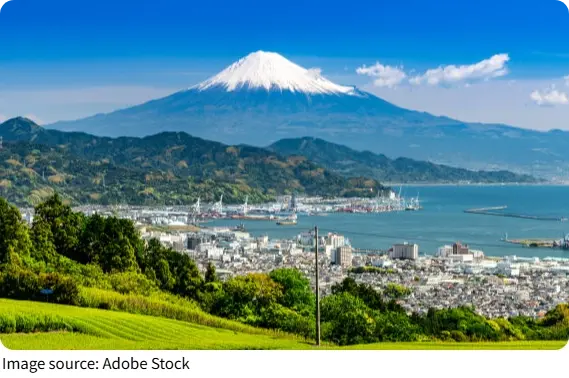
Rising majestically to 3,776 meters above sea level, Mount Fuji is Japan’s tallest and most iconic peak, captivating visitors with its symmetrical, snow-capped beauty.
More than just a natural wonder, Mount Fuji holds deep cultural and spiritual significance, inspiring centuries of Japanese art and literature.
Whether you are an avid hiker, a nature enthusiast, or simply seeking serene landscapes, Mount Fuji and its surrounding areas promise an unforgettable experience for every traveler.
Mount Fuji
Getting to Mount Fuji
Mount Fuji is located on the border between Yamanashi and Shizuoka Prefectures, about 62 miles west of Tokyo. The mountain is easily accessible by train, bus, or car from major cities like Tokyo and Kyoto.
- By Train: The fastest way to reach Mount Fuji from Tokyo is via the JR Chuo Line to Otsuki Station, followed by the Fujikyu Railway to Fujisan Station (2–2.5 hours). Another option is the Fuji Excursion express train, connecting Shinjuku Station in Tokyo to the Kawaguchiko area near Mount Fuji.
- By Bus: Direct buses run from Tokyo (Shinjuku Station) to the Fujisan fifth station, a popular starting point for climbers (approx. 2.5–3 hours). Prices are around $23–$32.
- By Car: Renting a car allows flexibility to explore nearby towns like Kawaguchiko, Fujinomiya, and Gotemba. Rental costs range from $55–$90 per day.
Mount Fuji Hiking Seasons and Costs
- Season: Early July to early September (best weather and trail conditions).
- Trail Fee: $10–$15 per person.
- Accommodation: Mountain huts (hōjō) range from $45–$90 per night. Advanced booking is recommended during peak summer months.
- Non-hikers: Viewing Mount Fuji from the base is free, with nearby activities like boat rides on Lake Kawaguchi ($14–$23) and hot springs ($9–$18).
Mount Fuji Hiking Seasons and Costs
- Season: Early July to early September (best weather and trail conditions).
- Trail Fee: $10–$15 per person.
- Accommodation: Mountain huts (hōjō) range from $45–$90 per night. Advanced booking is recommended during peak summer months.
- Non-hikers: Viewing Mount Fuji from the base is free, with nearby activities like boat rides on Lake Kawaguchi ($14–$23) and hot springs ($9–$18).
Food Options Near Mount Fuji
- Houtou Fudou (Lake Kawaguchi area) – Traditional noodle dishes (houtou) for $7–$14.
- Fujisan Panoramic Café (Fujikawaguchiko) – meals and desserts, $9–$18.
- Local Street Food Stalls – Fresh fruit, rice balls, and seasonal treats, $3–$7.
What to See and Do Around Mount Fuji
- Lake Kawaguchi: Boating, picnicking, and lakeside walks with mountain views.
- Fujisan Sengen Shrine: A historic shrine at Mount Fuji’s base, traditionally visited before a climb.
- Fujigoko (Five Fuji Lakes): Lake Yamanaka, Lake Saiko, Lake Shoji, and Lake Motosu offer hiking, camping, fishing, and boating opportunities.
Where to Stay Near Mount Fuji
- Hotel Green Plaza Hakone – $150–$250 per night; panoramic Mount Fuji views and hot springs.
- Kawaguchiko Onsen Hotel – $100–$200 per night; near Lake Kawaguchi, traditional baths, and mountain views.
- Fujisan Club Guesthouse – $50–$100 per night; budget-friendly, cozy, and traditional atmosphere.
The Enduring Power of Mount Fuji
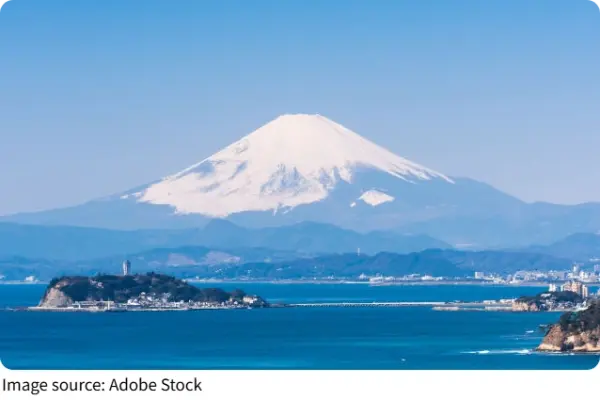
Mount Fuji has captivated visitors for centuries, and its cultural and natural significance remains unparalleled. Whether climbing to the summit or admiring its presence from surrounding lakes, the mountain leaves an indelible mark. Standing at its base, one appreciates why Mount Fuji symbolizes perseverance, beauty, and the harmonious relationship between nature and culture. A visit to Mount Fuji offers both awe-inspiring scenery and a profound connection to Japan’s spiritual heritage.