Roman Wonder

Pankaj Singh
| 14-05-2026
 · Travel team
The Pantheon, one of the most iconic landmarks in Rome, stands as a testament to the ingenuity of ancient Roman engineering and architecture. Known for its majestic dome and historical significance, it has drawn millions of visitors from around the world.
Originally built as a grand temple, the Pantheon has evolved through the centuries into a symbol of Roman engineering brilliance. A visit here is a step back in time, offering a glimpse into the architectural feats of the Roman Empire.
Getting to the Pantheon
Located in the heart of Rome, the Pantheon is easily accessible from several parts of the city. If you're staying near the Spanish Steps or Trevi Fountain, it's just a short walk. For those traveling from further afield, the Pantheon is accessible by public transport. The closest metro station is Barberini (Line A), followed by a 10-minute walk. Buses from the central areas also stop near Piazza della Rotonda, directly in front of the Pantheon.
Pantheon
Visiting Hours and Ticket Information
The Pantheon is open to the public daily, with visiting hours typically from 9:00 AM to 7:00 PM, with a break between 1:00 PM and 4:00 PM. Entrance is free of charge during certain hours and for special events. However, for general visits, there is a nominal fee of $5 USD. It's always a good idea to check the official website or call ahead for up-to-date information, especially during holiday seasons.
Exploring the Pantheon: Architecture and History
The Pantheon's most striking feature is its dome, which remains the world's largest unreinforced concrete dome to this day. Its oculus, a circular opening at the top, not only serves as a source of natural light but also as a symbolic connection between the structure and the sky. The design of the Pantheon has inspired countless architects throughout history, and its innovative use of concrete and engineering techniques remains a marvel.
Inside, the Pantheon's space is both grand and intimate. The altar and impressive marble columns lead visitors through an awe-inspiring interior. The structure's perfect symmetry and harmonious proportions reflect the Roman commitment to precision in design. Additionally, the Pantheon has served as a burial site for several famous individuals, including the painter Raphael and the kings of Italy.
Nearby Attractions and Things to Do
While visiting the Pantheon, there are several other nearby attractions that are worth exploring:
1. Trevi Fountain – Just a 10-minute walk away, this famous Baroque fountain is a must-see. Don't forget to throw a coin in to ensure your return to Rome!
2. Piazza Navona – A stunning square filled with beautiful fountains, artists, and cafes. It's the perfect place to relax after exploring the Pantheon.
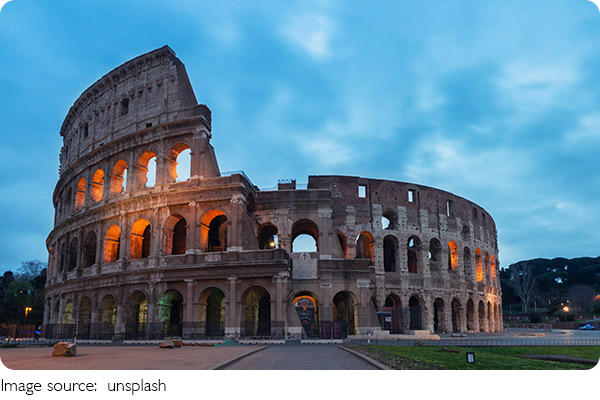
3. The Roman Forum and Colosseum – A bit further but easily accessible by foot or metro, the ancient ruins of the Roman Forum and Colosseum give further insight into the history of Rome.
Where to Stay Near the Pantheon
If you plan to stay in Rome for an extended period, here are a few accommodation options near the Pantheon:
1. Hotel Nazionale
o Price range: $300–$500 per night
o A luxury hotel just steps from the Pantheon, offering elegant rooms, a rooftop terrace with views of Rome, and impeccable service.
2. Albergo del Senato
o Price range: $200–$350 per night
o A mid-range hotel offering comfortable rooms and a prime location near the Pantheon, making it ideal for visitors who want to be in the heart of Rome.
3. Pantheon Inn
o Price range: $100–$200 per night
o A budget-friendly option offering a cozy, affordable stay just a stone's throw from the Pantheon. Ideal for travelers on a budget who want to be close to the main attractions.
Note: Prices can vary depending on the season, so be sure to check availability and current rates on booking platforms.
Reflecting on the Pantheon's Timelessness
A visit to the Pantheon is not just about witnessing an architectural feat; it's about experiencing history. Standing inside this ancient structure, you can almost hear the echoes of the past – the footsteps of Roman citizens who once revered the structure, the whisper of emperors who walked its halls. Today, it serves as a reminder of the enduring legacy of the Roman Empire. As you gaze up at the magnificent dome, it's easy to be reminded of the timeless pursuit of human ingenuity, craftsmanship, and respect for the extraordinary.