The World's Saltiest Waters

Vivienne
| 14-05-2026
 · Travel team
When it comes to the saltiest bodies of water, the Dead Sea often takes the spotlight. But did you know that there are lakes and ponds on Earth that are even saltier? These extreme environments have fascinated scientists for decades, offering a glimpse into some of the harshest and most unique conditions on our planet.
From Antarctica's frozen ponds to Ethiopia's thermal waters, the competition for the title of "saltiest water" is fierce. Below, we'll explore some of the saltiest bodies of water and the scientific wonders they hold.
1. Don Juan Pond: 44%
Located in Antarctica's McMurdo Dry Valleys, Don Juan Pond holds the record as the saltiest body of water on Earth. With a salt concentration reaching a staggering 44%, this pond remains liquid even in temperatures as low as -50°C (-58°F). The brine is primarily composed of calcium chloride, which keeps the water from freezing, offering scientists a rare opportunity to study extreme environments. This pond has even been used as a model for studying conditions on Mars, making it a fascinating subject for space research.
2. Gaet'ale Pond: 43.3%
Situated in the Danakil Depression of Ethiopia, Gaet'ale Pond is another contender for the saltiest water. With salinity levels of 43.3%, it is one of the hottest saline ponds in the world. Temperatures can reach 55°C (131°F), making it an inhospitable environment for most life forms. The brine here contains high levels of calcium chloride and magnesium chloride, creating an extremely harsh yet scientifically valuable habitat.
3. Lake Vanda: ~35%
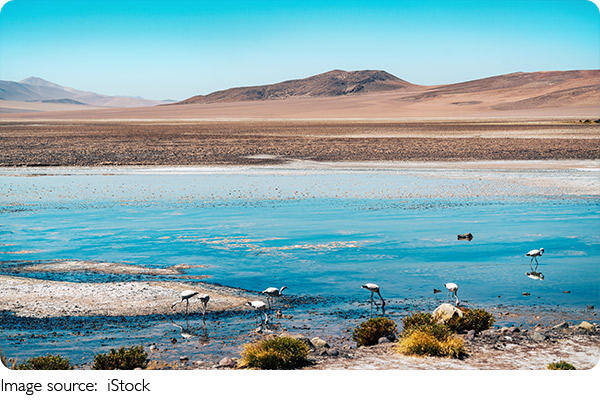
Lake Vanda, located in Antarctica's Wright Valley, boasts salinity levels close to 35%. This lake remains partially covered by ice year-round, yet its deep layers contain highly saline water. The unique stratification of this lake creates an unusual environment where fresh water sits on top, while saltwater accumulates below. This unique layering has made it an interesting subject for research on how life can thrive in extreme conditions.
4. Lake Assal: ~35%
Lake Assal in Djibouti, East Africa, is one of the saltiest lakes outside of Antarctica. It sits more than 150 meters below sea level, and its high evaporation rate leads to the concentration of salts, giving it a salinity of around 35%. The surrounding landscape is stark and dry, with white mineral deposits that form as the water evaporates, leaving behind vast salt flats.
5. The Dead Sea: 34%
The Dead Sea, located between Jordan and the region to the west, is one of the most famous hypersaline lakes in the world. Its salt concentration of 34% makes it nearly ten times saltier than the ocean. The high density of salt makes it easy to float in its waters, and its mineral-rich mud has become a popular treatment for skin conditions. Despite its name, the Dead Sea supports no aquatic life, but its mineral content has drawn people from around the world for health and wellness tourism.
6. Great Salt Lake: 27%
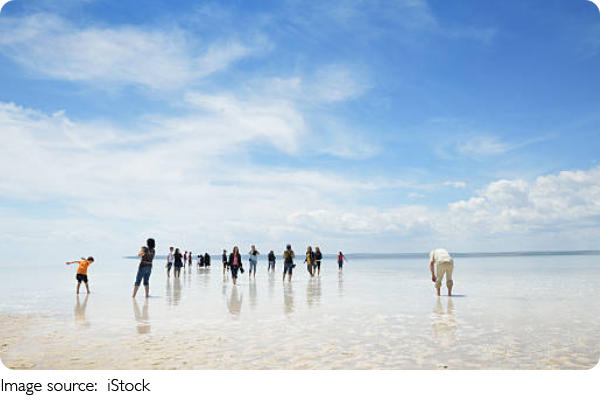
The Great Salt Lake, located in Utah, USA, fluctuates in salinity levels depending on rainfall and water flow. In dry years, salinity can increase to about 27%, while in wet years, it can drop to around 5%. The lake's salinity plays a significant role in its unique ecosystem, which supports brine shrimp and a variety of bird species. The lake's water levels have decreased in recent years, contributing to higher salinity in certain parts of the lake.
7. Laguna Cejar: ~25%
Laguna Cejar, located in the Atacama Desert of Chile, is a saline sinkhole lake with a salinity around 25%. Like the Dead Sea, the high salt content allows visitors to float effortlessly on its surface. The lake is part of a stunning desert landscape, offering an extraordinary experience for those willing to brave the extreme conditions.
8. The Red Sea: 4%
Although not a lake, the Red Sea is one of the saltiest seas in the world, with an average salinity of about 4%. The high salinity is a result of the hot, arid climate, which leads to high evaporation rates and minimal freshwater influx. Despite its high salt content, the Red Sea is home to a rich diversity of marine life, including coral reefs and a variety of fish species.
Why Hypersaline Lakes Form?
Hypersaline lakes form in closed basins where water cannot flow out to the ocean. As water evaporates, it leaves behind dissolved minerals, gradually increasing the salinity over time. This process occurs in regions with high temperatures and limited rainfall, where evaporation outpaces the amount of water entering the basin. These extreme environments are often home to specialized organisms that can survive in such harsh conditions, such as halophiles (salt-loving microbes) and extremophiles.
Exploring Life in Extreme Conditions
The study of hypersaline lakes provides valuable insights into how life can survive in extreme environments, both on Earth and potentially on other planets like Mars. These salty habitats are rich in microbial life, and understanding how organisms thrive in such environments can inform the search for extraterrestrial life.
Conclusion: Nature's Extreme Chemistry
While the Dead Sea often claims fame as the saltiest body of water, it's clear that other lakes and ponds across the globe surpass it in terms of salinity. These extreme environments not only challenge our understanding of life on Earth but also offer clues about potential life on other planets. The study of hypersaline lakes opens doors to understanding resilience, adaptation, and the fascinating chemistry of nature.