Birds as Climate Indicators

Arvind Singh
| 13-04-2026
 · Animal team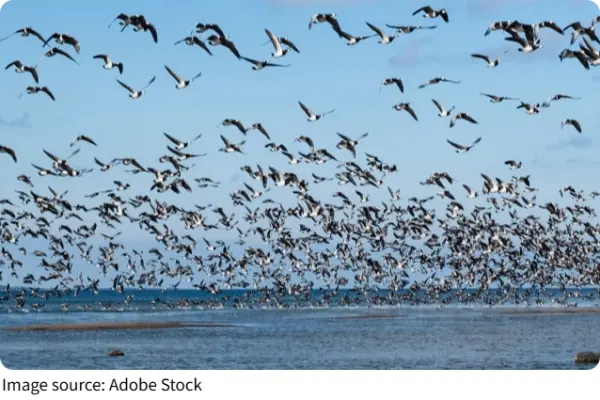
On a quiet morning, watching a flock of sparrows flit between trees, it's easy to miss how much their behavior tells us about the environment. Birds are more than just beautiful companions—they act as living barometers for climate change.
Their migration patterns, breeding cycles, and population shifts provide clues that scientists use to understand how our planet is warming and ecosystems are transforming.
Migration Patterns Reveal Shifts
Birds often migrate thousands of miles, and changes in these journeys can indicate broader environmental changes.
1. Timing Adjustments
Many species are arriving earlier in the spring and leaving later in the fall. These shifts reflect changes in temperature, food availability, and seasonal cycles. For example, some European warblers now migrate two weeks earlier than they did 50 years ago.
2. Actionable Example
Track local migratory birds in your area using apps or community science projects. Recording their arrival and departure times over months can help you notice shifts, mirroring how researchers detect climate trends through bird migration.
Breeding and Nesting Patterns
Reproductive cycles in birds are highly sensitive to climate conditions.
1. Early or Delayed Breeding
Warmer springs may cause birds to lay eggs sooner, while unpredictable weather can delay nesting. These changes affect the survival of chicks and, over time, can influence population stability.
2. Actionable Example
Observe local bird nests during the breeding season and note the timing of egg-laying and chick development. This hands-on tracking demonstrates how climate impacts life cycles, similar to professional monitoring programs.
Population Changes as Indicators
Fluctuations in bird populations can signal environmental stress.
1. Declining or Expanding Populations
Species may decline due to habitat loss, extreme weather, or shifts in food supply. Conversely, some species expand into new areas as conditions change. For instance, certain southern species are now found further north, reflecting warming temperatures.
2. Actionable Example
Participate in local bird counts or citizen science programs. Comparing yearly data allows you to see which species are thriving or declining, mirroring larger climate-driven trends.
Birds as Habitat Monitors
Bird behavior also indicates how ecosystems are responding to environmental stressors.
1. Habitat Use and Food Sources
Birds rely on specific habitats and food chains. Changes in where they forage or what they eat reveal alterations in ecosystems caused by climate shifts. For example, declining insect populations due to temperature changes impact insect-eating birds.
2. Actionable Example
Observe feeding behavior in your backyard or local park. Noticing which foods birds rely on and how their choices shift across seasons highlights the subtle effects of environmental change.
Scientific Collaboration and Conservation
Bird monitoring supports climate research and conservation strategies.
1. Global Tracking Projects
Scientists use satellite tracking, banding, and community observations to compile large datasets. These efforts allow predictions about species survival, habitat resilience, and climate impacts on ecosystems worldwide.
2. Actionable Example
Contribute to global initiatives like eBird or local conservation programs. Your observations help create a dataset that informs climate models and conservation decisions, showing how individual efforts connect to global understanding.
Birds offer a window into the impacts of climate change that is both immediate and measurable. From migration patterns to population shifts, they reflect the health of ecosystems and reveal subtle changes humans might otherwise miss. Paying attention to these feathered indicators reminds us that protecting birds and their habitats is not just about preserving wildlife—it's a way to understand and respond to the changing world around us. Watching the skies with awareness turns a simple birdwatching session into a glimpse at the future of our environment.