Dog Walk Timing

Santosh Jha
| 27-04-2026
 · Animal team
Hello Lykkers, when we share life with dogs, one daily question always comes up: how long should we walk them? Walking is not just a routine. It is a key part of keeping our dogs healthy, balanced, and happy. It helps them release energy, explore the world, and stay emotionally stable.
There is no single fixed answer, because every dog is different. The right walking time depends on breed, age, health condition, and even weather. If we understand these factors clearly, we can build a better daily routine for our dogs and ourselves.
Breed Differences: Not All Dogs Need the Same Time
When we talk about walking time, breed is one of the most important factors.
- Small dogs usually need less exercise. For example, compact companion breeds are comfortable with 1 to 2 walks per day, each lasting around 20 to 30 minutes. They enjoy short outdoor time to explore smells, move around, and take care of daily needs without getting too tired.
- Medium-sized dogs are more active. They have higher energy levels and enjoy longer activity. We usually walk them twice a day, with each walk lasting about 30 to 60 minutes. This gives them enough time to run, explore, and release energy in a healthy way.
- Large dogs require even more activity. They are strong and energetic, so we should plan at least 2 walks per day. Each walk may last 60 to 90 minutes or even longer depending on their energy level. Longer walks help them stay calm at home and maintain a stable physical condition.

Age-Based Needs: Puppies, Mature Dogs, and Senior Dogs
Age also plays a major role in determining walking time.
- Puppies are still developing. Their bones and muscles are not fully formed, so they cannot handle long walks. For very young puppies around 2 to 4 months, short walks of 15 to 20 minutes, 2 to 3 times per day, are enough. As they grow to 4 to 6 months, we can gently increase walking time to 20 to 30 minutes while still keeping the pace light and safe.
- Mature dogs usually have stable bodies and higher endurance. We can follow the walking time based on their breed and energy level. They enjoy more active and longer walks, which help maintain both physical and mental health.
- Older dogs need more gentle care. Their joints and stamina may decrease over time. For them, 1 to 2 walks per day, each around 20 to 30 minutes, is usually enough. The pace should be slow and comfortable, always adjusted based on how they feel.
Health Condition: Always Adjust Based on Comfort
A dog’s health condition can completely change its walking routine.
- Healthy dogs can follow normal walking schedules based on their breed and age. Regular outdoor activity helps them stay fit and mentally relaxed.
- If a dog is recovering from illness or physical discomfort, we need to be more careful. In such cases, walking time should be reduced or temporarily paused depending on professional guidance. As recovery progresses, we can slowly reintroduce short and gentle walks to help the body regain strength step by step.
Weather Conditions: Safety Always Comes First
Weather is another factor we should always consider.
- On comfortable days with mild temperatures, we can follow regular walking schedules. Dogs can enjoy longer outdoor time without stress.
- On hot days, we should avoid strong midday heat. Early morning or evening walks are better, and each walk should be shorter, around 30 minutes, to prevent overheating and discomfort.
- On cold days, we should make sure dogs stay warm. Long exposure to low temperatures is not ideal, so walks can be shortened to around 30 to 45 minutes depending on conditions and the dog’s tolerance.
Reading Signals: Our Dogs Always Tell Us
While walking, we should always pay attention to our dogs’ behavior.
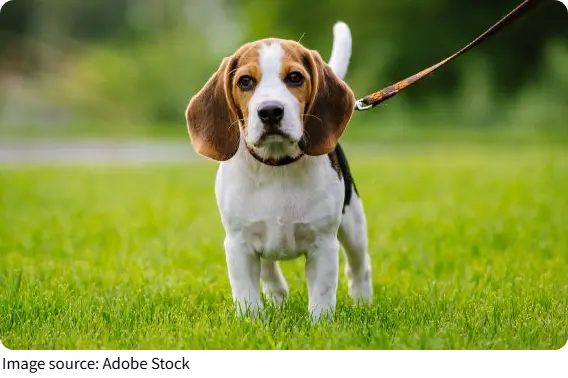
- If a dog starts slowing down, showing signs of tiredness, or losing interest in moving forward, it is time to stop the walk and let them rest. Forcing them to continue is not helpful.
- Each dog has its own rhythm. The best walking plan is not a strict rule but a flexible routine based on observation and care. When we respond to their needs, we build trust and improve their quality of life.
Better Walks, Happier Dogs
Lykkers, walking our dogs is more than just daily exercise. It is a shared moment of connection, communication, and care. When we adjust walking time based on breed, age, health, and weather, we create a healthier and happier life for our dogs.
Let’s continue observing them closely, adjusting gently, and enjoying every walk together.