Migratory Bird Societies

Chandan Singh
| 30-04-2026
 · Animal team
Watching a flock of birds wheel across the sky during migration is mesmerizing. Their synchronized movements, the tight formations, and the way they respond to each other show more than instinct—they reveal complex social networks that guide survival.
Migratory birds don't just travel long distances alone; their journeys depend on communication, cooperation, and social learning.
Flock Formation and Leadership
During migration, many birds fly in organized formations, like the familiar V-shape of geese. This arrangement reduces air resistance, saving energy for long flights. Leadership often rotates, allowing birds to take turns at the front, while others follow and rest in the slipstream. These formations are not random—they're the result of coordination and learned behavior passed down through the group.
Actionable example: When observing migratory birds locally, note which individuals take the lead and how the group responds. This can reveal patterns in how leadership and experience influence flight efficiency.

Communication in the Skies
Vocal and visual signals help birds maintain group cohesion. Calls warn of predators, indicate changes in direction, or signal rest stops. For instance, sandpipers and starlings use subtle calls to maintain spacing within dense flocks, ensuring that collisions are minimized and the group can move as a single unit.
Actionable example: Install native shrubs and small trees in your yard to create safe perching spots. Birds resting between migratory legs use these areas for communication and social interaction. Observing their calls can help you understand group dynamics.
Cooperative Navigation
Migratory birds often rely on collective memory for navigation. Older or more experienced birds guide younger ones along routes, teaching them landmarks, safe resting spots, and favorable feeding areas. This knowledge-sharing ensures survival across generations and improves the efficiency of long-distance travel.
Actionable example: When tracking birds during migration, record sightings of mixed-age flocks. Noting which birds appear to lead can highlight the role of experience in navigation.
Social Bonds and Mate Selection
Migration isn't just about survival—it's also a social event. Birds often strengthen pair bonds or form alliances during long flights. Species like swans or certain songbirds use the journey to reinforce social ties, which can improve breeding success at their destination. Birds that migrate together may return year after year, maintaining a network of reliable companions.
Actionable example: Encourage bird-friendly habitats with water sources and food. Providing safe rest stops helps migratory birds maintain energy for bonding behaviors, contributing to their reproductive success.
Conflict and Cooperation
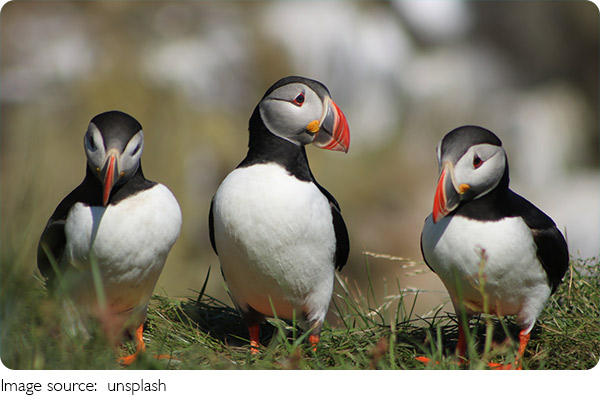
Even within flocks, social behavior is complex. Birds must balance competition for space and food with the benefits of group protection. Aggression is minimized through ritualized displays, vocal warnings, or temporary avoidance. Cooperation is evident in shared vigilance—each bird watches for predators, giving the whole group a better chance of survival.
Actionable example: Observe local flocks at feeders or roosting areas. Note how birds interact when space or resources are limited. Understanding these dynamics can inform how to set up feeding stations to reduce stress and promote cooperative behavior.
Learning from Each Other
Migratory journeys are also educational. Young birds learn foraging strategies, predator avoidance, and optimal flight techniques by following more experienced companions. This social learning is critical—without it, many birds would struggle to complete the journey safely.
Actionable example: Set up observation points along migratory pathways. Recording how juvenile birds follow older individuals can offer insights into how behaviors are transmitted socially.
The social lives of migratory birds are intricate, balancing leadership, communication, cooperation, and competition. Every flight is a lesson in teamwork, survival, and adaptability. Watching them navigate skies together reminds us that migration is not only a physical challenge but a sophisticated social endeavor shaped by connection and shared knowledge.