Colors That Shape Survival
Pardeep Singh
| 30-04-2026
 · Animal team
A flash of blue across a pond, a sudden patch of orange on a wing, a perfectly dull brown that almost disappears into the ground. Color is often the first thing we notice about an animal, yet it's rarely about looking nice.
Every shade, stripe, and spot carries a story shaped by countless generations of trial and error. Over time, colors become tools—signals, shields, and silent messages that decide who gets noticed and who doesn't.
Colors as Survival Tools
For many animals, color is a daily survival strategy rather than decoration. Blending into surroundings helps them stay unnoticed, while standing out can send clear warnings.
1. Matching the environment
Some animals closely mirror the tones of their habitat. Sandy-colored lizards on desert ground or leaf-green insects among plants are classic examples. This match reduces visibility and buys time to escape danger.
2. Disrupting the outline
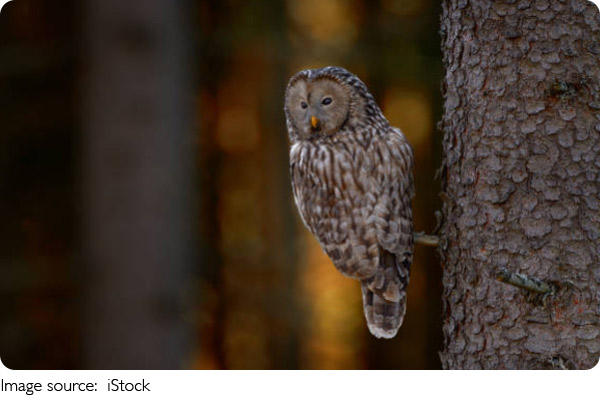
Stripes, spots, or uneven patterns break up an animal's shape. When light and shadow move through grass or branches, these patterns make it harder to recognize a clear form.
- Actionable example: If you're observing wildlife, try taking photos in black and white. You'll quickly see how pattern and contrast matter more than brightness alone. This trick helps explain why certain color layouts work so well in nature.
Warning Colors and Honest Signals
Not all animals aim to hide. Some rely on bold colors to send a clear message: “Don't bother.”
1. High-contrast colors
Bright yellows, reds, or stark black-and-white patterns grab attention. These colors often signal that an animal is unpleasant to handle or taste.
2. Consistency matters
These warning colors stay visible in many lighting conditions. Evolution favors signals that work at dawn, noon, and dusk.
- Actionable example: Next time you see a boldly colored insect, pause and notice how slowly it moves. Many don't rush away because their colors already do the talking.
Color and Communication
Color also plays a huge role in how animals communicate with one another, especially during social interactions.
1. Recognizing each other
Subtle color differences help animals identify members of their own group. Small patches or markings can signal age, mood, or readiness to interact.
2. Timing is everything
Some colors appear only during certain seasons or life stages. These temporary changes reduce confusion and keep communication clear.
- Actionable example: Birdwatchers often rely on color shifts to identify behavior changes. A brighter face or chest often signals active social periods, while dull tones suggest rest or caution.
Attraction and Choice
Color strongly influences mate choice, shaping how species evolve over time.
1. Showing good condition
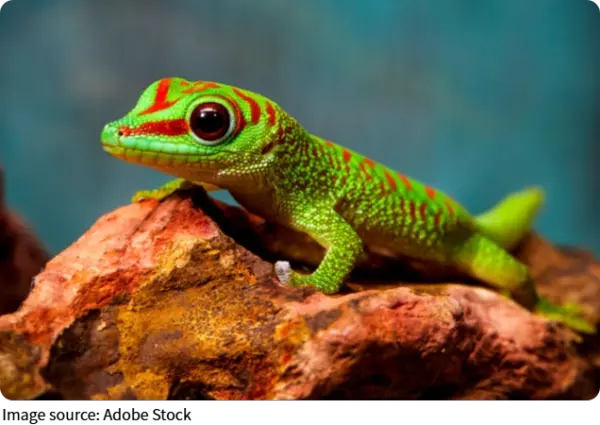
Bright, well-maintained colors often signal strong health. Producing and maintaining these colors takes energy, so only well-adapted individuals can afford it.
2. Balancing risk and reward
Standing out increases visibility to others, but it also brings risk. Evolution fine-tunes this balance so colors attract the right attention without being reckless.
- Actionable example: When studying animals in the wild or in documentaries, note which features are shown during courtship displays. Color is almost always front and center.
Color Changes Over Time
Evolution doesn't lock animals into a single color forever. Shifts in environment slowly reshape which colors work best.
1. Environmental shifts
Changes in vegetation, climate, or light levels can favor new color patterns. Over generations, these small advantages add up.
2. Flexible coloring
Some animals can adjust shade intensity through pigments or structural color changes. This flexibility helps them cope with daily or seasonal changes.
- Actionable example: If you keep a nature journal, record how the same species looks across seasons. You'll often spot gradual changes that reflect environmental pressures.
When Color Isn't About Vision
Not all color communication is meant for human eyes. Many animals see different color ranges or patterns invisible to us.
1. Hidden signals
Ultraviolet patterns, for example, can guide social interactions without alerting others nearby.
2. Reduced confusion
These private channels help animals communicate clearly while staying discreet.
- Actionable example:
Nature photographers using special filters often reveal patterns that explain behaviors that seem mysterious at first glance.
Color in animal evolution is a quiet language written over thousands of generations. It's shaped by survival needs, social rules, and environmental changes, all working together. The next time a small flash of color catches your eye outdoors, slow down and look closer. That single shade might carry a message refined by time, telling a story far deeper than beauty alone.