How Animals Talk

Caleb Ryan
| 29-04-2026
 · Animal team
I remember watching a group of dolphins leap in perfect synchrony off the coast.
Each jump, click, and whistle seemed like a carefully timed conversation, a reminder that animals have their own languages.
From the songs of birds at dawn to the chemical signals of ants marching in line, animal communication systems have evolved over millions of years to meet survival needs. Understanding these systems gives us insight into intelligence, social structures, and adaptation strategies.
Signals Through Sound
Sound is one of the most versatile ways animals convey information. Calls can warn of predators, attract mates, or coordinate group behavior.
• Birds use specific songs to mark territory or signal readiness to mate.
• Dolphins produce clicks and whistles for navigation and social bonding.
• Wolves and other canines use howls to communicate over long distances.
Warning signals, Mate attraction, Group coordination
Actionable example: Observing backyard birds early in the morning can reveal distinct calls and patterns. Try noting differences between mating calls and warning calls to understand their “vocabulary.”
Visual and Body Language
Animals often communicate without sound, relying on visual cues or body movements. These signals can convey dominance, submission, or intentions.
• Peacocks display vibrant tail feathers to attract mates.
• Dogs wag their tails, raise hackles, or lower heads to express emotion.
• Bees perform dances to indicate the location of nectar sources.
Displays, Gestures, Movement cues
Actionable example: If you have pets or observe wildlife, pay attention to posture and movement. Learning to interpret these signals helps understand behavior and social hierarchies.
Chemical Communication
Some animals rely on scents or pheromones to send messages, a method especially common among insects and mammals.
• Ants leave pheromone trails to lead colony members to food sources.
• Tigers mark territory with scent to warn others away.
• Rodents use chemical signals to indicate reproductive status.
Territory marking, Reproductive signals, Navigation
Actionable example: In gardens, note ant trails or insect behaviors. These chemical communications reveal how species interact with their environment and each other.
Touch and Physical Contact
Direct contact is essential for some species, especially in social animals. Touch conveys comfort, dominance, or group cohesion.
• Primates groom each other to reinforce social bonds.
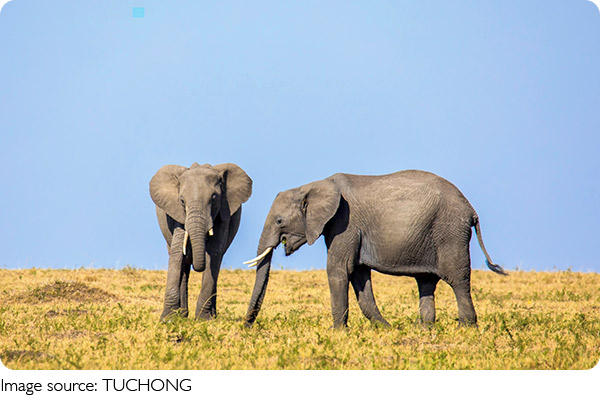
• Elephants entwine trunks to greet or reassure companions.
• Puppies and kittens use nudging and licking to communicate needs.
Bonding, Comfort, Social structure
Actionable example: Watching social animals in wildlife parks or nature reserves highlights the role of touch. Note how grooming or contact reduces tension and strengthens relationships.
Evolutionary Adaptation in Communication
Over time, communication systems evolve to meet survival challenges. Animals adapt their signals for clarity, distance, and context.
• Birds may change songs in noisy environments to be heard.
• Fish use color changes to signal aggression or mating readiness.
Adaptation, Clarity, Survival
Actionable example: Observe local wildlife over time and note changes in calls, color displays, or movements. These adaptations reflect how species respond to environmental pressures.
Animal communication is a window into intelligence, survival, and connection. By paying attention to calls, gestures, scents, and touches, we gain insight into the rich lives of other species. Each signal, from a bird's song to a dolphin's click, tells a story of evolution, adaptation, and the incredible ways life persists and thrives.