Life of a Deer
Finnegan Flynn
| 09-05-2026
 · Animal team
A sudden movement between trees, a pause, then a pair of calm eyes looking back before slipping away into the forest again.
The Deer has a way of appearing almost silently, as if it never fully arrives or leaves—just briefly passes through the scene and disappears into green shadows.
There's something steady and calm about them, even when they're moving. They don't rush. Every step feels measured, like the forest itself is guiding the pace.
How they move through their environment
Deer are built for quiet movement. Their legs are light and structured for quick direction changes, especially in uneven terrain. Instead of heavy footsteps, their motion feels soft, almost floating over leaves and grass. They often pause between movements, scanning their surroundings before continuing. This rhythm of stop-and-go isn't random—it's part of how they stay aware of everything happening around them. Even when running, their motion stays controlled rather than chaotic. It's fast, but never careless.
What they usually eat
Their diet changes with the environment. In warmer seasons, deer often feed on fresh leaves, grass, and small plants. As conditions shift, they adapt by turning to bark, twigs, and other available vegetation. This flexibility is one of the reasons they can live in different types of landscapes, from dense forests to open grass edges.
Feeding usually happens in quiet periods, like early morning or late evening. These are times when movement in the environment is lower, making it easier for them to stay alert while eating.
Social behavior and grouping
Deer don't always move alone. Depending on the species and season, they may form small groups, especially females with young ones. These groups are not tightly structured but offer shared awareness of surroundings. Males often spend more time alone outside of specific seasons. During those times, their behavior becomes more independent, focusing on territory and movement patterns. Communication happens through body language, subtle sounds, and movement cues rather than constant interaction.
Adaptation and survival patterns
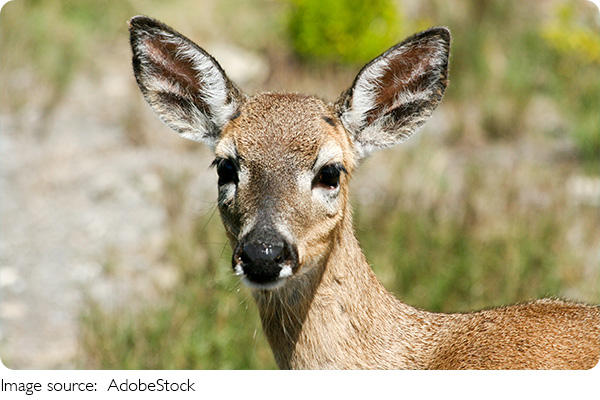
One of the most interesting traits of deer is their ability to adjust to different environments. Forests, grasslands, and even areas near human activity can all become part of their range, as long as there is enough cover and food. Their alertness is constant. Large ears rotate to detect sound changes, and their sense of smell is highly developed. These features work together to help them respond quickly to anything unusual. Stillness is also part of their survival strategy. Sometimes staying completely motionless is more effective than running, especially when they blend into natural surroundings.
Their role in the ecosystem
Deer influence the environment through their feeding habits. By browsing on plants and young shoots, they help shape how vegetation grows in different areas. This creates indirect effects on other animals and plant balance. They also serve as part of the food chain in natural ecosystems, contributing to overall ecological structure and balance.
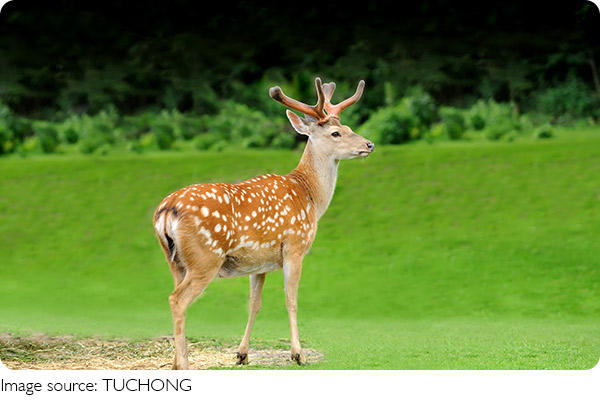
Part of what makes deer stand out is not just how they look, but how they move and behave. There's a quiet rhythm to them that feels almost untouched by noise or rush. Seeing one in the wild often feels brief but lasting. It's not about interaction—it's about presence. A moment of stillness in a moving landscape. In the end, deer represent a kind of calm that doesn't ask for attention but naturally holds it when noticed.