Layering Style Play

Chris Isidore
| 11-05-2026
 · Fashion team
As temperatures shift, we naturally reach for multiple clothing pieces at once. Layering becomes more than just a practical choice; it turns into a style expression.
When we combine pieces thoughtfully, the look feels richer, more structured, and visually engaging. But if we stack items randomly, the outfit can quickly lose balance.
In this guide, we explore five simple yet powerful ideas that help us build better outfits, along with two common pitfalls to avoid. Everything is easy to apply in daily dressing, no complicated rules needed.
1. Build color from light to deep
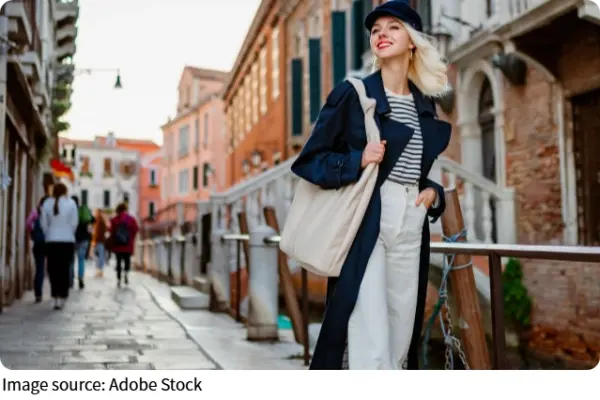
One of the easiest ways to improve layering is to organize colors from lighter tones inside to deeper shades outside. When we start with soft tones near the skin and gradually move outward to darker shades, the outfit gains natural depth.
For example, we can choose gentle hues like off-white, soft gray, light blue, or muted beige for inner pieces. These tones sit close to the face and help brighten the overall appearance. Then, we add mid or dark tones such as charcoal, mocha, or navy on top layers. This transition creates a smooth visual flow instead of a flat look.
2. Mix textures from soft to structured
Fabric choice plays a big role in how layering feels. When we keep inner pieces soft and comfortable, the outfit becomes more pleasant to wear. Materials like cotton blends, silk-like fabrics, or lightweight knits work well close to the body.
On the outer side, we can switch to more structured textures such as thick wool blends, dense knits, or slightly firm materials that hold shape. This contrast between softness and structure adds dimension and makes the outfit more visually interesting without extra effort.
3. Use bold contrast and simple patterns
Sometimes layering looks flat because everything blends too smoothly. To avoid this, we can introduce stronger contrast in color or pattern.
We might combine a light inner base with a rich, saturated outer layer, or pair neutral tones with a vivid accent piece. Patterns also help create focus. Subtle checks, linear designs, or abstract prints can bring energy into the outfit. The key is not to overload, but to let one element stand out clearly.
4. Play with tonal depth inside one color family
Monochrome dressing does not have to feel repetitive. When we work within one color group, we can still build depth by using different shades.
For instance, combining soft beige with deeper sand tones, or light gray with charcoal variations, creates a refined shift in tone. Another way is to mix textures within the same color family. A matte surface paired with a slightly glossy finish can already produce enough contrast to keep the look dynamic and polished.
5. Create vertical flow for a longer silhouette
A simple trick to keep layering light and flattering is to guide the eye vertically. When we align pieces in a way that draws attention up and down instead of across, the outfit feels taller and more streamlined.
This can be done through neckline choices, such as pairing a higher neckline base with a V-shaped outer piece. It also works with length differences, like a shorter vest over a longer shirt. These combinations naturally extend visual lines and help maintain a clean shape.
Two common pitfalls we should avoid
The first issue is over-stacking. While combining pieces is fun, too many layers can feel heavy and unstructured. Keeping it within a few well-chosen layers helps maintain clarity and comfort. A shared element—such as tone, fabric family, or style direction—keeps everything connected.
The second issue is losing focus. If every layer competes for attention, the outfit becomes confusing. Instead, we should let one piece act as the main highlight while others support it quietly. This creates harmony rather than visual noise.
Bringing it all together
Layering is not about adding more just for adding more. It is about balance, rhythm, and thoughtful contrast. When we combine color flow, texture contrast, tonal depth, and vertical structure, everyday outfits start to feel more intentional and expressive.
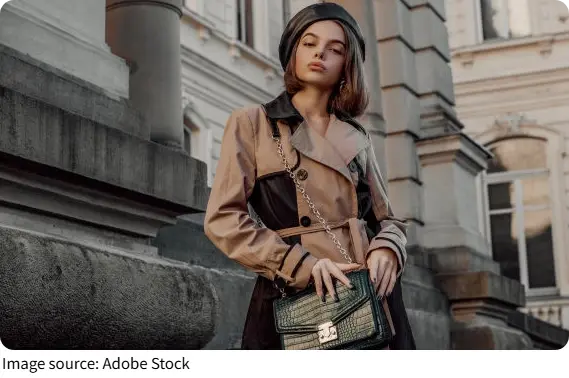
Next time we build a multi-piece look, we can pause for a moment and think about how each layer interacts with the others. Small adjustments often lead to a much clearer and more polished result.