Under the Hood

Caroll Alvarado
| 11-05-2026
 · Automobile team
Pop the hood on most cars and the first thing you see isn't the engine — it's a plastic cover sitting on top of it.
Manufacturers put these there partly for aesthetics, but once you remove it, the actual components underneath are more readable than they look.
Knowing your way around the engine bay isn't about becoming a mechanic. It's about knowing what healthy looks like, so you notice when something isn't.
The Engine Itself
The engine is the largest thing in the bay, sitting in the center. A simple visual check can tell you a lot about its condition without touching anything. Grinding, knocking, or tapping noises when running are signs that something inside needs attention. More practically, look for fluid leaks. Oil seeping from the engine, even slowly, is a problem — it can cause damage both inside and around the engine over time. Any fluid that shouldn't be there is worth noting.
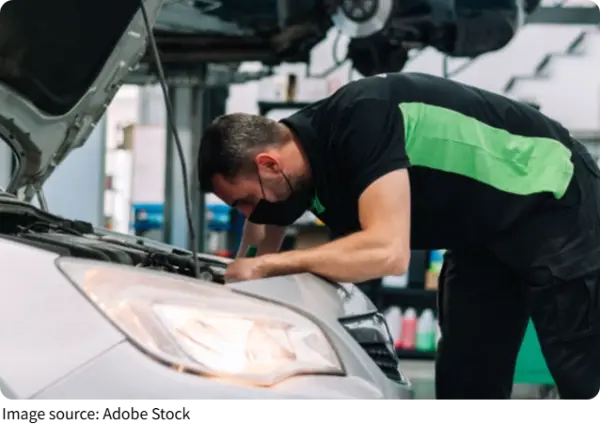
Coolant and the Expansion Tank
Modern vehicles use a coolant expansion tank — often a plastic reservoir with two lines marked on it — instead of requiring you to open the radiator cap directly. The coolant level should sit between those lines. Pay attention to the color: pink, blue, and green are the most common, and each is specific to a particular cooling system.
If the coolant looks muddy, clouded, or has lost its color, that's a bad sign and usually means a flush is overdue. Don't open the reservoir or radiator cap when the engine is hot — the pressurized fluid can cause serious burns.
Battery and Terminals
Every car depends on a 12-volt battery, usually located somewhere in the engine bay. The two things to check regularly are the terminals (the metal connectors attached to the battery posts) and the cables. Corrosion — a white or bluish-green buildup — around the terminals reduces the connection quality and can make starting the car unreliable. Keeping the terminals clean is one of the simplest things you can do to extend battery life.
Belts and Hoses
The serpentine belt runs multiple engine systems — alternator, power steering, and more. Look for cracks, fraying, or glazing on the surface. A belt that's starting to fail often shows visible wear before it breaks. Hoses — especially radiator hoses — should feel firm but flexible, not spongy, cracked, or swollen at the ends. Either of those textures means the hose is aging and due for replacement.
Oil and Fluid Reservoirs
Most engine fluids have labeled reservoirs under the hood. Brake fluid, power steering fluid, and windshield washer fluid all have transparent or marked containers that let you see the level at a glance. Engine oil still uses a dipstick on most vehicles — pull it, wipe it clean, reinsert, and pull again to get an accurate reading. The oil should look amber and clear, not dark and gritty.

A clean engine bay makes all of this much easier to assess at a glance. Grime and buildup hide leaks, hide wear, and trap heat. Cleaning it periodically isn't just cosmetic — it makes maintenance genuinely simpler.
You don't need to be a mechanic to spot trouble under the hood. A five-minute visual check — coolant levels, belt condition, terminal corrosion, fluid leaks — catches small problems before they become expensive repairs. Open the hood once a month. Know what healthy looks like. Your car will last longer, and you'll drive with greater confidence.