Ursus Arctos

Arvind Singh
| 11-05-2026
 · Animal team
The grizzly bear, scientifically known as Ursus arctos, is one of the most iconic and powerful creatures in North America.
Known for their immense size, sharp claws, and fierce survival instincts, these magnificent animals have intrigued scientists and wildlife enthusiasts alike. Let's dive into some captivating facts about the grizzly bear that make it a true symbol of strength and adaptability.
They Are Massive Carnivores
Grizzly bears are among the largest land carnivores. A fully grown male can weigh anywhere between 600 to 1,200 pounds, with some exceptional individuals tipping the scales even heavier. Their size isn't just for show—they use their power to hunt, forage, and protect their territory. Despite their formidable strength, they are omnivores, consuming a variety of foods from berries and plants to fish and small mammals.

Their Claws Are Remarkably Strong
One of the most striking features of the grizzly bear is its powerful claws. These claws can grow up to 4 inches long, making them perfect for digging, catching prey, and marking their territory. Grizzlies use their claws to dig for roots, tear apart logs, and even catch fish in fast-moving rivers. Their claws are so strong that they can easily uproot trees in search of food.
They Have an Impressive Sense of Smell
Grizzly bears have one of the most refined senses of smell in the animal kingdom, which plays a crucial role in their survival. Their sense of smell is approximately 2,100 times stronger than that of humans. This powerful sense helps them detect food from miles away, find mates, and avoid potential threats. It's said that they can even smell food that's buried beneath several feet of snow!
Grizzlies Hibernate During Winter
Though grizzly bears are active throughout most of the year, they undergo a period of hibernation during the colder months. During this time, they enter a state of dormancy, slowing down their metabolism and conserving energy. They don't eat or drink for months, surviving solely on the energy reserves stored up during the summer and fall months. This period allows them to weather harsh winters without needing to hunt for food.
They Are Excellent Swimmers
Grizzly bears are natural swimmers, capable of traversing large bodies of water with ease. They can swim across rivers, lakes, and even coastal waters to reach new areas, find food, or escape from danger. Their large paws act like paddles, propelling them through the water with impressive speed. In fact, some grizzly bears have been known to swim for miles at a time!
They Play a Vital Role in Ecosystems
As apex predators, grizzly bears play a critical role in maintaining the balance of ecosystems. By controlling populations of smaller animals, they help keep prey species in check, allowing for biodiversity to flourish. Additionally, their feeding habits—such as eating fish and berries—aid in seed dispersal, which helps with plant regeneration in forests and meadows.
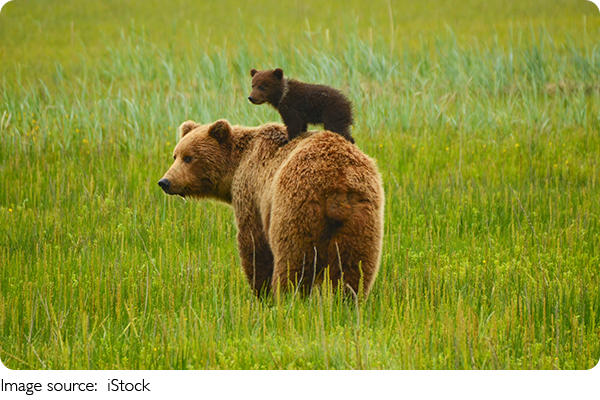
Ursus arctos, the grizzly bear, is not only a powerful symbol of strength but also a remarkable creature that has adapted to a variety of environments. From their unmatched sense of smell to their ability to swim across vast distances, grizzly bears demonstrate the remarkable abilities that make them one of nature's true survivors. Protecting these majestic animals ensures that future generations can continue to marvel at their incredible existence.