Why Flamingos Are Pink

Ethan Sullivan
| 11-05-2026
 · Animal team
Flamingos are one of those animals that look like nature was having fun when it designed them — improbably long legs, a dramatically curved bill, and that unmistakable wash of pink that makes them stand out against virtually any backdrop.
But here's something that surprises a lot of people: flamingos aren't born that way.
Every single flamingo chick hatches with pale gray-white, downy feathers, and it takes years of the right diet before that signature color develops. Their pinkness is entirely earned through what they eat.
The pigments responsible are called carotenoids — naturally occurring compounds found in many plants and organisms that produce red, orange, and yellow colors. The same family of pigments gives carrots their orange hue and turns ripe tomatoes red. In the food chain that flamingos tap into, carotenoids show up most abundantly in the microscopic blue-green algae and brine shrimp that live in the shallow, highly saline waters where flamingos feed.
From Food to Feather: How the Color Gets There
When a flamingo eats algae and brine shrimp, its digestive system doesn't just extract nutrients — it also metabolizes the carotenoid pigments from the food. Enzymes in the digestive process break the carotenoids down into smaller molecules called apo-carotenoids, which get absorbed into the bloodstream and eventually deposited in the growing feathers, skin, and bill.
The specific shade of pink depends on which carotenoids are present and in what concentration — some produce a pale, delicate blush, others yield a deeper coral or even reddish-orange tone.
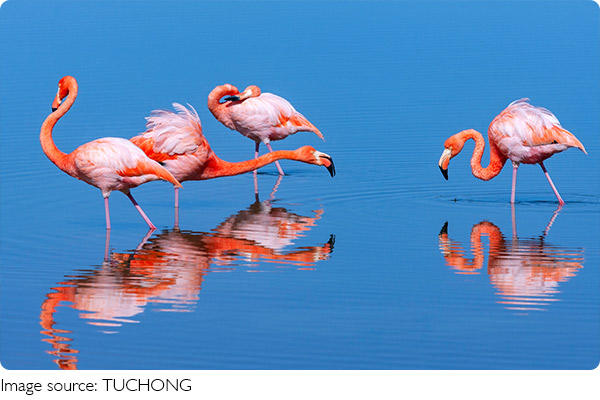
American flamingos, which feed heavily on crustaceans rich in these pigments, tend to display some of the most intense coloration of any flamingo species. Other species feeding in areas with lower carotenoid concentrations appear considerably paler.
The color isn't fixed, either. Because feathers are replaced through molting, a flamingo has to keep eating carotenoid-rich food continuously to maintain its color. A bird eating poorly gradually fades.
This is why zookeepers managing flamingo flocks in captivity have to actively supplement the birds' diets — usually with natural carotenoid extracts like canthaxanthin or astaxanthin — to prevent the flock from slowly turning white. Without that intervention, even the most vividly pink flamingo would lose its color over a few years.
The Extreme Environment They Call Home
The waters flamingos inhabit to access this food aren't particularly inviting to other animals. Many flamingo species thrive in alkaline or soda lakes — bodies of water with such a high concentration of carbonate salts that the water is corrosive to skin. The algae and crustaceans living in those conditions contain carotenoids that can actually be toxic to most other animals.
Flamingos have evolved specialized metabolism in the liver that processes these potentially harmful compounds safely, extracting useful pigments and nutrients while neutralizing the rest. Their leg skin is also unusually tough, adapted to withstand the caustic environment where they regularly stand and wade.
Why Color Actually Matters in the Wild
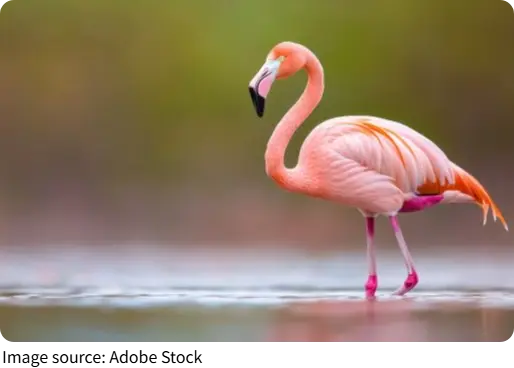
For flamingos, color isn't just aesthetic — it's a biological signal. A brightly colored bird is advertising that it's an effective forager, accessing high-quality food sources consistently. This makes color a reliable indicator of health and fitness, and research has shown it plays a role in mate selection. Flamingos with deeper, more intense coloration tend to be preferred as breeding partners, which gives individuals with better foraging skills a reproductive advantage.
The pink even extends to the birds' behavior during breeding season. Flamingos apply carotenoid-rich oil from their preen gland onto their feathers before courtship displays, temporarily intensifying the depth of their color — essentially, a last-minute color boost before the audience of potential mates. It's diet becoming display in the most literal biological sense.