Dog Emotions

Elena Rossi
| 25-05-2026
 · Animal team
Lykkers, have you ever looked at a dog and felt like it was trying to tell you something without a single word? The truth is, dogs are constantly communicating.
They rely on movement, sounds, and subtle body signals to share how they feel and what they need. When we begin to notice these signals, everyday life with them becomes more meaningful, balanced, and full of trust.
Understanding Silent Language
Dogs don’t use spoken language like we do, but their way of communicating is surprisingly rich. Every movement of the ears, every shift in posture, and every sound carries meaning. When we learn to observe closely, we start to notice patterns that reveal their emotions clearly. A good caregiver pays attention not only to obvious actions but also to small changes in behavior that might signal excitement, discomfort, or curiosity.
Joy and Excitement
When a dog feels joyful, its whole body seems to come alive. We often see quick, light movements, such as bouncing steps or a relaxed, swinging tail. The ears may shift naturally, and the body posture becomes loose rather than stiff. Some dogs may gently jump up to greet us or softly lick our hands as a sign of affection.
In moments of excitement, their sounds are usually bright and energetic. We may hear short, cheerful vocalizations that reflect their positive mood. Puppies especially tend to show stronger bursts of excitement, while older dogs often express joy in a calmer, steadier way.

Affection and Requesting Attention
When dogs feel affectionate, their behavior becomes soft and gentle. We may notice slow tail movements and a relaxed face. Some dogs produce soft, rhythmic sounds from their throat, especially when they are close to someone they trust.
If a dog wants attention or is asking for something, it often uses a combination of body language and sound. It might nudge us lightly, stay close, or look up with focused eyes. The movements are not forceful but persistent, as if quietly asking for interaction or companionship.
Anger and Discomfort
When a dog feels threatened or upset, its body language changes sharply. We may see a stiff posture, straightened legs, and raised fur along the back. The mouth may open slightly to show teeth, and the sound becomes deeper and more intense.
The ears often stand more firmly, and the overall stance becomes alert and defensive. Even the tail may move in a controlled, tense way. These signals are clear warnings that the dog needs space and calm surroundings.
Sadness and Seeking Comfort
When a dog feels low or unsettled, its behavior becomes noticeably quieter. We may observe a lowered tail, slower movements, and a tendency to stay close to a trusted person. Some dogs gently press their body against their caregiver, as if seeking reassurance.
Soft, low vocal sounds may appear, reflecting emotional discomfort. During these moments, patience and calm presence from us can help them feel more secure and understood.
Alertness and Fear
A dog in an alert state becomes highly focused on its surroundings. We often notice upright ears and steady attention toward sounds or movement. Short, repeated barking may occur when something unusual is detected.
Fear, however, brings a very different response. The body may shrink inward, and the tail may lower or tuck closely. The ears shift backward, and the dog tries to make itself smaller and less noticeable. In these moments, gentle reassurance and a calm environment are essential.
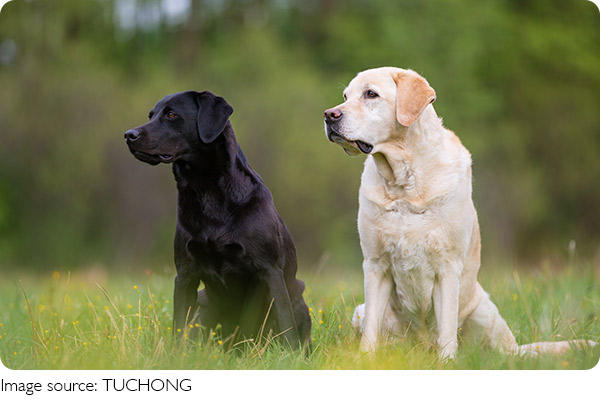
When we learn to read these signals, we build a relationship based on understanding and trust. Every wag, sound, and posture becomes part of a quiet conversation between humans and dogs.
Dogs' Body Language Explained
Video by Jaw-Dropping Facts