Koi Pond Maintenance!

Mason O'Donnell
| 25-05-2026
 · Animal team
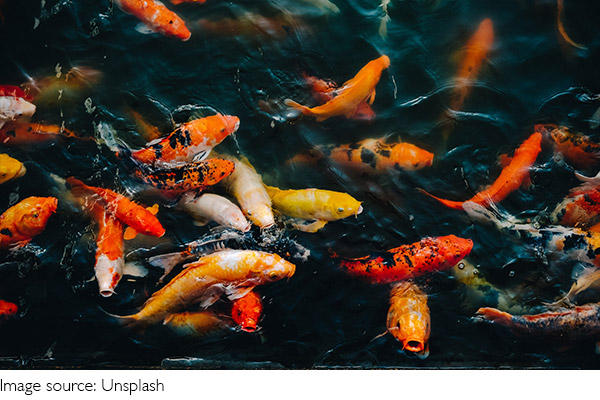
Welcome Lykkers! Picture yourself stepping into your garden early in the morning, where the air is still cool and the surface of your pond reflects soft light. Beneath that calm surface, flashes of red, white, and gold move slowly like living brushstrokes.
A koi pond is not just a visual feature—it is a carefully balanced living system that depends on consistent attention and informed care. Maintaining Koi successfully means understanding how water, filtration, feeding, and seasonal shifts work together in one delicate cycle.
Understanding Your Pond Ecosystem
A koi pond functions as a self-contained ecological network rather than a simple water feature. Every component plays a role: fish produce waste, bacteria break it down, plants absorb nutrients, and filters stabilize conditions. Ammonia from fish waste is one of the most critical elements to control.
Even when water looks clean, invisible chemical shifts can stress koi if not managed properly. Beneficial bacteria living inside biofilters convert ammonia into safer compounds, but they require oxygen-rich water and stable surfaces to thrive.
Aquatic plants also contribute more than decoration. Species like submerged oxygenators help reduce nutrient buildup, limiting algae growth while improving overall water clarity and stability. When properly balanced, this ecosystem reduces maintenance pressure naturally.
Daily and Weekly Maintenance Routine
Consistency is far more effective than occasional deep cleaning. A stable koi pond depends on routine observation and small corrective actions. Each day, observe koi behavior closely. Active swimming near mid-depth or surface cruising usually indicates good health. Warning signs include lethargy, erratic movement, or isolation. These subtle behaviors often reveal water imbalance before tests confirm it.
Remove debris such as fallen leaves, insects, or uneaten food using a pond net. Organic matter decomposes quickly in warm water and increases nutrient levels that fuel algae growth. Weekly maintenance should include filter inspection. Mechanical filter pads should be rinsed gently using pond water instead of tap water to preserve bacterial colonies. Pumps should be checked for blockages, especially during windy conditions when debris accumulation increases.
Water Quality Management That Protects Fish Health
Water quality is the most important factor in koi survival and long-term growth. Clear water alone is not a reliable indicator of safety. Regular testing for ammonia, nitrite, and pH stability helps prevent hidden stress conditions.
Even slight ammonia presence can damage gill tissue over time, reducing oxygen intake efficiency. Aeration plays a critical role in maintaining stability. Air stones, waterfalls, or venturi systems increase dissolved oxygen levels, which supports both fish respiration and bacterial filtration performance.
Partial water changes are more beneficial than full replacements. Replacing around 10–20 percent of pond water weekly helps dilute toxins without disrupting biological balance. Any new water must be dechlorinated before introduction, as chlorine can destroy both beneficial bacteria and fish health instantly.
Feeding Practices That Support Growth and Color
Feeding koi is a controlled process, not an unlimited activity. Overfeeding is one of the most common causes of water pollution in backyard ponds. Feed small portions that are fully consumed within a few minutes. Uneaten food sinks and decomposes, increasing ammonia levels and disrupting water clarity.
During warm seasons, koi require higher protein intake to support metabolism and growth. In cooler temperatures, digestion slows significantly, so feeding should be reduced or adjusted to easily digestible formulas. High-quality koi pellets are designed to enhance coloration and immune response. Occasional natural supplements such as peas or chopped leafy vegetables support digestion and reduce internal waste buildup.
Seasonal Care for Long-Term Stability
Each season changes pond behavior and maintenance priorities. In spring, biological filters need time to re-establish activity after winter slowdown, making careful monitoring essential. Summer heat increases oxygen demand while also encouraging algae growth. Shade from floating plants or pond covers helps stabilize temperature and reduce stress on Koi.
Autumn introduces heavy organic load from falling leaves, making protective netting highly effective in preventing decomposition issues. Winter requires reduced feeding and careful monitoring of surface ice conditions to ensure gas exchange continues.
Common Mistakes That Disrupt Pond Balance
One frequent mistake is sterilizing filter media with tap water, which destroys beneficial bacteria and resets biological stability. Another issue is overcrowding, which leads to chronic stress and faster waste accumulation. Many pond owners also rely too heavily on visual clarity. A pond can appear crystal clear while still containing harmful chemical imbalances.
Finally, ignoring subtle behavioral changes in koi often delays early intervention. Small shifts in movement or feeding behavior are usually the first indicators of underlying problems.
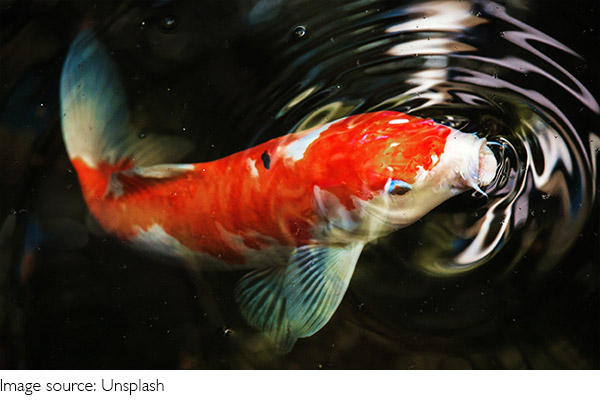
A well-maintained koi pond is the result of steady attention rather than occasional effort. When water quality, feeding habits, and seasonal care are aligned, the entire ecosystem becomes naturally stable and visually rewarding. Healthy Koi will respond with graceful movement and vivid color, turning your garden into a living, evolving artwork.