Rabbit Mouth Secrets

Ravish Kumar
| 25-05-2026
 · Animal team
Have we ever watched a rabbit quietly sitting in a corner, yet its tiny mouth keeps moving non-stop? Even when no food is nearby, those little lips still twitch again and again. Many people think rabbits are simply chewing all day, but the truth is far more interesting.
These fluffy animals have many small habits connected to their health, emotions, and daily routines. Their mouth movements are not random at all.
From eating and cleaning to exploring the world around them, every tiny motion has a purpose. Once we understand these behaviors, we can care for rabbits in a much better way and enjoy spending time with them even more.
Chewing Is a Big Part of Rabbit Life
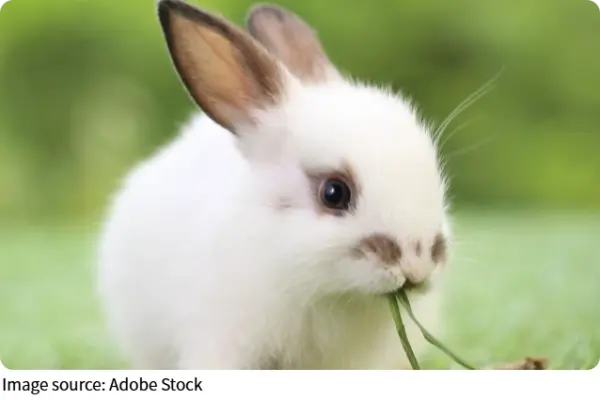
One major reason rabbits keep moving their mouths is simple: they spend a large part of the day chewing. Unlike many animals that finish meals quickly, rabbits eat slowly and frequently throughout the day.
Their favorite foods usually include grass, hay, leafy greens, and fresh vegetables. These foods contain lots of fiber, which helps support digestion. Because fiber-rich foods are tough and rough, rabbits need to chew them carefully for a long time before swallowing.
A rabbit’s teeth also grow continuously during its lifetime. Constant chewing helps keep those teeth at a healthy length. Without enough chewing activity, the teeth may become too long and create discomfort during eating.
That is why many rabbit owners provide hay all day long. Timothy hay, orchard grass, and other dry grasses help rabbits stay active while supporting dental health at the same time.
Their Digestive System Works in a Special Way
Rabbits have a very unique digestive system compared with many household animals. Their stomach and intestines are designed to process large amounts of plant material every day.
Inside the digestive tract, rabbits rely on helpful bacteria to break down fiber from grasses and vegetables. This process takes time, so rabbits often continue eating small amounts throughout the day to keep digestion moving smoothly.
Because digestion is so important, rabbits naturally develop a habit of constant nibbling and chewing. Their moving mouths are often connected to keeping this system active and balanced.
Healthy digestion also supports their energy level, fur condition, and overall comfort. A rabbit that suddenly stops eating or chewing may need attention because changes in mouth movement can sometimes signal discomfort.
Mouth Movements Help Rabbits Explore the World
Rabbits are naturally curious animals. They use their mouths almost like tiny tools to explore nearby objects and spaces.
When a rabbit finds something new, it may gently nibble, sniff, or move its lips while checking the object. This behavior helps the rabbit learn whether something is safe, edible, soft, or interesting.
For example, a rabbit may test cardboard boxes, blankets, wooden toys, or even the corners of furniture. Young rabbits are especially curious and often investigate everything around them.
This does not mean the rabbit is being “bad.” In many cases, it is simply learning about its environment through touch and chewing.
Providing safe chew toys, untreated wood pieces, paper tunnels, and hay-based toys can help direct this natural curiosity into healthy activities.
Rabbits Also Move Their Mouths While Grooming
Cleanliness is another important part of rabbit behavior. Rabbits spend a surprising amount of time grooming themselves every day.
They lick their paws, smooth their fur, and clean areas around their face and ears carefully. During grooming, the mouth keeps making tiny repeated movements that may look similar to chewing.
This routine helps remove dust and loose fur while keeping the coat soft and tidy. Rabbits living together may even groom each other as a sign of comfort and friendship.
If we watch closely, grooming rabbits often look calm and relaxed. Their slow mouth movements during cleaning are very different from fast chewing during eating time.
Small Mouth Movements Can Reflect Feelings
Rabbits are sensitive creatures, and their body language can reveal many emotions. Mouth movements sometimes change depending on how they feel.
A relaxed rabbit may gently move its mouth while resting comfortably. Some rabbits softly grind their teeth when they feel calm and content, almost like a quiet sign of happiness.
On the other hand, quick or tense mouth movements may appear when a rabbit feels nervous or startled. Loud sounds, sudden movements, or unfamiliar surroundings can make them alert immediately.
Because rabbits are naturally cautious animals, they constantly pay attention to sounds and motion nearby. Their expressions, ear positions, and mouth activity often work together to show their mood.
By spending time observing these details, we slowly learn how rabbits communicate without words.
How Can We Support Healthy Rabbit Habits?
Understanding rabbit behavior helps us create a more comfortable daily environment for them. A healthy rabbit usually has regular eating habits, active chewing behavior, bright eyes, and smooth fur.
Here are several simple ways we can support their well-being:
- Provide fresh hay every day
- Offer clean water at all times
- Include rabbit-safe vegetables in meals
- Give safe chew toys and tunnels
- Keep living spaces clean and quiet
- Allow time for exercise and exploration
Observation is also important. If a rabbit suddenly stops eating, avoids chewing, or behaves differently for a long period, it may need extra care and attention.
The Tiny Mouth Movements Tell a Bigger Story
Rabbits may look quiet at first glance, but their constant mouth movements reveal a busy and fascinating daily life. Chewing, grooming, exploring, and expressing feelings are all connected to those tiny motions we notice so often.
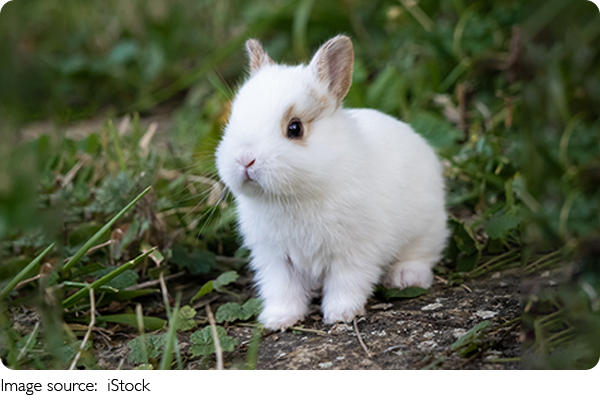
The next time we see a rabbit moving its mouth again and again, we may understand that something important is happening behind that adorable face. These little habits help rabbits stay healthy, curious, clean, and connected with the world around them.
Sometimes the smallest animal behaviors can become the most relaxing and interesting moments in our day.