Squirrel Tail Secrets
Ravish Kumar
| 29-05-2026
 · Animal team
Have you noticed how squirrels seem to move through trees so easily? They jump from branch to branch, run across narrow surfaces, and suddenly stop without losing balance.
One detail always catches our attention — their large, fluffy tails. At first glance, the tail may simply look cute or decorative, but it actually plays a huge role in a squirrel’s daily life.
Today, let’s explore the hidden purpose behind this amazing feature and discover why squirrels could hardly live the same way without it.
The Tail Works Like a Natural Balancer
One of the most important jobs of a squirrel’s tail is helping with balance. Squirrels spend much of their time high above the ground, moving quickly across branches that can be thin, slippery, or uneven. A single wrong step could send them falling.
Their long tail acts almost like a steering tool. When a squirrel jumps, the tail shifts position to help control direction and body movement in the air. While climbing, the tail keeps the body steady and helps the squirrel stay centered.
Imagine walking across a narrow beam while carrying a balancing stick. The squirrel’s tail works in a very similar way. Without it, moving through trees would become much harder and far less smooth.
This balancing ability also helps squirrels escape danger quickly. Their fast turns and sudden jumps are possible partly because the tail helps manage body movement during high-speed motion.
A Warm Cover During Cool Weather
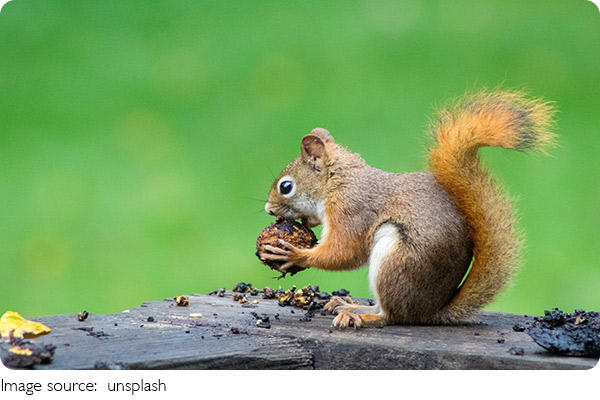
Another interesting function of the squirrel’s tail is temperature control. During chilly seasons, squirrels often curl up and wrap their tails around their bodies like a soft blanket. This fluffy covering helps trap warmth and protect them from cool air.
In forests and parks, many squirrels sleep in nests built from leaves and small branches. Their tails help create extra comfort inside these nests, especially during windy nights or rainy days.
The thick fur on the tail is especially useful because squirrels are small creatures. Small animals lose body warmth faster than larger ones, so every bit of protection matters.
Even during warm weather, the tail remains useful. Squirrels sometimes flick or wave their tails to improve airflow around the body. This simple movement can help them stay more comfortable during hot afternoons.
Squirrels Also “Talk” With Their Tails
Did you know squirrels use their tails to communicate?
Their tail movements can send messages to other squirrels nearby. A quick flick may warn others about possible danger, while a repeated waving motion may show excitement or alertness.
In many ways, the tail acts like body language. Since squirrels often live near other squirrels, clear communication helps them react quickly to changes around them.
Researchers observing squirrel behavior have noticed that tail signals are especially common when squirrels feel nervous or protective of their space. Instead of making loud sounds all the time, they can use visual signals through movement.
This silent communication system works very well in busy forest environments where quick reactions are important.
The Tail Helps During Rainy or Windy Days
The squirrel’s tail also offers support during changing weather conditions. During light rain, squirrels sometimes lift their tails over their backs like a tiny umbrella. This helps reduce direct contact with water and keeps part of the body drier.
When strong wind moves tree branches, the tail helps stabilize movement. It acts almost like a counterweight, allowing squirrels to adjust quickly as branches sway back and forth.
These small advantages make a big difference in nature. Animals survive best when their bodies match the environment around them, and squirrels are a perfect example of this connection.
A Result of Long-Term Adaptation
Scientists view the squirrel’s tail as an excellent example of natural adaptation. Over countless generations, squirrels developed features that improved their chances of surviving in forests and wooded spaces.
The large tail did not appear simply for appearance. Every part of it serves a purpose connected to movement, warmth, communication, and protection.
Different squirrel species around the world may have slightly different tail shapes or fur thickness depending on their habitat. Squirrels living in cooler areas often have fuller tails, while others in warmer regions may have slightly thinner ones.
This shows how animals gradually adapt to the places where they live.
Why Learning About Squirrels Feels So Interesting
The more we observe squirrels, the more we realize how smart and well-designed nature can be. Something as simple as a fluffy tail actually contains many survival advantages packed into one feature. Next time we spot a squirrel in a park or near trees, we may notice its movements differently. The tail is not simply following behind — it is actively helping every jump, turn, and reaction.
Small details in nature often hide the most fascinating stories.
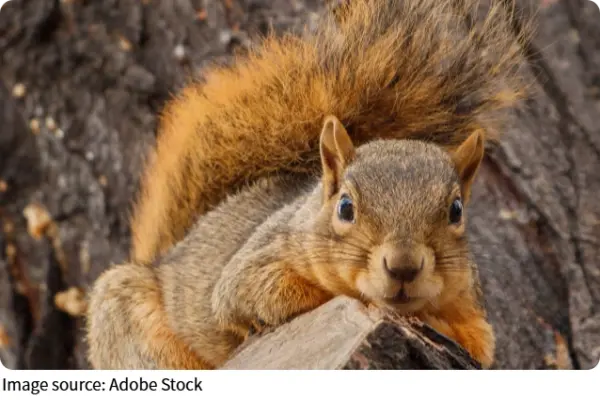
Lykkers, were you surprised that a squirrel’s tail has so many uses? From balancing in the trees to staying warm and communicating with others, this fluffy feature is far more important than many of us imagined.
Nature is full of clever designs waiting to be discovered. Sometimes, paying attention to one small detail can completely change how we see an animal. The next time we watch squirrels racing through branches, let’s take a closer look at those incredible tails and appreciate the hidden skills behind every movement. Which squirrel behavior do you find the most interesting? Let’s keep exploring the amazing world of wildlife together!