The Truth Behind Howls!

James Carter
| 04-06-2026
 · Animal team
Good day, Lykkers! Have you ever stood under a quiet night sky and imagined a wolf lifting its head toward the moon, sending out a long, haunting call? That image is powerful and almost cinematic.
Yet when we look closely at real wildlife behavior, the story of the gray wolf is even more fascinating than the myth.
In reality, their howls serve practical purposes like communication, bonding, and territory defense rather than being directed at the moon.
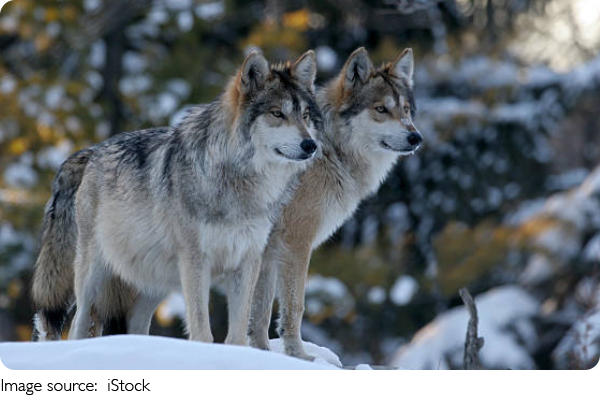
The Truth Behind “Howling at the Moon”
Despite popular belief, gray wolves do not direct their howls at the moon. The timing is coincidental rather than symbolic. Wolves are more likely to howl at night simply because sound travels farther in cooler, calmer air, and nighttime is when many pack members are most active.
A howl is not a mystical gesture but a practical form of communication. It can signal location, coordinate movement, or warn rival groups to stay away. In open forests or tundra landscapes, a single howl may carry several kilometers, allowing wolves separated by distance to stay connected without ever seeing each other.
A Language That Travels Through the Wild
Wolf communication is far more complex than sound alone. Howling is only one part of a layered system that also includes barking, growling, scent marking, and body posture.
Each wolf develops a slightly different howl pattern, almost like a vocal fingerprint. These unique tones help other pack members recognize who is calling, even before they are visible. When a wolf becomes separated, it may produce a shorter, rising “lonesome call” that helps it search for familiar responses. If the pack answers, the returning sequence becomes deeper and more steady, guiding the individual back into safe territory.
Scent marking is equally important. Wolves leave chemical signals through scent glands and other natural markings along trails, borders, and resting areas. These invisible markers help maintain territorial boundaries and reduce unnecessary confrontations with neighboring packs.
Body language adds another layer of meaning. A dominant wolf may stand tall with raised fur and direct eye contact, while a submissive individual lowers its body, avoids staring, and tucks its tail. These silent signals often prevent conflict before it begins.
Life Inside a Wolf Pack
Social structure is central to wolf survival. A typical pack may include five to eight individuals, although larger groups have been documented under certain environmental conditions. These groups usually function as extended families rather than random gatherings.
At the core of the pack is a breeding pair that leads movement and decisions, especially during hunting or when choosing resting sites. Their offspring remain with the group for varying periods, learning survival skills such as tracking, cooperation, and territory navigation.
Young wolves often explore the edges of the territory as they mature. Some eventually leave to form new packs, especially when food resources become limited or competition within the group increases. This natural dispersal helps maintain genetic diversity across populations.
Hunting Strategy and Survival Skills
Gray wolves are among the most efficient cooperative hunters in the wild. Instead of relying on speed alone, they use coordination and endurance. A pack may track prey such as deer, elk, or moose over long distances, gradually isolating weaker individuals.
During a hunt, wolves communicate through subtle body movements and short vocal cues rather than continuous noise. Some members may pursue the target directly, while others position themselves ahead to anticipate movement paths. This coordinated pressure increases success rates against large animals that would be difficult for a single predator to handle.
Their diet is flexible. While large ungulates form the primary food source in many regions, wolves also consume smaller animals like beavers, rabbits, and fish when available. In rare cases, they may supplement their diet with berries or carrion, especially during scarce seasons.
Life Through the Winter Months
Unlike many mammals in cold regions, gray wolves do not hibernate. They remain active throughout winter, often thriving in conditions that challenge other species. Snow can actually benefit wolves by slowing down prey, making hunting more effective.
The only sheltered structures they consistently use are dens, primarily for raising pups. These dens may be dug into soil banks, hidden in rocky crevices, or formed within hollow logs. They provide protection during the early, vulnerable stages of development rather than serving as seasonal shelters.
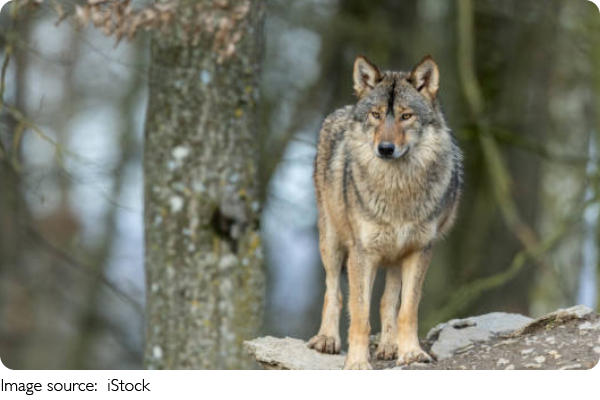
Reproduction and Pack Continuity
In most packs, only the leading breeding pair produces offspring, which helps regulate population size and reduce internal competition. Once born, pups are raised collectively by the group. Older siblings and other pack members often contribute by bringing food or guarding the den area. This shared care system increases survival rates and strengthens social bonds, ensuring the pack remains stable over time.
The world of gray wolves is not defined by moonlit myths, but by cooperation, communication, and survival intelligence. Every howl carries purpose, every movement has meaning, and every pack represents a tightly woven family navigating a challenging landscape.