Japanese Spitz Care

Finnegan Flynn
| 08-06-2026
 · Animal team
Hello, Lykkers! Bringing home a Japanese Spitz means adding a cheerful, loyal, and highly intelligent companion to your family. Known for their beautiful white coat and playful personality, these dogs thrive when they receive proper daily care and attention.
Although they are relatively low-maintenance compared to many long-haired breeds, their thick fur and active lifestyle still require a consistent routine. Regular grooming, balanced nutrition, exercise, and social interaction all play an important role in keeping them healthy and happy.
Brush the Coat the Right Way
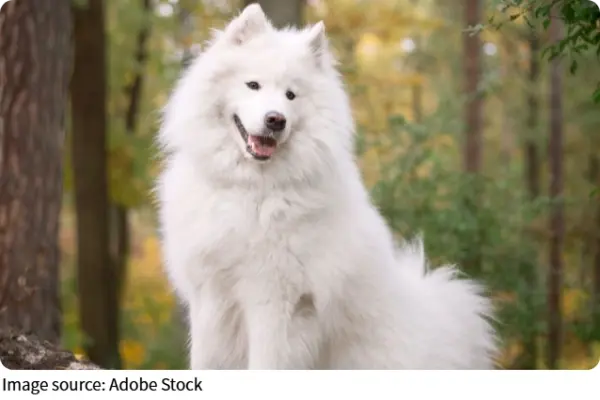
Many people assume that a Japanese Spitz needs constant grooming because of its luxurious double coat. In reality, the breed has a naturally dirt-resistant outer layer that sheds mud and dust surprisingly well. The key is consistency rather than frequency. Brushing two or three times each week helps remove loose undercoat hair and prevents mats from forming around the ears, tail, and hind legs.
During the heavy shedding seasons, which usually occur twice a year, daily brushing can significantly reduce loose fur around the house. Bathing should not be excessive. Once every six to eight weeks is usually enough unless the dog becomes particularly dirty. Using a mild dog shampoo preserves the natural oils that help keep the white coat bright and healthy.
Feed for Coat Health and Joint Support
A Japanese Spitz may not be a large breed, but nutrition has a direct effect on its appearance and overall well-being. A balanced diet rich in high-quality animal protein supports muscle maintenance, while healthy fats such as omega-3 and omega-6 fatty acids contribute to a glossy coat and healthy skin.
Portion control is equally important. Because these dogs love treats and family attention, overfeeding can quickly lead to weight gain, putting unnecessary stress on their joints. Fresh water should always be available, especially during warmer weather. Although their coat provides insulation, they can still become uncomfortable if they are dehydrated.
Keep Their Active Mind Busy
One of the most overlooked parts of Japanese Spitz care is mental stimulation. These dogs were bred as companion animals and are highly observant, often learning routines and commands faster than expected. A simple daily walk is not always enough. Puzzle feeders, hide-and-seek games, and short training sessions help prevent boredom.
Teaching new tricks for just ten minutes a day can strengthen the bond between owner and dog while keeping the dog's mind engaged. Without enough activity, a Japanese Spitz may develop habits such as excessive barking or chewing household items simply because it has unused energy.
Protect Their Teeth Early
Dental care is often ignored until problems appear, but small and medium-sized breeds are more likely to develop plaque buildup and gum disease as they age. Brushing your dog's teeth several times a week with a toothpaste designed specifically for dogs helps reduce tartar formation. Dental chews can also provide additional cleaning, though they should not replace brushing.
Regular veterinary dental checks are worthwhile because early-stage dental disease can be difficult to notice at home. Healthy teeth do more than protect the mouth—they also reduce the risk of bacteria affecting other organs.
Watch Out for Heat
The Japanese Spitz developed a thick double coat to regulate body temperature, but hot and humid conditions can still become challenging. During summer or particularly warm days, schedule walks in the early morning or evening when temperatures are lower. Always provide access to shade and cool drinking water.
Never shave the coat completely, as the double coat actually helps insulate the dog from heat while protecting the skin from direct sunlight. Signs such as excessive panting, weakness, or drooling may indicate overheating and should never be ignored.
Socialization Builds a Confident Dog
Japanese Spitz dogs are naturally affectionate and usually get along well with children and other pets. However, early social experiences help them become more adaptable in unfamiliar situations. Introducing your puppy to different people, sounds, and environments during its first months encourages confidence.
Visits to parks, meeting friendly dogs, and experiencing everyday household noises can reduce anxiety later in life. Positive reinforcement works especially well with this breed. Rewarding calm and desired behavior with praise or small treats is generally more effective than punishment.
Schedule Regular Health Checks
Although the Japanese Spitz is considered a generally healthy breed, routine veterinary visits remain essential. Annual examinations allow early detection of common concerns such as dental disease, kneecap instability, or eye conditions that can occasionally occur in small companion breeds.
Keeping vaccinations current and maintaining parasite prevention for fleas, ticks, and worms also protects your dog from avoidable health issues. Monitoring changes in appetite, energy level, or behavior can help identify problems before they become serious.

Caring for a Japanese Spitz is less about complicated routines and more about paying attention to the details that matter. Regular brushing, balanced nutrition, mental challenges, dental care, and protection from excessive heat all work together to keep this lively companion healthy and comfortable.