How Auto Parking Works

Mason O'Donnell
| 26-06-2026
 · Automobile team
Have you ever been in a tight parking spot, sweating while trying to squeeze your car into a small space?
It's a common scenario, and one that automakers have been tackling with innovative solutions.
Auto-parking technology, or autonomous parking, is becoming a reality, allowing cars to park themselves with little to no input from the driver. But how does this seemingly magic trick work? Let's break it down.
What is Auto-Parking Technology?
Auto-parking technology allows a car to park itself without the driver manually controlling the vehicle. Whether it's parallel parking, perpendicular parking, or simply moving into a tight spot, the car can do it autonomously. This technology uses sensors, cameras, and advanced algorithms to detect the environment around the vehicle and make decisions based on real-time data.
It's like having a personal valet at your disposal. You can simply press a button or use your smartphone to activate the system, and the car takes over the task of parking. This eliminates the stress and hassle of parking in crowded lots or tricky spots.
Actionable Tip: If you're in the market for a new car, consider checking whether the model you're interested in comes with auto-parking features. Many luxury brands offer this feature, and it's becoming more accessible in mid-range models too.
The Role of Sensors and Cameras
The heart of auto-parking systems lies in the sensors and cameras that surround the vehicle. These sensors include ultrasonic sensors, radar, and cameras that continuously scan the area around the car. Each type of sensor plays a unique role in the system:
Ultrasonic Sensors: These are typically used to measure the distance between the car and nearby objects, such as other vehicles or curbs. They emit sound waves that bounce off objects and return, allowing the car to calculate the proximity of obstacles.
Radar Sensors: Radar is used to detect moving objects around the car, such as pedestrians or other cars. It helps the system navigate more safely, especially in complex environments.
Cameras: Cameras provide a visual image of the surroundings. These images are processed by the car's computer to detect and recognize obstacles, markings, and parking spaces.
All of these sensors work together, creating a comprehensive 360-degree view around the vehicle. This is key for the car to make real-time decisions on where and how to park.
Actionable Tip: Make sure your vehicle's parking system includes a combination of ultrasonic sensors and cameras for the most accurate results. This will give you a broader and more precise understanding of your surroundings.
Algorithms and Data Processing
While sensors and cameras gather all the necessary data, the car's brain—its onboard computer—needs to process this data and make decisions. This is where algorithms come into play.
Algorithms are essentially sets of rules that the car uses to process the information gathered from the sensors and cameras. The system maps out a route to park the car based on the parking space's size and the obstacles detected. The car's computer continuously adjusts the parking process to avoid collisions, ensuring the vehicle parks safely.
For example, when the system detects a parking space, the algorithm calculates the necessary steering angles, speed, and braking power required to park in that spot. It then executes those instructions automatically, leaving the driver to simply sit back and watch.
Actionable Tip: For better performance, look for cars with advanced algorithms that continuously learn and adapt to different parking situations. Some systems improve over time, becoming more efficient with each use.
The Process of Parking
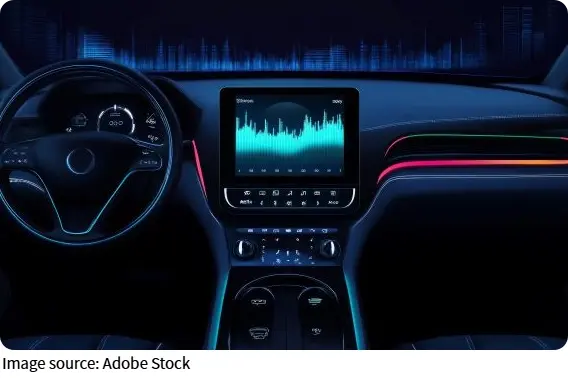
Now that we know the tech behind it, let's walk through the actual process of auto-parking. Here's how the system works from start to finish:
Detecting the Space: The first step is detecting an available parking spot. This is usually done by the car driving slowly along a row of parked cars or through a parking lot. The sensors will scan for suitable spaces.
Engaging the System: Once a space is found, the driver can activate the auto-parking feature. The system may prompt the driver to switch the car into a specific mode, like reverse or drive, depending on the type of parking.
Manual or Full Auto Mode: In some cars, the driver still has to control the throttle and brakes, while the system controls steering. In others, the car handles everything. The system uses real-time data to adjust the steering angles, brakes, and speed to ensure the car parks correctly.
Parking the Car: The car continues adjusting its position until it's fully parked in the space. The system will stop once the car is securely in place, and the driver may receive a notification that parking is complete.
This process is seamless and takes only a few seconds, offering a stress-free experience for drivers.
Actionable Tip: If you're nervous about auto-parking for the first time, start practicing in empty parking lots or wide spaces. Familiarizing yourself with the system will help you trust it more when parking in real-world situations.
The Future of Auto-Parking
Auto-parking technology is only the beginning. The future looks even more promising with the development of fully autonomous vehicles that won't just park themselves—they'll drive themselves to the parking space without any human input. This could be especially useful in crowded areas or when parking is scarce, as the car could find and park in a space without you having to wait for it.
Additionally, as the infrastructure for self-driving cars improves, expect parking lots and garages to be designed with autonomous vehicles in mind. This might include smart parking systems that allow cars to find and park in the best available spot, or even shared parking areas for multiple cars.
Actionable Tip: Stay updated on the latest advancements in autonomous driving and parking technology. The features that are just emerging now could be commonplace in the near future.
Is Auto-Parking Worth It?
You might be wondering if auto-parking technology is really worth it. The answer depends on your driving habits and needs. If you frequently struggle with parking in tight spaces, or if you simply want to add a layer of convenience to your daily routine, auto-parking technology can be a game-changer.
On the other hand, if you don't mind parking manually and don't need the extra help, you might not find it as essential. However, with the ongoing development of autonomous features, it's likely that auto-parking will eventually be a standard in most cars, making it a feature to consider even if you're not sure about it now.
Actionable Tip: If you're uncertain, test out auto-parking in a car before making a decision. Many dealerships offer test drives with these features, allowing you to experience the technology firsthand before committing.
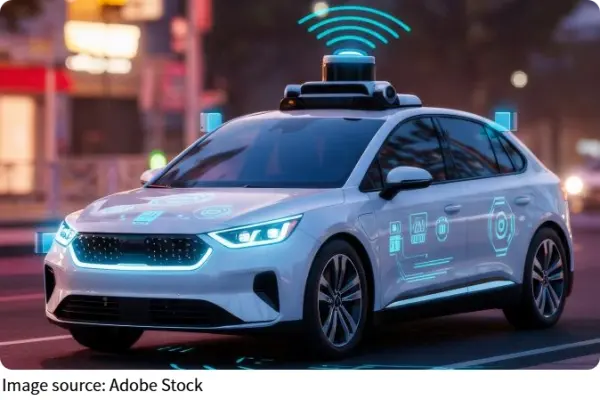
Auto-parking technology is more than just a luxury—it's a glimpse into the future of driving. By combining sensors, cameras, and intelligent algorithms, cars can park themselves with precision and ease. As the technology evolves, it promises to make parking even more efficient and accessible, leaving drivers with one less thing to worry about.