Night Moves of Bears

Declan Kennedy
| 29-06-2026
 · Animal team
What's up, Lykkers! Have you ever wondered what happens in the forest after sunset when many animals become difficult to spot? Although bears are often seen during the day, some of their most interesting activities take place at night.
From searching for food to covering long distances, these powerful mammals rely on darkness in ways that continue to surprise researchers. Wildlife studies have shown that nighttime behavior plays an important role in how bears survive and adapt to their environment.
Bears Are Not Strictly Nighttime Animals
Unlike owls or bats, bears are not true nocturnal creatures. Wildlife biologists describe them as highly adaptable animals that can be active during both day and night depending on conditions around them. Studies using GPS collars have shown that bears often increase their activity during dawn and dusk. However, this pattern changes when human activity becomes more common.
In regions with busy hiking trails, roads, or residential development, bears frequently shift much of their movement to nighttime hours. This adjustment reduces the chances of direct encounters with people while allowing access to feeding areas that may be crowded during daylight. This flexibility is one reason bears have managed to persist across a wide range of habitats despite expanding human populations.
What Does "Hunting" Mean for a Bear?
The word "hunting" can create the image of a predator chasing prey across a landscape. Bears operate differently. Most bear species are opportunistic feeders. Their diet includes berries, nuts, roots, insects, fish, carrion, and occasionally live prey. Rather than relying entirely on pursuit, they take advantage of whatever food source is available.
At night, bears may search for rodents hidden underground, investigate bird nesting sites, catch fish in shallow streams, or locate animal carcasses through scent. Young deer and elk can also become targets when opportunities arise, especially during spring when newborn animals are most vulnerable.
Their approach is less about specialized predation and more about efficiency. Every feeding opportunity is evaluated according to the amount of energy it provides compared to the effort required.
Nighttime Strategies Vary by Species
Different bear species display distinct patterns after dark.
Black Bears
Among North American bears, black bears show the strongest tendency toward nighttime activity. In areas influenced by human development, many become significantly more active after sunset.
Their excellent sense of smell allows them to locate insects, small mammals, fruits, and other food sources even when visibility is limited. Black bears are particularly successful at adjusting their schedules to avoid people, which explains why they are often detected on security cameras during nighttime hours.
Brown Bears and Grizzlies
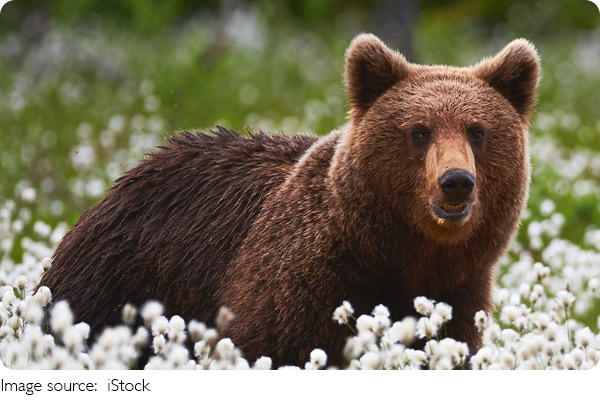
Brown bears, including grizzlies, usually remain most active during dawn and dusk. Nevertheless, they readily extend feeding activity into the night when food is abundant. Salmon streams, berry patches, and calving grounds can attract these bears long after sunset. Their tremendous strength allows them to tackle larger prey than black bears, and darkness rarely limits their effectiveness.
Polar Bears
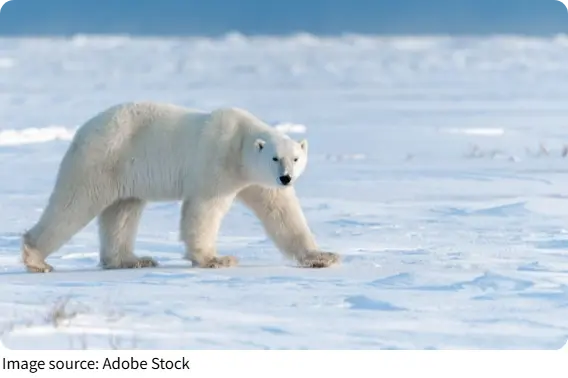
Life in the Arctic presents unique challenges. Seasonal periods of continuous daylight and extended darkness mean polar bears cannot depend on a typical day-night schedule. During dark winter months, they continue searching for seals across sea ice, relying heavily on scent and hearing. Research indicates that their hunting success remains remarkably consistent regardless of light conditions.
The Senses That Make Night Activity Possible
Bears possess an impressive collection of sensory abilities that compensate for low-light conditions. Their vision is adapted to dim environments. A reflective layer behind the retina helps maximize available light, allowing them to detect movement more effectively than humans during darkness.
Even more impressive is their sense of smell. Scientists consider it among the most powerful in the mammal world. Air currents carrying food odors can be detected from astonishing distances, guiding bears toward feeding opportunities that would remain completely unnoticed by people.
Hearing also contributes significantly. Subtle sounds produced by moving prey, rustling vegetation, or flowing water provide valuable information about the surrounding environment. Together, these abilities create a detailed sensory picture that allows bears to move confidently through forests, mountains, and tundra after sunset.
Why Human Activity Creates More Nighttime Bears
One of the most important discoveries in modern bear research is the effect of human presence on daily activity patterns. When bears encounter frequent human disturbance, they often respond by becoming more active at night. This behavioral adjustment reduces stress and lowers the risk of dangerous interactions.
While the strategy helps bears coexist with people, it also creates new challenges. Garbage containers, pet food, agricultural crops, and other human-related food sources become especially attractive after dark when fewer people are present. Wildlife managers consistently emphasize that secure food storage remains one of the most effective ways to prevent conflicts. Once a bear learns to associate neighborhoods or campsites with easy meals, the behavior can become difficult to reverse.
Seasonal Changes Influence Night Behavior
The time of year strongly influences how active bears become after dark. One of the most significant periods occurs before winter denning. During late summer and autumn, bears enter a phase known as hyperphagia, a period of intense feeding during which they consume large amounts of food to build the energy reserves needed to survive the months ahead.
During this time, individuals may spend nearly the entire day searching for calories. Feeding often continues well into the night, especially when valuable food sources are abundant. Hot weather can also encourage increased nighttime movement. Cooler temperatures reduce energy expenditure and make long-distance travel more efficient, particularly during summer months.
Bears demonstrate an extraordinary ability to adjust their behavior to changing conditions. Rather than following a rigid schedule, they continuously respond to food availability, weather, competition, and human activity. Understanding these behaviors helps us appreciate how adaptable these remarkable animals truly are.