Why Red Pandas High-Step

Kwame Johnson
| 24-06-2026
 · Animal team
Hi, Readers! A red panda walking can look like it borrowed a pair of invisible stilts and decided to parade through the forest with maximum drama.
That adorable high-stepping look is not just for show. It comes from a bundle of body features that help this small tree-dweller stay balanced, move through branches, and handle life in cool mountain forests.
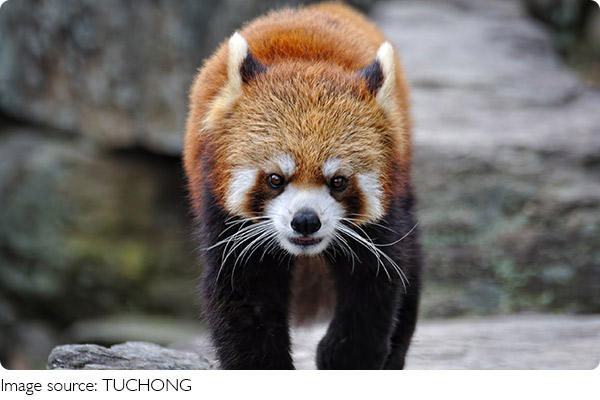
The red panda is a small mammal native to the eastern Himalayas and southwestern regions of Asia. It has reddish-brown fur, a long shaggy tail, and a body built for climbing. It is about the size of a house cat, but its tail adds a lot of visual flair and useful function.
When it walks, especially on the ground, its legs can seem careful and lifted, almost like it is placing each foot with extra thought. That look comes from how its limbs, paws, joints, and balance system work together.
Built for branches
Red pandas spend much of their time in trees, and their bodies reflect that lifestyle. Their limbs are sturdy and flexible enough for climbing, while their curved, semi-retractable claws help them grip bark and branches. On uneven surfaces, a careful, lifted gait is a practical choice. Instead of moving like a flat-out sprinter, a red panda often steps with precision, like someone crossing a room full of toy bricks and trying not to regret every life choice.
Their ankle structure is especially helpful for climbing down trees headfirst. This ability means the hind feet and joints can rotate in ways that support controlled movement. That same setup can make their walk on the ground look a bit unusual, because the body is not designed mainly for smooth, long-distance ground travel. It is tuned for climbing and balance first.
Paws like fuzzy winter gloves
Another big piece of the puzzle is the red panda’s feet. The soles are covered with dense fur, which helps insulate them from cold surfaces and gives grip on wet branches. Those furry soles can also soften the look of each step, making the animal seem even more dainty and deliberate as it moves. Add in strong claws and flexible joints, and you get a walking style that looks cautious, springy, and slightly theatrical.
Red pandas also have a false thumb, an extended wrist structure that helps them grasp bamboo and branches. This does not directly create the stilt-like walk, but it is part of the same climbing toolkit. Their whole front limb setup is like a multitool disguised as a plush toy.
Tail as a balancing tool
That famous ringed tail is not just decoration. It helps with balance while climbing and moving along narrow perches. When an animal relies heavily on balance, its walking style often looks more measured. The red panda’s tail acts a bit like a tightrope pole, helping shift weight and stabilize the body. So when it steps high and carefully, the tail is part of the backstage crew making the performance possible.
In cold weather, the tail also serves as a wrap for warmth while resting. That means it is both a balancing aid and a cozy blanket, which is frankly an impressive career combination for one fluffy appendage.
Why the walk looks so cute
Part of the charm comes from contrast. Red pandas have rounded faces, fluffy coats, and expressive markings, so any careful movement looks extra animated. Their relatively short body, sturdy legs, and deliberate foot placement create that toy-like, high-step effect people notice right away. What seems like comedy is really smart design for an arboreal life.
They are not built like fast ground runners. They are specialists that move between trunks and branches, rest in trees, and feed largely on bamboo along with other foods. A ground walk that looks a little quirky is simply the side effect of a body shaped by climbing, gripping, balancing, and staying warm in cool habitats.
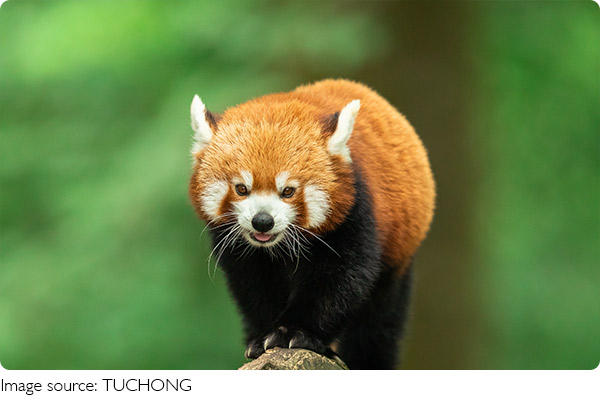
So, why do red pandas walk like they are testing out tiny stilts? Because their bodies are engineered for tree life, not runway striding. Flexible joints, furry feet, gripping claws, a balancing tail, and climbing-friendly limbs all team up to create that signature walk.
The next time you see one stepping around with that careful little bounce, you are not just looking at something cute. You are watching a wonderfully specialized animal using a body built for life above the forest floor.