Death Valley Guide

Luca
| 30-06-2026
 · Travel team
Hi, Readers! Death Valley National Park is the kind of place that looks like another planet decided to borrow California and Nevada for the weekend.
It is huge, dramatic, and full of extremes, from vast salt flats and colorful badlands to high peaks and dark night skies. If you are planning a trip, this park rewards a little preparation in a big way.
Distances are long, services are limited, and the weather can be intense, but that is exactly what makes the experience feel so epic.
Death Valley National Park
Getting There
Death Valley National Park stretches across eastern California and Nevada, and it is most often reached by car. Driving is the main way to explore because viewpoints and trailheads are spread far apart like cookies on an extra large baking sheet. From Las Vegas, the drive to the Furnace Creek area usually takes about 2 to 2.5 hours. From Los Angeles, it often takes around 4.5 to 5.5 hours depending on traffic and your route.
There is no convenient in-park public transit, so having your own vehicle is the practical choice. Fill your fuel tank before entering and keep an eye on your range, because services are limited and distances inside the park are no joke.
Entrance Fees And Hours
The park is open all day, every day, so you can roll in for sunrise, sunset, or a star-filled evening. Entrance fees are typically charged per vehicle, motorcycle, or person entering on foot or bicycle. A standard private vehicle pass is usually about $30 and is valid for several days. A motorcycle pass is around $25, and an individual entry is about $15.
If you plan to visit several national parks, an annual America the Beautiful pass at about $80 can be a smart deal. Since fees and temporary closures can change, it is wise to check the official National Park Service page before you go.
Top Places To See
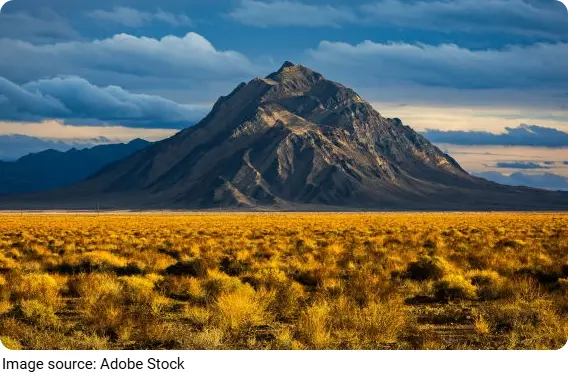
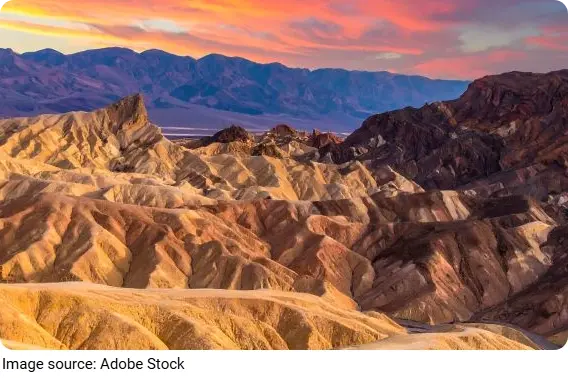
Furnace Creek is the park’s main hub and a handy starting point for maps, information, fuel, food, and lodging. Badwater Basin is one of the most famous stops, known for its giant salt flats and striking basin views. Zabriskie Point serves up one of those scenes that makes your camera work overtime, with golden, rippled hills that glow especially well in early and late light.
Mesquite Flat Sand Dunes offers classic dune scenery and a fun place to wander, while Artist’s Palette is known for hills splashed with mineral colors that look like nature got carried away with a paint set. Dante’s View gives a sweeping look over the valley floor from high above, which really drives home how massive this landscape is.
Weather And Safety
This park is famous for extreme heat, especially in summer, so timing matters. Cooler months are generally more comfortable for hiking and sightseeing. Bring plenty of water, snacks, sun protection, and a fully charged phone, but do not count on consistent cell service. Let someone know your plans if you are heading into remote areas.
Stay on marked roads where required, and never underestimate how quickly conditions can wear you out. Death Valley is beautiful, but it does not play around. Think of it like a gorgeous oven with mountain views.
Where To Stay
There are several lodging and camping options in and around the park. Furnace Creek has the most convenient services, including hotel stays and campgrounds. The Ranch at Death Valley is a popular in-park option, and room prices often start around $200 per night depending on season and availability. The Inn at Death Valley is a more upscale stay, with rates commonly starting around $300 or more per night.
Campgrounds inside the park can be much cheaper, often ranging from about $16 to $36 per night depending on the site and season. Outside the park, places like Beatty, Pahrump, and Lone Pine offer more accommodation choices, with budget motel rooms often starting around $80 to $150 per night.
Tips For A Better Visit
Start early if you want gentler temperatures and softer light for photos. Download maps before entering because signal can be unreliable. Keep extra water in the car, wear sturdy shoes, and give yourself more driving time than you think you need. This park is enormous, so trying to cram everything into one day is like trying to read a giant novel during a coffee break. Pick a few major stops and enjoy them properly instead.
Death Valley National Park is not your average park visit. It is bigger, harsher, quieter, and somehow more mesmerizing because of it. If you go prepared, drive carefully, and give yourself time to slow down, you will get a trip full of unforgettable views and stories worth retelling. If this wild landscape is on your list, take the hint and start planning.